As the global energy landscape shifts, the Sodium Ion Deep Cycle Battery emerges as a promising alternative. This battery technology is gaining attention for its potential to enhance energy storage systems. John Smith, a leading expert in battery technology, stated, "Sodium ion batteries could revolutionize how we store and use energy."
Recent trends indicate that these batteries may soon outpace lithium-ion batteries in certain applications. This shift is driven by their abundance and cost-effectiveness. The implications of this technology are significant for global buyers seeking reliable energy sources.
Despite the benefits, challenges remain. The performance and longevity of Sodium Ion Deep Cycle Batteries must improve. Ongoing research is crucial to address these concerns. Industries are eager but cautious, as the market evolves. The future of energy storage is on the horizon.
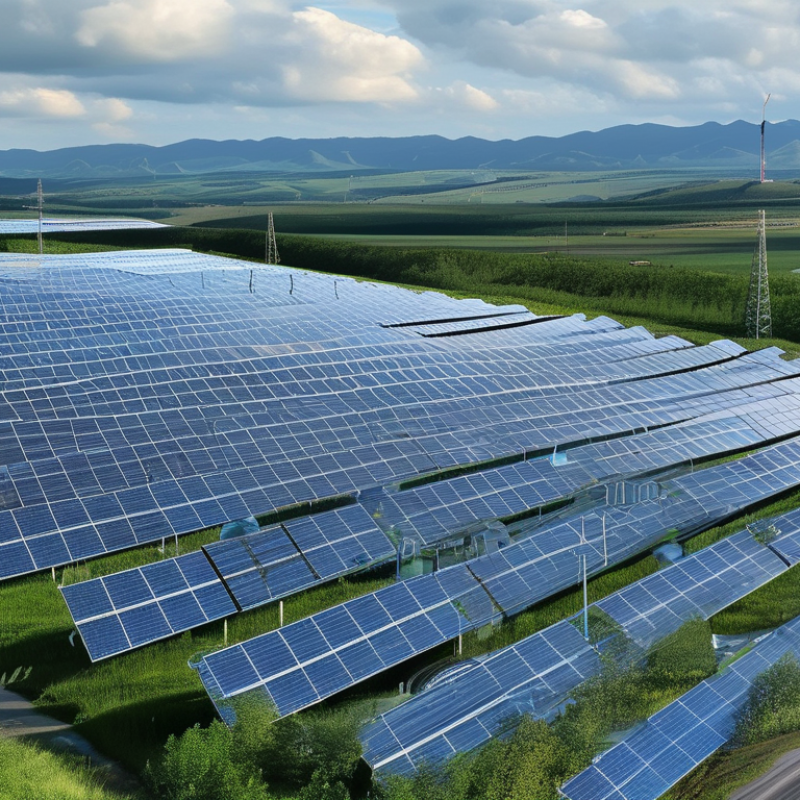
As the world shifts toward sustainable energy, sodium-ion batteries are gaining traction. A recent report by IDTechEx highlights that the sodium-ion market will exceed $1 billion by 2026. This growth is driven by the abundance of sodium compared to lithium. Sodium is cheaper and more sustainable, making it appealing for long-term energy solutions.
Emerging innovations focus on improving energy density and cycle life. Research indicates that new cathode materials can enhance performance significantly. Some prototypes are now achieving energy densities above 150 Wh/kg. At the same time, researchers are experimenting with electrolyte formulations to boost stability and lifespan. Challenges remain, such as lower efficiency in cold climates, which researchers are actively addressing.
Developments in manufacturing techniques are also noteworthy. These advancements could reduce production costs and improve scalability. Companies are exploring new cell designs to maximize performance while minimizing material usage. Even with promising advancements, many experts express the need for continued research. Optimizing sodium-ion technologies will require overcoming existing limitations.
| Trend | Description | Expected Impact | Market Growth (%) |
|---|---|---|---|
| Increased Energy Density | Developments aimed at improving energy density, enhancing battery efficiency. | Higher efficiency in energy storage for renewable sources. | 15% |
| Cost Reduction Techniques | Innovations reducing materials and production costs, making sodium-ion cheaper. | Wider adoption in various industries. | 20% |
| Sustainability Focus | Moving towards greener sourcing of materials used in sodium-ion batteries. | Enhanced public perception and regulatory support. | 10% |
| Integration with Smart Grids | Better integration of sodium-ion batteries into smart energy networks. | Improved reliability and performance of energy systems. | 25% |
| Longer Lifespan Technologies | Technological advancements to enhance cycle life of batteries. | Lower replacement costs and better value for consumers. | 12% |
: Sodium-ion batteries are energy storage devices using sodium instead of lithium. They are regarded as more sustainable.
Sodium is abundant and cheaper than lithium. This accessibility makes sodium-ion batteries an attractive alternative.
Some prototypes achieve energy densities above 150 Wh/kg. This marks a significant improvement in performance.
They have lower efficiency in cold climates. Researchers are working to improve performance in such conditions.
They lower greenhouse gas emissions and have a lower carbon footprint compared to lithium mining processes.
New manufacturing methods aim to reduce costs and improve scalability. This may help meet growing market demands.
The sodium-ion battery market is expanding. Analysts predict significant growth as demand for eco-friendly energy rises.
Sodium-ion batteries can endure more charge and discharge cycles without degrading. This leads to less waste.
Yes, sodium-ion batteries still need refinement to match lithium-ion in performance and charging speeds.
By staying informed and engaging in discussions about sustainable technologies. Awareness can guide better consumer choices.
The article titled "2026 Top Sodium Ion Deep Cycle Battery Trends for Global Buyers" explores significant advancements and market dynamics surrounding Sodium Ion Deep Cycle Batteries. It highlights emerging innovations that are set to shape the landscape in 2026, addressing the increasing demand and growth projections for this technology. A comparative analysis between Sodium Ion and Lithium Ion batteries is provided, showcasing their respective advantages and disadvantages.
Furthermore, the article delves into the environmental impact and sustainability aspects of Sodium Ion technology, emphasizing its potential as a greener alternative in the battery sector. Finally, it outlines the competitive landscape, identifying key players and market strategies that are pivotal for stakeholders and global buyers in navigating the evolving Sodium Ion battery market.

 Lithmate