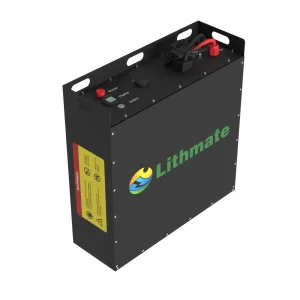
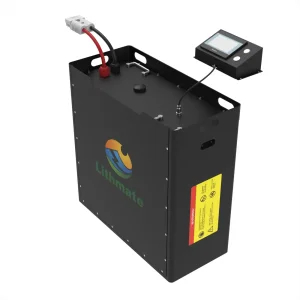
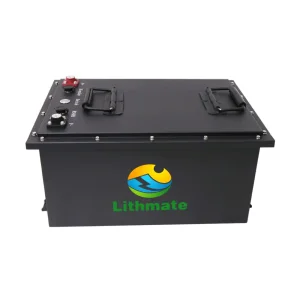
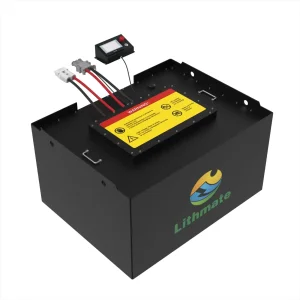
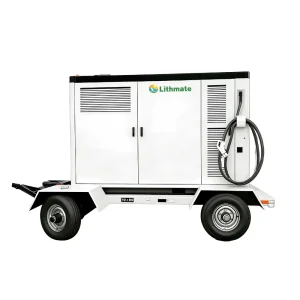
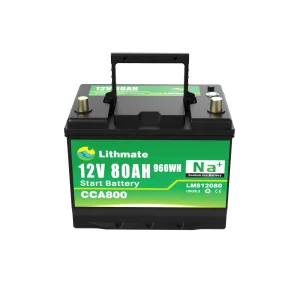
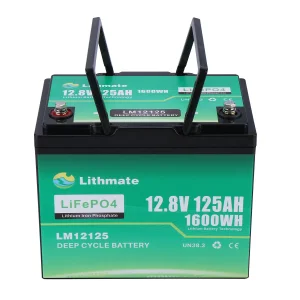
The global mobility landscape is undergoing a paradigm shift. As industries pivot from traditional lead-acid systems to lithium-ion technology, the 48V architecture has emerged as the global standard for light electric vehicles (LEVs), industrial AGVs, and modern golf carts. This transition is not merely about energy storage; it is about optimizing the Total Cost of Ownership (TCO), enhancing operational uptime, and integrating smart Battery Management Systems (BMS) that provide real-time data analytics.
In 2024, the demand for 48V mobility vehicle batteries is projected to grow by 22% annually. Manufacturers are no longer just "suppliers"—they are strategic partners in the energy supply chain. Leading companies like Lithmate New Energy Co., Ltd. are at the forefront, utilizing EVE and CATL cells to ensure that the "heart" of the vehicle is both reliable and safe.
The 48V system offers a "sweet spot" in electrical engineering—it provides enough power for heavy-duty mobility (up to 5000 lbs vehicles) while remaining below the high-voltage safety thresholds (typically 60V DC) that require specialized, expensive insulation and safety certifications. This makes 48V the preferred choice for Material Handling Equipment (MHE), Aerial Work Platforms (AWP), and Last-Mile Delivery Vehicles.
Currently, the market is bifurcated into two primary segments: standard consumer mobility (Golf Carts, LSVs) and specialized industrial mobility (AGVs, Forklifts). The industrial sector demands high discharge rates and rapid charging (1C or higher), whereas the consumer sector prioritizes energy density and cycle life. Lithmate addresses both through custom BMS configurations and robust structural designs.
Huizhou and the surrounding Greater Bay Area serve as the global epicenter for lithium battery production. By being geographically close to cell giants like CATL and EVE, Lithmate ensures a consistent supply of A-grade cells with zero latency, reducing costs by 15-20% compared to Western manufacturers.
Lithmate's facility features fully automated and semi-automated production lines. Automation ensures cell matching (voltage, capacity, internal resistance) is performed with 99.9% accuracy, which is critical for the longevity of a 48V pack.
With over 16 years of experience, the speed of prototyping in China is unmatched. A custom 48V mobility solution can move from concept to functional sample in as little as 3-4 weeks, ensuring global clients can respond to market changes instantly.
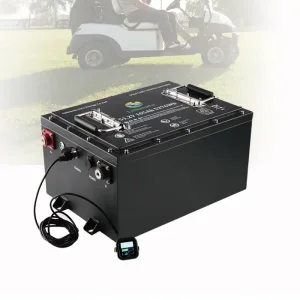
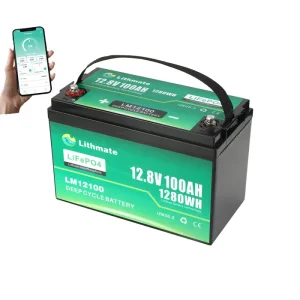
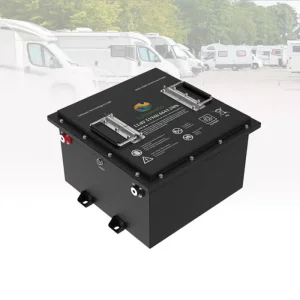
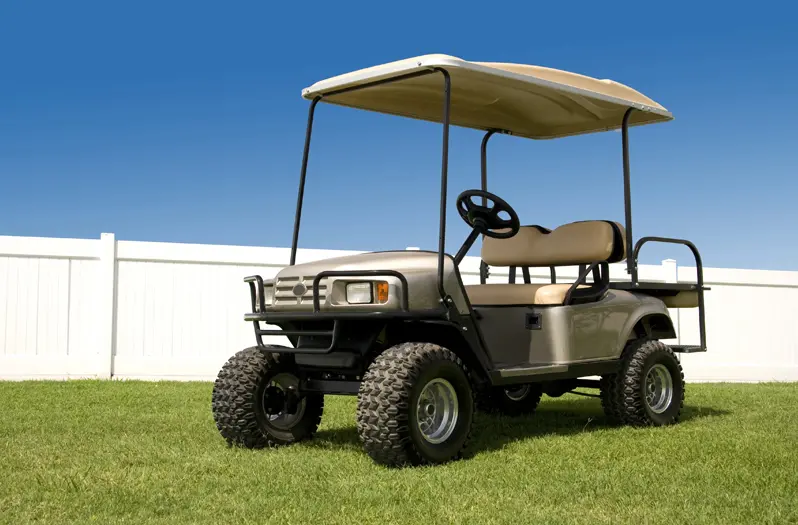
In North America and Southeast Asia, 48V LiFePO4 batteries are replacing lead-acid in golf cart fleets. The benefits include a 300lb weight reduction, zero maintenance, and the ability to play 3+ rounds of golf on a single charge. Lithmate’s 48V 105Ah series is specifically engineered for high-torque starts and hill climbing.
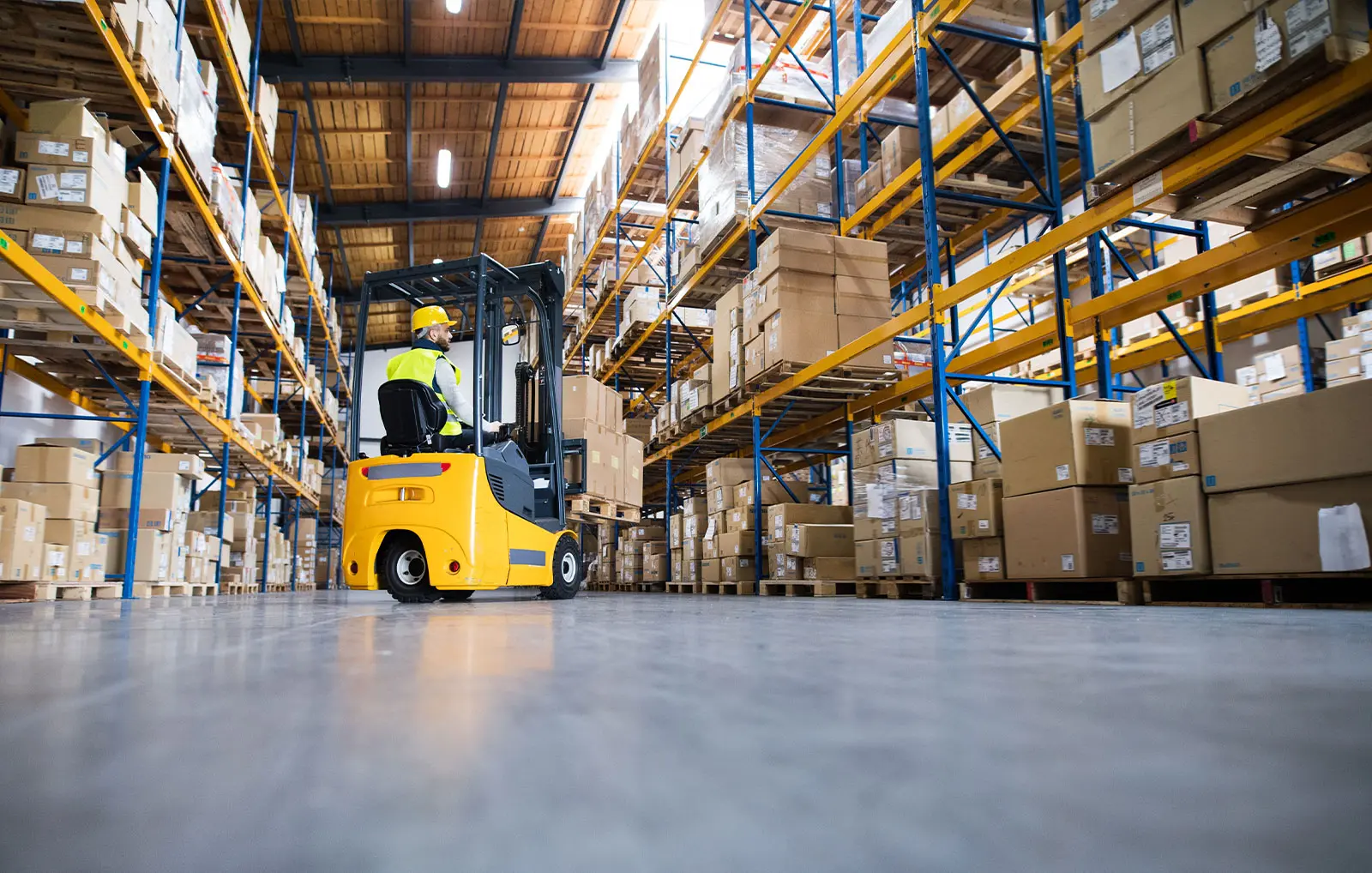
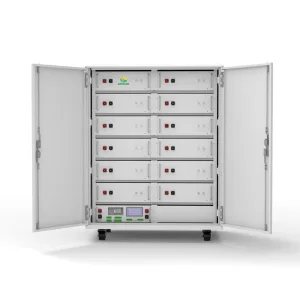
In European logistics hubs, AGVs operate 24/7. Our batteries support opportunity charging, allowing vehicles to charge during short breaks without memory effects. The integrated CANbus communication allows the warehouse management system to monitor battery health remotely.
For marine applications, durability is paramount. Our 48V solutions are housed in IP67-rated enclosures, protecting against saltwater corrosion and vibration. From electric trolling motors to house power for yachts, our LiFePO4 chemistry provides a stable voltage curve, ensuring electronics run efficiently.

When sourcing 48V mobility vehicle batteries, global procurement managers focus on three pillars: Compliance, Scalability, and Technical Support. Lithmate satisfies these through:
A typical lead-acid battery lasts 300-500 cycles (about 2 years). A Lithmate LiFePO4 battery provides 4,000 to 6,000 cycles at 80% DOD, effectively lasting 10+ years in most mobility applications.
Yes, our batteries are "Drop-in Ready." However, you must ensure the motor controller can handle the voltage range of lithium and use a lithium-compatible charger to prevent damage.
Tier-1 cells offer higher energy density, better thermal stability, and lower internal resistance. This means the battery stays cooler under heavy load and provides more consistent power throughout the discharge cycle.
Our BMS provides over-charge, over-discharge, over-current, short-circuit, and thermal protection. For industrial applications, we also include fire-suppressant materials and high-impact casings.
Standard models are usually ready in 2 weeks. Custom OEM projects (including custom casing or specific BMS protocols) typically take 3-4 weeks from design approval to delivery.
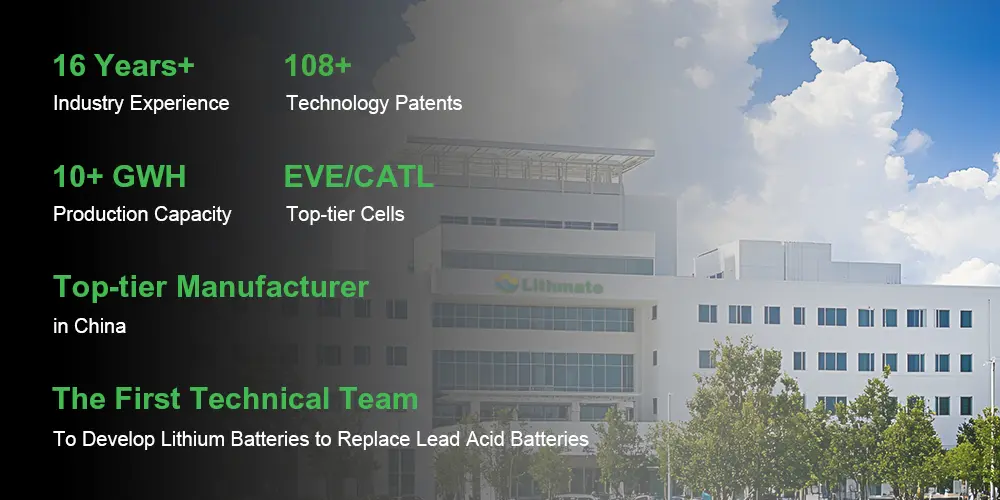
As a professional lithium battery manufacturer, Lithmate operates in full compliance with ISO 9001 standards. Our factory is equipped with advanced R&D laboratories and automatic testing systems to ensure every 48V pack meets CE, UL, and UN38.3 requirements. We are not just making batteries; we are powering the future of mobility through innovation, partnering with global universities and top-tier cell providers like CATL and EVE.
 Lithmate