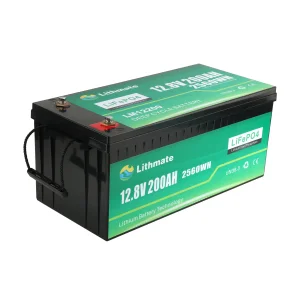
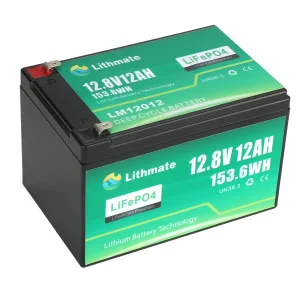
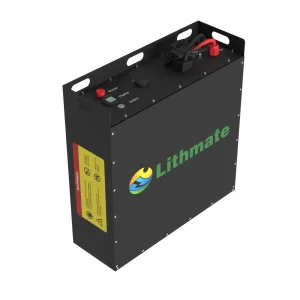
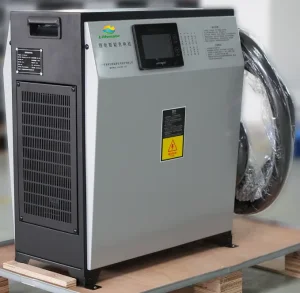
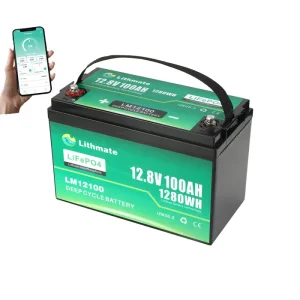
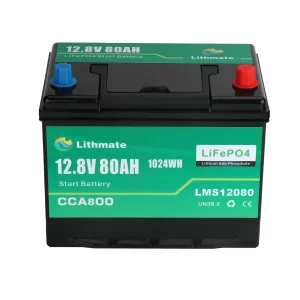
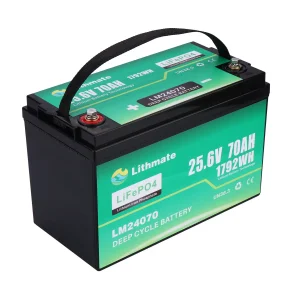
The maritime industry is undergoing a historic transition from fossil-fuel reliance and heavy lead-acid configurations to high-density 36V LiFePO4 (Lithium Iron Phosphate) systems. As a leading manufacturer, we explore why 36V has become the "sweet spot" for modern trolling motors and electric propulsion.
 Industrial & Commercial Status
Globally, the demand for 36V marine lithium batteries is surging at a CAGR of over 18%. This growth is driven by the professional angling sector and the electrification of coastal commercial vessels. The 36V architecture offers a superior balance: higher voltage reduces current (Amps), which minimizes heat and allows for thinner wiring compared to 12V systems, while remaining safer and more manageable than high-voltage 400V EV systems.
Manufacturers are now focusing on "Energy Density Gain"—packing more amp-hours into the same footprint to extend range without compromising vessel buoyancy.
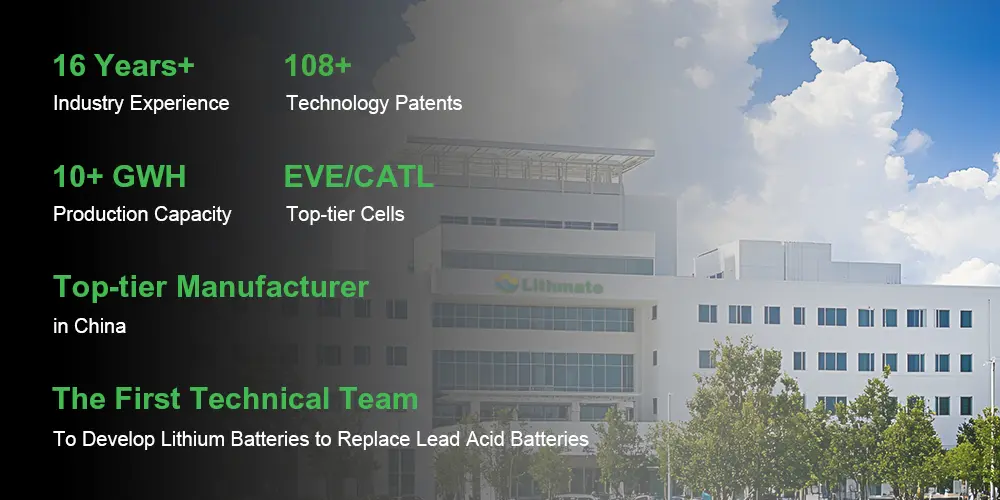

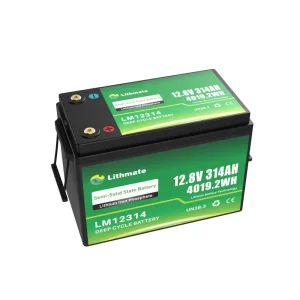
At Lithmate, we utilize cells from EVE and CATL. Access to these top-tier Tier-1 cells ensures our 36V marine batteries maintain 80% capacity even after 4,000 to 6,000 deep cycles.

Our factory operates under ISO 9001 standards. Every 36V unit is certified with UL, CE, UN38.3, and RoHS, ensuring safe transit and operation across all international waters.

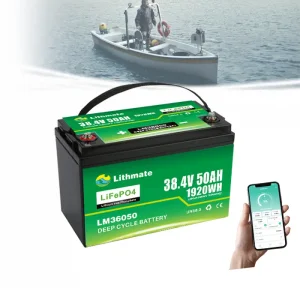
We provide full-spectrum tailoring: custom BMS parameters for high-torque trolling motors, IP67 waterproof casings, and integrated Bluetooth monitoring for real-time SoC data.
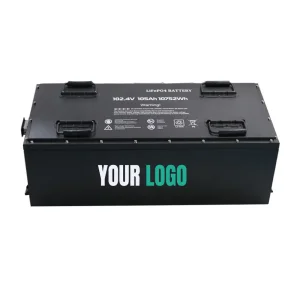
A true marine-grade 36V LiFePO4 battery is more than just cells in a box. It requires a sophisticated Battery Management System (BMS) designed to handle the instantaneous current spikes of a trolling motor fighting heavy currents.

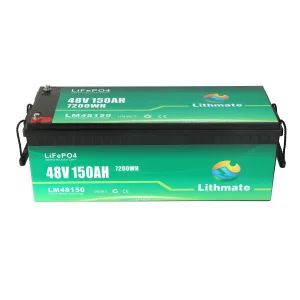
Optimal for 36V trolling motors (like Minn Kota or Garmin). One 36V lithium battery replaces three 12V lead-acid batteries, saving over 150 lbs of deck weight.

Our 36V solutions power Automated Guided Vehicles in logistics hubs, offering rapid charging and 24/7 duty cycle capability.

Ensuring steady power for scissor lifts and cherry pickers where voltage stability at height is a critical safety requirement.

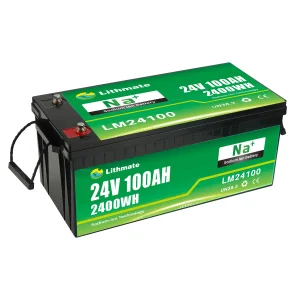
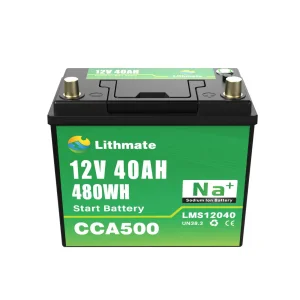
For extreme cold climates (-40°C), our advanced Sodium-Ion batteries provide the cranking power that LiFePO4 struggle with in deep winter.
The industry is moving toward "Smart Marine Integration." Batteries are no longer isolated units but are integrated into the vessel's NMEA 2000 network. We are also seeing a massive shift in Global Procurement Needs: B2B buyers now prioritize "Landed Cost" and "After-sales Reliability" over just the initial purchase price.
Lithmate addresses this by offering 7-year warranties and 24-hour on-call technical support, bridging the gap between a Chinese factory and a global local service experience.
A: It is not recommended. LiFePO4 requires a specific constant current/constant voltage (CC/CV) charging profile. Using a lead-acid charger can lead to incomplete charging or damage the BMS due to desulfation modes (high voltage spikes).
A: With our Tier-1 cells, you can expect 10+ years of service life if used daily. Our batteries are rated for >4000 cycles at 80% Depth of Discharge (DoD).
A: Removing 150-200 lbs from the bow (by replacing 3 AGM batteries with one 36V Lithium) improves hole shot, increases top speed, and allows the boat to float higher in shallow water—a major advantage for flats fishing.
A: Yes. Unlike Lead-Acid, LiFePO4 does not vent explosive hydrogen gas. Our BMS also includes thermal sensors to prevent overheating in tight spaces.
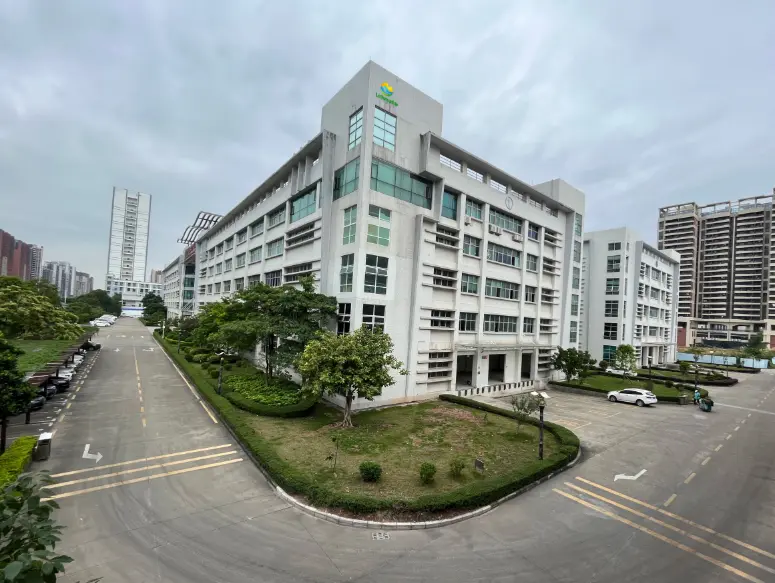
Lithmate New Energy Co., Ltd. is not just a supplier; we are an engineering-driven partner. With over 100 technology patents and 16 years of experience, we are dedicated to powering your marine or industrial fleet with the safest and most efficient lithium technology on the market.




 Lithmate