Choosing a trolling motor battery is about more than finding the biggest capacity or the lowest price. Marine Trolling Motor Batteries must match your motor’s voltage, expected runtime, boat layout, and charging setup. A 12-volt motor, for example, needs a compatible battery system, while a long day of slow maneuvering may call for more usable capacity. Small details matter.
This guide compares ten options for 2026, including lithium and AGM models, with attention to capacity, weight, durability, warranty, and practical fit. Lithium batteries can reduce weight and offer more usable energy, but they may cost more and require a compatible charger. AGM batteries are often familiar and sturdy, yet heavier. Neither chemistry is best for every boat. Salt spray, damp compartments, loose terminals, and repeated charging can all affect real-world performance. Check the manufacturer’s specifications before buying, especially for voltage, charging limits, and battery dimensions.
The rankings are a starting point, not a promise of identical results on every trip. A battery that works well on a lightweight skiff may feel undersized on a larger boat facing wind and current. And advertised runtime can be difficult to compare across brands. This guide weighs the available product details, but your motor’s draw and typical use should guide the final choice. A little uncertainty is honest. It can also help prevent an expensive mismatch.
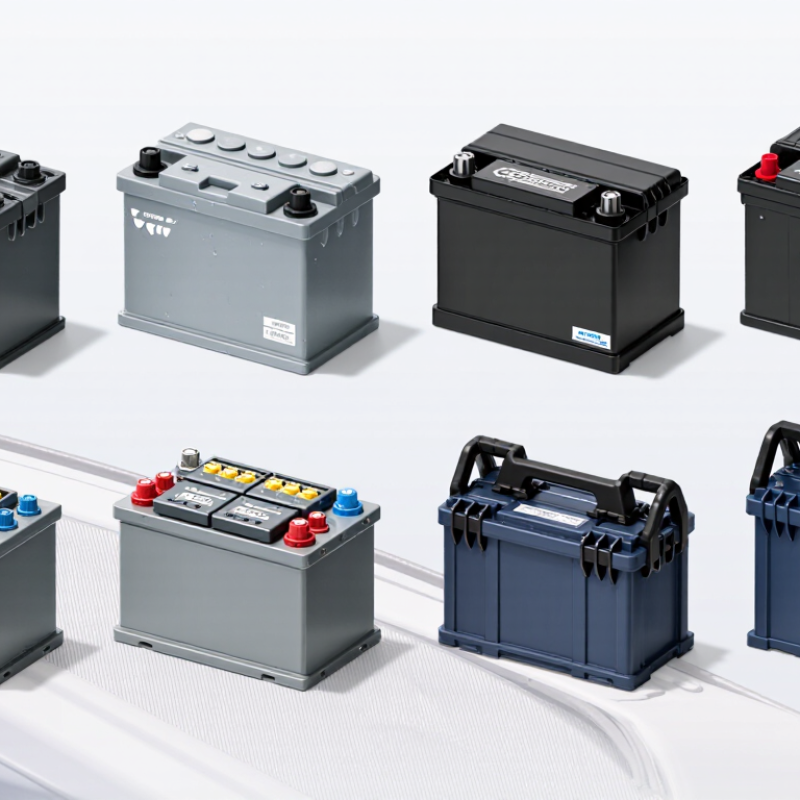
What a Marine Trolling Motor Battery Does
A marine trolling motor battery is the boat’s quiet power source. It stores electrical energy and delivers steady current to turn the motor, control speed, and support steering electronics. When the propeller pushes against wind or weeds, the motor may draw more current. The battery must meet that demand without a sudden voltage drop. That matters. The Battery Council International’s reserve-capacity test measures how many minutes a 12-volt battery can supply 25 amps at 80°F before voltage reaches 10.5 volts. It gives buyers a useful comparison, but it does not predict every trip. Not magic.
In practice, battery capacity affects how long you can move quietly before recharging. A partly discharged battery, cold water, heavy loads, and frequent high-speed bursts can all reduce usable runtime. A simple estimate is capacity in amp-hours divided by motor draw in amps, but real conditions complicate the math. I treat that estimate as a starting point, not a promise. Even a tidy calculation can miss a headwind or a tangled weed bed. Match the battery’s voltage to the motor’s requirements, then consider capacity, weight, charging needs, and how far you plan to travel from shore.
Battery Types and Key Performance Differences
A trolling motor battery’s type affects runtime, weight, charging, and upkeep. Flooded lead-acid batteries are often affordable, but they are heavy and require regular water-level checks. They should stay upright in a ventilated compartment. AGM batteries are sealed and need less routine maintenance, making them a practical choice when checking electrolyte levels is inconvenient. They still weigh considerably more than many lithium options. That matters on a small boat.
Lithium iron phosphate batteries usually offer lower weight and more usable capacity for their size. Their built-in battery management system can help protect against electrical problems, but compatibility with the motor and charger still matters. Upfront cost is typically higher, and charging below freezing may be restricted. Check the manual. Compare usable amp-hours, not just the number on the label, and consider your usual speed, trip length, and charging access. Runtime estimates can be imperfect: wind, weeds, and frequent acceleration all change power draw. A modest battery that fits your actual trips may serve better than an oversized one you rarely use.
How to Choose a Trolling Motor Battery for 2026
Choosing a trolling motor battery starts with matching its voltage to the motor. A 12-volt motor needs a compatible 12-volt battery; higher-voltage systems require the correct battery setup. Check the motor manual before buying. A mismatch can cause poor performance or damage equipment. Don’t guess.
Capacity, measured in amp-hours, helps estimate runtime. Divide the battery’s usable capacity by the motor’s average current draw for a rough estimate, then allow extra for wind, current, and frequent high-speed use. Real conditions vary. On a breezy afternoon, a motor working hard can drain a battery much faster than a calm-water estimate suggests. Cold weather may also reduce available capacity, so leave a reserve instead of planning to use every amp-hour.
Compare battery chemistry, weight, and charging needs. Lithium iron phosphate batteries are typically lighter and offer more usable capacity, but require a compatible charger and suitable battery-management protection. Lead-acid batteries are heavier, and routinely draining them deeply can shorten their service life. Check the battery’s continuous discharge rating against the motor’s maximum draw. Measure the battery compartment, too. Small detail, big difference. A battery that fits on paper may be awkward to secure or connect in a real boat. Recheck your assumptions before buying.
Top 10 Best Marine Trolling Motor Batteries for 2026? — How to Choose a Trolling Motor Battery for 2026
| # |
Battery Type and Setup |
Nominal Voltage |
Rated Capacity |
Suggested Usable Capacity |
Typical Cycle-Life Range |
Approx. Battery Weight |
Best Suited For |
| 1 |
Flooded lead-acid, deep-cycle |
12 V |
100 Ah |
About 50 Ah |
About 200–500 cycles |
55–70 lb (25–32 kg) |
Budget-conscious anglers who can accommodate a heavier battery and routine maintenance. |
| 2 |
AGM, deep-cycle |
12 V |
100 Ah |
About 50 Ah |
About 300–700 cycles |
60–75 lb (27–34 kg) |
Users wanting a sealed, maintenance-free lead-acid option for a common 12 V motor setup. |
| 3 |
AGM, deep-cycle, higher capacity |
12 V |
125 Ah |
About 60 Ah |
About 300–700 cycles |
70–90 lb (32–41 kg) |
Longer outings where additional reserve capacity matters more than battery weight. |
| 4 |
Gel, deep-cycle |
12 V |
100 Ah |
About 50 Ah |
About 500–1,000 cycles |
65–80 lb (29–36 kg) |
Installations needing a sealed lead-acid battery; use a charger with a gel-compatible setting. |
| 5 |
LiFePO₄, deep-cycle |
12.8 V nominal |
50 Ah |
About 40–50 Ah |
About 2,000–5,000 cycles |
12–18 lb (5–8 kg) |
Lightweight 12 V setups and shorter trips where reduced weight is a priority. |
| 6 |
LiFePO₄, deep-cycle |
12.8 V nominal |
100 Ah |
About 80–100 Ah |
About 2,000–5,000 cycles |
22–30 lb (10–14 kg) |
Most 12 V trolling-motor setups seeking a balance of usable capacity and low weight. |
| 7 |
LiFePO₄, deep-cycle, higher capacity |
12.8 V nominal |
150 Ah |
About 120–150 Ah |
About 2,000–5,000 cycles |
32–45 lb (15–20 kg) |
Longer 12 V outings or higher energy needs, provided the boat has room for the battery. |
| 8 |
LiFePO₄, deep-cycle |
25.6 V nominal |
50 Ah |
About 40–50 Ah |
About 2,000–5,000 cycles |
25–40 lb (11–18 kg) |
24 V motors where a single compatible battery is preferred over two batteries in series. |
| 9 |
LiFePO₄, deep-cycle |
25.6 V nominal |
100 Ah |
About 80–100 Ah |
About 2,000–5,000 cycles |
45–65 lb (20–29 kg) |
24 V setups requiring greater capacity for extended use; confirm the motor and charger support this voltage. |
| 10 |
LiFePO₄, deep-cycle |
38.4 V nominal |
100 Ah |
About 80–100 Ah |
About 2,000–5,000 cycles |
65–90 lb (29–41 kg) |
Compatible 36 V motors and higher-capacity systems; check the motor’s approved battery-voltage range. |
Selection note: These are typical technology-level ranges, not guarantees for every battery. Actual weight, usable capacity, and cycle life vary by design, temperature, discharge rate, charging method, and depth of discharge. Before buying, match the battery voltage to the motor, verify the required charger profile, and check any onboard battery-management-system limits. Lead-acid batteries are commonly sized to avoid discharging much below roughly 50% capacity; LiFePO₄ batteries often provide a greater usable share, subject to the manufacturer’s specifications.
Ten Top Marine Trolling Motor Batteries Compared
A useful comparison of ten marine trolling-motor battery options starts with how they handle a real day on the water. Compact lithium batteries save space and weight, while higher-capacity lithium models can support longer runs. Versions with clear charge displays make remaining power easier to judge. Built-in battery management can add protection, but check that its limits suit the motor’s current draw.
AGM choices bring sealed construction and simple charging routines. Group 24 models fit smaller compartments; group 27 and 31 options generally offer more reserve, with added weight. Dual-purpose AGM batteries can serve more than one role, though that flexibility may involve a runtime trade-off. Flooded deep-cycle batteries are familiar and often budget-conscious, but need upright installation and regular inspection. Gel batteries call for compatible charging settings. Small detail, big consequence.
Voltage matters just as much as chemistry. A matched 24-volt battery setup can suit a motor designed for that system, but wiring and charger compatibility need careful checking. Compare usable capacity, weight, warranty terms, and low-temperature charging limits—not just the number printed on the case. I would not rank one type as best for every boat; hull size, current, and fishing hours change the answer. That is the imperfect part of any top-ten comparison. A battery that feels ample on a calm morning may disappoint after a long, windy return.
Installation, Charging, and Battery Care Basics
A reliable trolling motor setup begins with a battery that matches the motor’s voltage and expected run time. Check the motor manual before choosing a battery or charger; requirements can differ by system. During installation, switch off the motor, confirm terminal polarity, and secure the battery so it cannot slide when the boat rocks. Keep connections clean and protected from moisture. Use the fuse and cable specifications recommended for your motor. Small details matter.
Charging depends on battery chemistry. Use a compatible charger, and follow its instructions rather than relying on a one-size-fits-all routine. Charge lead-acid batteries in a well-ventilated area, and avoid charging any battery that is damaged, unusually hot, or leaking. It is easy to focus only on capacity. Yet loose terminals or a poor charging routine can shorten service life, even with a high-capacity battery. Inspect cables, case condition, and charge level regularly; a quick check before launch can catch problems early.
Tips: After each trip, rinse away salt or grime around the battery area and dry it thoroughly. Store the battery within the temperature and charge range specified by its manufacturer. Keep a simple log of charging and run time; your actual usage may differ from estimates.
Conclusion
This guide explains how Marine Trolling Motor Batteries supply steady power to trolling motors and why choosing the right battery can improve time on the water and overall reliability. It compares common battery types, including their differences in usable capacity, weight, charging needs, lifespan, and maintenance. Readers will learn how to match a battery to their motor’s voltage and power demands, expected outing length, available space, and budget, while considering practical factors such as capacity, durability, and recharge time.
The article also compares ten leading battery options for 2026 to help readers weigh their features and intended uses. It concludes with straightforward guidance on safe installation, suitable charging practices, and routine care. Following these basics can help protect battery performance, reduce avoidable wear, and ensure a dependable power source for future trips.

 Lithmate