Choosing a reliable Forklift Lithium Battery supplier in China requires more than comparing online prices. A battery may look affordable, yet its cells, battery management system, warranty, and after-sales support can vary widely. In busy warehouses, a stable battery should support repeated shifts, quick charging, and safe operation near loading docks. Small details matter.
This guide examines leading Chinese suppliers, common price ranges, and the technical factors behind those prices. It considers battery capacity, voltage, cell quality, charger compatibility, cycle life, and delivery terms. Practical sourcing experience shows that a 48V battery with a higher initial cost may reduce downtime over several years. However, claimed cycle numbers need careful verification under real working conditions. Ask for test reports, product photographs, warranty terms, and clear maintenance instructions. Do not rely on a short quotation alone.
Prices also change with lithium chemistry, order volume, customization, shipping arrangements, and market conditions. Some suppliers publish attractive figures that exclude chargers, protective packaging, or service costs. No supplier list is perfect. Factory visits may reveal useful details, but they cannot replace independent checks and documented performance data. Buyers should compare complete system costs, not only the battery unit price. The most trustworthy supplier communicates clearly, explains limitations, and responds consistently after payment. This introduction provides a practical starting point for evaluating China’s forklift battery market with greater confidence, while recognizing that every warehouse has different operating demands.
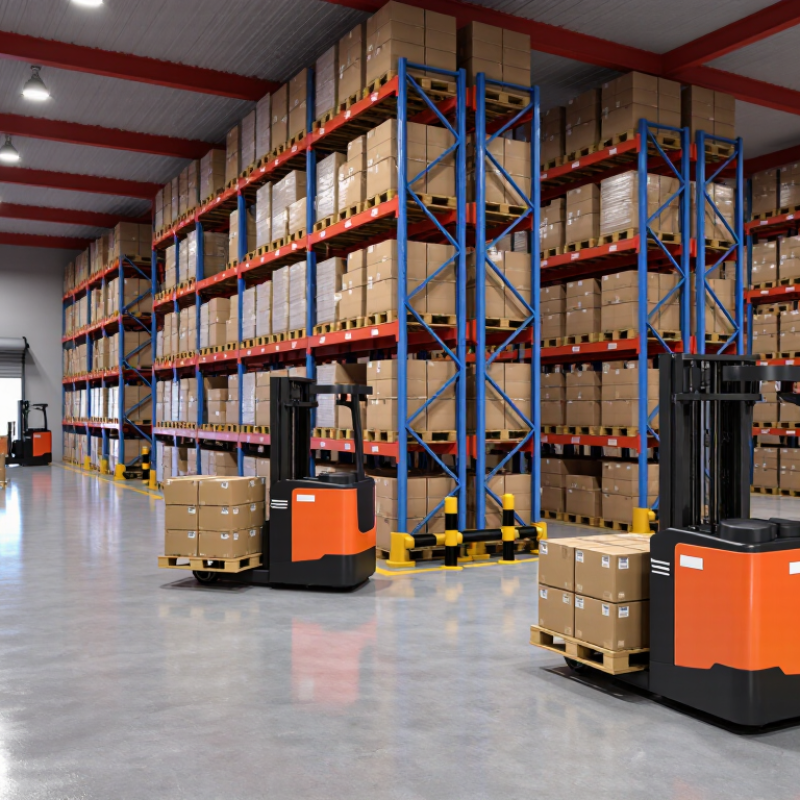
China Best Forklift Lithium Battery Suppliers and Prices
Forklift lithium batteries store energy in kilowatt-hours, while capacity is usually rated in ampere-hours. Voltage must match the forklift system exactly. A mismatch can damage controllers, chargers, or safety circuits. Check the battery management system, thermal protection, charging limits, and communication interface. These details matter more than a low supplier quotation.
Cycle life should reflect actual warehouse conditions, not only laboratory results. Ask for test methods, usable capacity, discharge rate, and temperature ranges. Look for evidence aligned with recognized standards, such as IEC 62619, where applicable. A practical price comparison includes the charger, installation, warranty, maintenance, and expected downtime. Cheap equipment may become expensive after repeated charging problems.
Tips
Measure one full work shift. Record lifting weight, travel distance, breaks, and charging time. Leave safety capacity for cold rooms and busy periods. Inspect cable connectors and battery housing regularly. No spreadsheet captures every shift perfectly. Recheck assumptions after three months. Some performance claims still need independent verification. A supplier should provide clear technical documents, test reports, and responsive after-sales support.
China Best Forklift Lithium Battery Suppliers and Prices
Evaluating Chinese forklift lithium battery suppliers requires more than comparing prices. Start by checking cell origin, production records, and battery management system functions. Ask for test reports showing capacity, charging temperature, cycle performance, and protection against overcurrent. A serious supplier should explain each result clearly. Vague answers deserve caution.
Request a sample battery before placing a large order. Measure its voltage balance, charging time, connector fit, and performance during a real warehouse shift. Check whether the battery communicates correctly with your forklift’s charger and display. Small compatibility errors can stop operations. They are expensive.
Factory audits also matter. Review assembly areas, quality inspection stations, worker training, and traceability records. Confirm warranty terms in writing, including response time and replacement procedures. Prices should include packaging, testing, shipping, duties, and possible spare parts. The cheapest quotation may hide important costs. During one practical evaluation, the advertised capacity looked strong, but the usable capacity fell under heavy loads. That result was not a disaster, but it changed the purchasing decision. A supplier willing to discuss such weaknesses is often more reliable than one promising perfect performance. Ask for references from similar warehouse applications, while remembering that references can be selective. Aamma. Look for evidence, not polished claims.
| Evaluation Dimension | Typical Market Specification or Benchmark | Indicative Price Range | What to Verify with a Chinese Supplier | Evaluation Guidance |
|---|---|---|---|---|
| Battery Chemistry | LiFePO₄ is widely used for industrial forklift batteries because of its thermal stability, long service life, and relatively low maintenance requirements. | Included in total battery price | Confirm cell chemistry, cell manufacturer, cell grade, traceability, and whether the battery management system is designed specifically for LiFePO₄. | Prefer documented cell traceability and a battery design intended for high-current material-handling applications. |
| Nominal Voltage | Common forklift battery systems include 24 V, 36 V, 48 V, 72 V, and 80 V. The correct voltage must match the truck controller and charger. | 24 V: approximately US$1,500–3,500 48 V: approximately US$3,000–8,000 80 V: approximately US$6,000–15,000 |
Request the nominal voltage, operating-voltage range, connector type, battery dimensions, and communication protocol. | A lower quotation is not comparable unless voltage, capacity, enclosure size, and accessories are equivalent. |
| Rated Capacity | Typical industrial capacities range from approximately 200 Ah to 1,000 Ah, depending on truck size, shift length, and operating conditions. | Higher capacity normally increases total price by approximately US$5–10 per Ah, depending on voltage and configuration. | Confirm rated capacity, test conditions, usable energy, continuous discharge current, peak current, and capacity tolerance. | Compare usable energy rather than Ah alone: usable energy is approximately nominal voltage × capacity × permitted depth of discharge. |
| Cycle Life | Quality LiFePO₄ forklift batteries are commonly specified at approximately 3,500–6,000 cycles under defined laboratory test conditions. | Usually reflected in the warranty and cell quality rather than shown as a separate charge. | Ask for the cycle-test method, depth of discharge, charge and discharge rates, temperature, end-of-life capacity percentage, and test report. | Do not compare cycle counts unless the testing conditions and end-of-life definition are identical. |
| Battery Management System | A forklift BMS should monitor cell voltage, temperature, current, state of charge, insulation status, and fault conditions. | Basic systems are often included; advanced telemetry may add approximately US$150–600. | Verify overcharge, over-discharge, overcurrent, short-circuit, over-temperature, under-temperature, and communication protections. | Choose a supplier that can provide BMS fault records, software access, alarm definitions, and replacement procedures. |
| Charging System | High-frequency chargers are commonly selected for forklift lithium batteries. Charging time is often approximately 2–3 hours, depending on charger output and battery capacity. | Typical industrial charger range: approximately US$500–2,500 | Confirm input voltage, output voltage, charging current, connector, CAN or other communication compatibility, protection rating, and charging profile. | The charger must be matched to the battery and operating schedule; using an unsuitable charger can reduce safety and service life. |
| Enclosure and Mechanical Fit | Battery trays and enclosures must match the forklift compartment, mounting points, cable routing, and counterweight requirements. | Custom enclosure work may add approximately US$300–2,000. | Request a dimensioned drawing, center-of-gravity data, total weight, lifting points, IP rating, cable layout, and connector position. | Require a sample-fit review or 3D drawing before mass production, especially for replacement batteries. |
| Safety and Compliance Documents | Commonly requested documents include UN 38.3 test evidence, SDS, CE-related documentation where applicable, EMC information, and transport packaging records. | Testing and documentation costs may be included or quoted separately. | Check document validity, model consistency, issuing laboratory, test scope, and whether the documents apply to the exact battery configuration. | Documentation should be specific to the supplied model and not only to a similar battery series. |
| Warranty | Commercial forklift lithium battery warranties commonly range from 3 to 5 years or a specified number of operating cycles, subject to conditions. | Longer warranties may increase the purchase price by approximately 5%–15%. | Review coverage for capacity retention, BMS, charger, labor, shipping, excluded operating conditions, and response time. | Prefer a written capacity-retention commitment, such as a defined minimum percentage at a stated time or cycle limit. |
| Factory Capability | Important indicators include in-house pack assembly, automated welding, end-of-line testing, aging tests, quality inspection, and documented production controls. | Not directly measurable from the quotation | Request factory photographs or an audit, production-flow records, quality certificates, sample test reports, and annual production capacity. | Manufacturing capability and quality controls are generally more reliable indicators than a low initial price. |
| Customization and After-Sales Support | Support may include battery communication integration, remote monitoring, replacement parts, technical training, and troubleshooting. | Customization and monitoring may add approximately US$100–1,000 per battery. | Confirm service contact details, spare-parts availability, remote diagnostic capability, installation guidance, and escalation procedures. | Evaluate the supplier’s ability to support the battery throughout its expected operating life, not only during delivery. |
| Lead Time and Commercial Terms | Standard products may ship in approximately 20–45 days; custom designs can require approximately 45–90 days. | Freight, duties, taxes, and installation are normally excluded from factory quotations. | Clarify Incoterms, production schedule, payment milestones, inspection rights, packaging, spare parts, and delay responsibilities. | Compare total landed cost rather than factory price alone, including shipping, import charges, commissioning, and possible downtime. |
Price ranges are indicative factory-level estimates for common industrial configurations and can vary according to voltage, capacity, cell grade, enclosure design, charger, order quantity, certifications, shipping terms, and exchange rates. Request a model-specific quotation and verify all technical and compliance documents before purchase.
China’s forklift lithium battery market includes cell manufacturers, battery assemblers, trading companies, and complete power-system integrators. Each supplier type serves a different purchasing need. Assemblers often provide better customization, while trading companies may offer broader product choices. Integrators can match batteries with chargers, displays, and warehouse equipment.
Product selection should begin with the forklift’s voltage, rated capacity, battery compartment, connector, and daily operating hours. Measure the tray space carefully; a few millimeters can prevent installation. Check the battery management system, thermal protection, charging records, and communication protocol. Ask for cycle-life test conditions, not only attractive laboratory figures. Request sample data, inspection reports, warranty terms, and after-sales response times.
Price comparisons should include cells, charger compatibility, delivery, installation, spare parts, and technical support. The cheapest quote misleads. A lower price may hide weaker cells or limited warranty coverage. In practical warehouse evaluations, charging speed and stable output often matter more than headline capacity. Still, capacity calculations can be imperfect when shift patterns change. Discuss real load weight, travel distance, ambient temperature, and charging windows with the supplier. A reliable supplier explains limitations clearly and accepts reasonable testing before larger orders.
Forklift lithium battery prices vary widely because capacity is only one part of the quotation. In current industrial markets, lithium packs commonly range from about USD 250 to USD 600 per kWh. A 48V, 400Ah battery stores roughly 19.2 kWh and may cost USD 5,000–10,000. An 80V, 600Ah pack can reach USD 12,000–25,000. These are practical market ranges, not fixed prices.
Battery chemistry, cell quality, and the battery management system strongly affect the final figure. A pack designed for intensive cold-storage work usually costs more than one used for light, single-shift handling. Built-in heating, remote monitoring, fast charging, and a longer warranty also increase costs. The charger may add USD 800–3,000, while shipping, installation, spare connectors, and commissioning can change the final quote significantly.
I have found that the cheapest offer is rarely the clearest. Ask for cycle-life testing, usable capacity, charging limits, and warranty exclusions. Request the battery’s weight and dimensions too; they must match the forklift’s counterbalance requirements. A supplier should explain whether prices include delivery and local service. Some quotations look attractive because these items are missing. That is easy to overlook. My own estimate would remain provisional until duty cycles, ambient temperature, and charging schedules are confirmed. Conditions matter more than a polished price sheet.
Indicative market ranges for new lithium-ion forklift batteries, shown in USD per battery. Actual prices vary by cell chemistry, battery management system, charger, certifications, warranty, order quantity, and shipping terms.
Higher-voltage and higher-capacity batteries generally cost more because they contain more energy-storage cells and require larger enclosures, stronger battery management systems, and higher-rated charging equipment. Lithium iron phosphate batteries are commonly selected for forklifts because of their safety, long cycle life, and opportunity-charging capability.
Choosing a Chinese forklift lithium battery supplier requires more than comparing price lists. Before ordering, confirm voltage, amp-hour capacity, tray dimensions, connector type, charger compatibility, and communication protocol. Ask for cell traceability, production dates, safety test records, and a clear quotation. Shipping terms, spare parts, and lead time should appear in writing. Request a sample when fleet downtime would be expensive. Small details matter.
Quality checks should combine documents with physical inspection. Check the battery label against the invoice and measure voltage before installation. Review BMS data, capacity-test results, temperature protection, and charging behavior. During a trial, record runtime, charging time, and alarm events. Inspect cables, terminals, housing seals, and lifting points. A third-party test can strengthen confidence, but it cannot replace a real forklift trial. Even careful buyers miss something. A practical warning.
Warranty terms deserve precise questions. Confirm coverage period, cycle limits, acceptable capacity loss, labor responsibility, and transport costs. Ask how faults are diagnosed and how quickly replacement modules can ship. Reliable after-sales support should provide remote troubleshooting, written procedures, and trained technicians. Keep installation records and monthly battery data; they help separate misuse from product failure. A low price may still become costly if support stops after delivery. Supplier promises need testing.
Lithium battery packs commonly cost about USD 250–600 per kWh. Prices vary by design.
A 48V, 400Ah battery stores roughly 19.2 kWh. Its price may range from USD 5,000–10,000.
Heating, remote monitoring, fast charging, stronger cells, and longer warranties can raise the cost. A charger may add USD 800–3,000.
Confirm voltage, capacity, tray dimensions, connector type, charger compatibility, and communication protocol. Small details matter.
Compare the label with the invoice and measure voltage before installation. Review test records, BMS data, temperature protection, and charging behavior.
Record runtime, charging time, alarm events, and unusual temperature changes. Inspect cables, terminals, seals, and lifting points.
Ask about coverage length, cycle limits, acceptable capacity loss, labor duties, and transport costs. Written answers are safer.
Support should include remote troubleshooting, clear procedures, and trained technicians. A low purchase price can become expensive later.
No. It adds confidence, but a real forklift trial remains necessary. I would not rely on paperwork alone.
Delivery, installation, spare connectors, service, or commissioning may be excluded. The final cost is still uncertain.
This guide explains the essential features of a Forklift Lithium Battery, including energy capacity, voltage, cycle life, charging efficiency, safety protection, operating temperature, and compatibility with different forklift models. It also outlines practical methods for evaluating Chinese suppliers, such as reviewing manufacturing experience, production capabilities, certifications, testing procedures, customization options, and communication efficiency. Buyers can compare different supplier types and select products according to warehouse conditions, daily operating hours, load requirements, charging schedules, and total ownership costs.
The article also examines the main factors influencing forklift lithium battery prices, including cell quality, battery capacity, battery management systems, enclosure design, charger configuration, customization, order volume, and shipping requirements. It provides general market range guidance while emphasizing the importance of requesting clear quotations and technical specifications. Finally, buyers will learn how to manage ordering, inspect product quality upon delivery, confirm warranty coverage, and assess after-sales support, spare parts availability, technical assistance, and service response time before making a purchase.

Lithmate