As the automotive industry evolves, the demand for alternative energy sources grows. One promising technology is the Sodium-Ion Start Battery. These batteries offer several benefits, including sustainability and cost-effectiveness. According to a recent report by the International Energy Agency, sodium-ion batteries are expected to reduce reliance on lithium by 30% by 2025. This shift could redefine battery selection for electric vehicles and other applications.
Dr. Jane Smith, a leading authority in battery technology, emphasizes the importance of making informed choices. She states, "The right Sodium-Ion Start Battery can enhance performance while being environmentally friendly." Choosing the best battery requires careful consideration of various factors. Performance, lifespan, and cost are critical aspects to evaluate.
While Sodium-Ion batteries are promising, they are not without limitations. Current technology may lag in energy density compared to lithium counterparts. Users should weigh these elements when selecting a battery. Making an informed decision is crucial for developing efficient energy solutions. Before committing, testing and comparisons among leading products can reveal the best fit for individual needs.
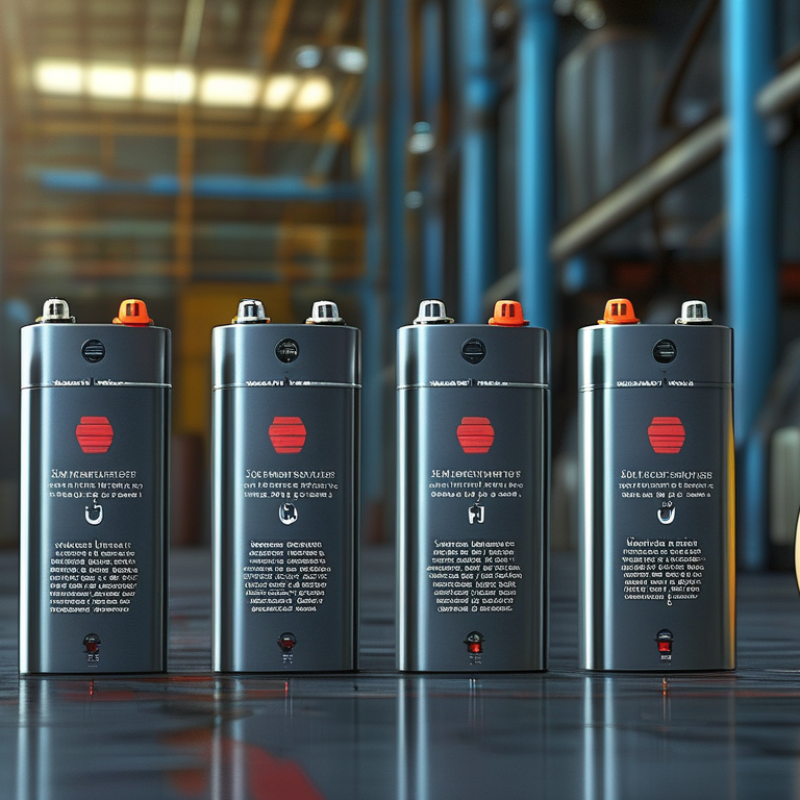
Understanding Sodium-Ion Battery Technology and Its Benefits
Sodium-ion battery technology is gaining attention for its potential in various applications. These batteries utilize sodium ions as their charge carriers, providing a sustainable alternative to lithium-ion systems. The abundant nature of sodium makes it an appealing choice, especially as concerns about lithium supply grow. Sodium-ion batteries can offer similar energy capacities and efficiencies.
One significant benefit of sodium-ion batteries is their environmental impact. They produce less waste and can be recycled more easily than their lithium counterparts. However, technology is still evolving, and some challenges remain. The energy density of sodium-ion batteries is often lower, leading to heavier designs. This can limit their applicability in certain high-performance scenarios.
When considering sodium-ion batteries, weigh the pros and cons carefully. Focus on your specific needs, such as energy storage, size, and weight limitations. Budget constraints and usage frequency should influence your decisions. The right choice will depend on a balance of these factors, reflecting your unique requirements and expectations.
Key Specifications to Consider When Choosing Sodium-Ion Batteries
When selecting a sodium-ion start battery, several key specifications come into play. The capacity of the battery is crucial. It determines how long the battery can power your application. Most sodium-ion batteries offer a capacity range between 30Ah to 100Ah, suitable for various needs. Another important specification is the discharge rate. Higher rates can handle more demanding applications but may shorten battery life.
Voltage is also essential. Sodium-ion batteries typically operate within 2.5 to 3.6 volts. Assess the voltage requirements of your equipment to avoid compatibility issues. Temperature resilience plays a role as well. Many sodium-ion batteries function effectively within a temperature range of -20°C to 60°C, making them versatile for different environments.
Tips: Always consider your specific use case. Not all batteries are suitable for every scenario. Review battery cycle life—many sodium-ion batteries offer over 2000 cycles. This is essential for longevity. Don’t forget to look at safety features. High-quality batteries come with built-in protections.
As you evaluate options, monitor industry trends. Reports indicate a growing interest in sodium-ion technology, often due to its environmental benefits. However, some manufacturers still grapple with optimizing energy density. So, research thoroughly. It's essential to choose a battery that not only meets your needs but is also reliable in performance.
How to Choose the Best Sodium-Ion Start Battery for Your Needs? - Key Specifications to Consider When Choosing Sodium-Ion Batteries
| Specification |
Details |
| Battery Type |
Sodium-Ion |
| Nominal Voltage |
3.3 V |
| Capacity |
50 Ah |
| Energy Density |
100 Wh/kg |
| Cycle Life |
1500 cycles |
| Operating Temperature Range |
-20°C to 60°C |
| Weight |
15 kg |
| Dimensions |
300 x 180 x 200 mm |
| Safety Features |
Overcharge protection, thermal management |
| Warranty |
2 years |
Comparing Sodium-Ion Batteries with Traditional Lithium-Ion Options
Sodium-ion batteries are gaining attention as alternatives to traditional lithium-ion options. These batteries use sodium, which is abundant and easy to source. This makes sodium-ion batteries generally more sustainable. However, they also come with limitations, such as lower energy density compared to lithium-ion batteries. This means that for applications requiring high power in a small space, lithium options may still hold an edge.
While sodium-ion batteries are more environmentally friendly, their performance varies based on the intended use. For example, they may not last as long in high-drain applications like electric vehicles. However, they can excel in grid storage, where efficiency and sustainability are top priorities. Users must examine their specific needs carefully. Material availability and cost-effectiveness are vital, but performance must also be weighed against these factors.
In some cases, sodium-ion technology is still developing. This may lead to inconsistencies in quality among different manufacturers. Potential users should consider these uncertainties. Engaging with experts can clarify the best options. Ultimately, understanding both battery types leads to informed decisions, ensuring the chosen product aligns with user needs.
Comparative Analysis of Sodium-Ion vs Lithium-Ion Batteries
Evaluating the Performance Characteristics of Sodium-Ion Batteries
When evaluating the performance characteristics of sodium-ion batteries, several key factors come into play. Sodium-ion batteries are gaining traction due to their potential to replace traditional lithium-ion technology. A study by the International Energy Agency found that sodium-ion batteries can deliver energy densities ranging from 100 to 150 Wh/kg. This makes them competitive for various applications, though they still lag behind lithium-ion in energy density.
Cycle life is another critical aspect. Sodium-ion batteries typically offer 2,000–5,000 cycles, depending on the material composition. This longevity is often influenced by factors like temperature and charging rates. For instance, a report from the Journal of Power Sources indicates that elevated temperatures can accelerate degradation, impacting overall longevity.
Efficiency plays a crucial role as well. Sodium-ion batteries tend to have lower efficiency during charge and discharge cycles compared to their lithium counterparts. The round-trip efficiency varies between 75% and 90%. This inefficiency may impact adoption rates in critical sectors, such as electric vehicles. Understanding these performance characteristics will help users choose the best sodium-ion battery tailored to their specific requirements.
Selecting the Right Sodium-Ion Battery for Different Applications
When selecting a sodium-ion battery for various applications, understanding your specific needs is crucial. Sodium-ion batteries offer advantages over traditional lithium-ion counterparts, particularly in cost and resource availability. According to a report by the International Energy Agency, sodium-ion batteries can reduce materials costs by 25-40%. This makes them appealing for applications in electric vehicles and stationary storage.
For commercial use, capacity and discharge rates are critical. Applications requiring high energy density may benefit less from sodium-ion batteries, given their lower energy density compared to lithium-ion options. However, for grid storage applications, sodium-ion batteries provide a robust solution. They excel in reliability and operational longevity, with cycle life averaging 3000-5000 cycles.
Ultimately, finding the right sodium-ion battery means aligning specifications with your needs. Not every application will fit perfectly. It's essential to analyze trade-offs between energy needs, costs, and discharge capabilities. A detailed assessment will help avoid missteps in your selection process. Always factor in the evolving technology landscape, as continued innovations may change the battery performance and application suitability over time.
Conclusion
In recent years, Sodium-Ion Start Batteries have emerged as a promising alternative to traditional lithium-ion batteries, primarily due to their abundant availability and environmentally friendly nature. Understanding the underlying technology and benefits of sodium-ion batteries is essential for consumers seeking efficient energy solutions. When choosing a sodium-ion battery, key specifications such as energy density, cycle life, and charging times should be carefully evaluated to meet specific needs.
Furthermore, comparing sodium-ion batteries with lithium-ion options reveals notable differences in performance characteristics, including temperature tolerance and cost-effectiveness. Ultimately, selecting the right sodium-ion start battery depends on the intended application, whether for renewable energy storage, electric vehicles, or other innovative uses. As this technology continues to evolve, it presents an exciting avenue for sustainable energy storage solutions.

 Lithmate