Premium lithium iron phosphate modules engineered for high operational uptime, rapid charge acceptance, and advanced thermal stability in urban transit systems.
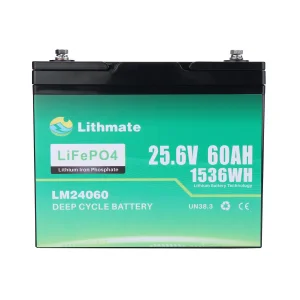
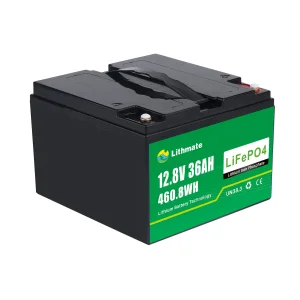
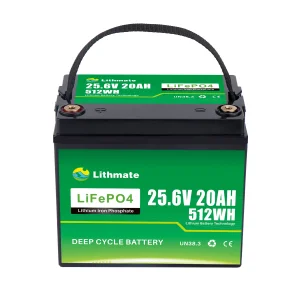
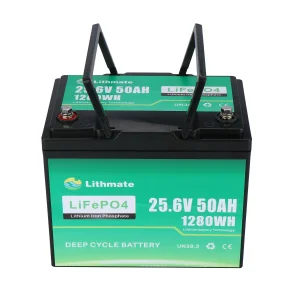
San Francisco stands at the global frontier of zero-emission transit initiatives. With the California Air Resources Board (CARB) and municipal mandates accelerating the complete transition of material handling equipment, port terminals, micro-mobility programs, and light commercial vehicles to pure electric drivetrains, the performance profile demanded of batteries has shifted fundamentally. No longer is battery selection merely about voltage and capacity; it has become an engineering exercise in maximizing lifetime energy throughput, ensuring operation under thermal extremes, and securing seamless system integration.
From the bustling logistics arteries surrounding San Francisco International Airport (SFO) and the Port of San Francisco to the last-mile micro-mobility networks grid-locking downtown, batteries must withstand strenuous charge-discharge cycles. Daily operations in these corridors feature steep topographical inclines (requiring exceptional continuous current discharge rates) and highly varied coastal microclimates. In these demanding conditions, conventional lead-acid arrays fall short due to low usable depth-of-discharge (DoD), weight penalties, and high maintenance overheads.
Lithmate’s high-performance LiFePO4 (Lithium Iron Phosphate) pack designs solve these localized bottlenecks. By offering over 80% usable depth-of-discharge with a cycle life exceeding 4,000 charge cycles, our architectures dramatically decrease the Levelized Cost of Storage (LCOS) for operators. This technological edge enables fleet managers to transition seamlessly from legacy energy systems to high-efficiency, zero-emission lithium platforms.
Operating a fleet within San Francisco requires complying with some of the world's most stringent environmental and workplace safety regulations. Local system integrators frequently face high engineering development costs when attempting to design custom packs in-house. As a dedicated OEM/ODM manufacturer, Lithmate bridges this gap by marrying cutting-edge cell sourcing from top-tier providers (such as CATL and EVE) with customized BMS configurations tailored to North American safety protocols. Our engineering support ensures local compliance while optimizing manufacturing costs.
As a professional, vertically integrated lithium and sodium-ion battery manufacturer, Lithmate operates in strict accordance with ISO 9001 quality management protocols. Our global footprint is built upon a foundation of relentless engineering and technological refinement. By controlling the entire development pipeline from cell screening and module layout to custom BMS programming and final structural validation, we provide high-reliability energy storage solutions that carry CE, UL, UN38.3, RoHS, and IEC compliance certifications.
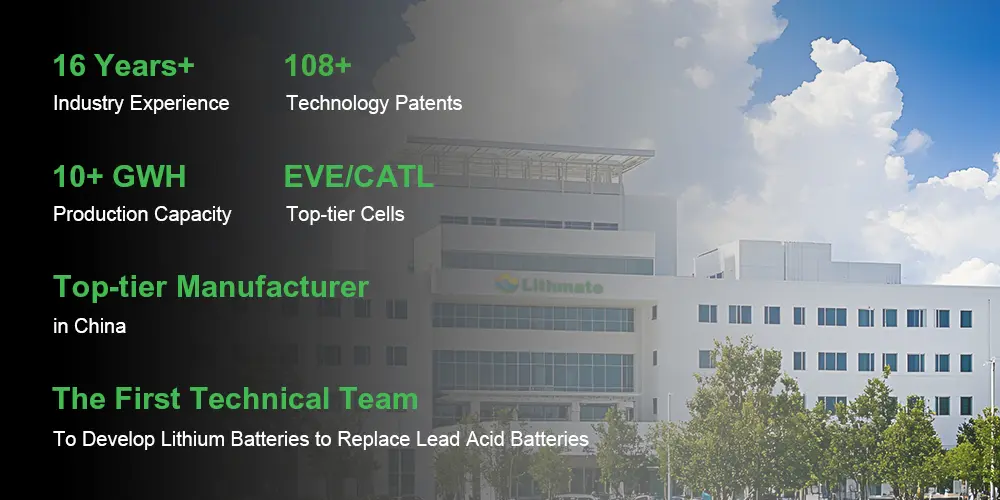
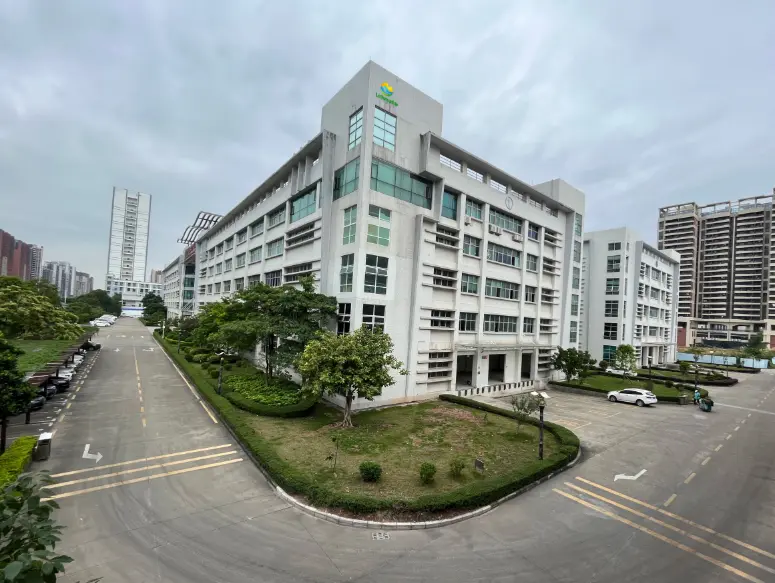
Our advanced manufacturing park houses high-precision automated module assembly facilities alongside dedicated environment chambers for climatic testing. With an engineering team that has been developing energy storage systems for over 16 years, we handle high-complexity custom pack requests (ODM/OEM) with streamlined turnarounds.

Certified to meet stringent international safety, marine, and hazardous transit standards.

Continuous R&D iterations, specializing in high-safety structural pack design and cell cooling integration.

Seamless logistics pathways serving North America, Europe, Australia, and regional warehousing hubs.

Custom form factors, communication protocols (CAN, RS485), and specialized thermal management configurations.
A comparative evaluation of LiFePO4 and Sodium-Ion technologies for modern commercial and industrial mobility fleets.
Choosing the correct chemistry involves a balance of energy density, temperature response, cycle longevity, and cost boundaries. Lithmate manufactures both lithium iron phosphate (LiFePO4) and sodium-ion configurations to meet different application profiles.
For applications demanding long-term cyclic durability, Lithium Iron Phosphate (LiFePO4) remains the industry gold standard. Operating with a cycle life of 4,000+ cycles at 80% depth of discharge, LiFePO4 features superb structural stability and chemical resilience against degradation. Its high thermal runaway threshold (approx. 270°C) prevents catastrophic failures in multi-pack configurations. Recommended for material handling vehicles, AGVs, and daily-use electric transit buses.
Sodium-ion batteries represent the latest evolution in cost-effective energy storage. In cold climates or cold-chain storage environments where conventional lithium chemistries suffer capacity loss or charging restrictions, sodium-ion maintains outstanding discharge characteristics. Operating down to -40°C with exceptional power delivery, sodium-ion starts reliably where other cells freeze. Recommended for logistics trucks, marine starting configurations, and cold-storage sweepers.
Every Lithmate pack houses a customized Smart Battery Management System (BMS) supporting integrated CAN bus, Modbus, or RS485 communication. The BMS continuously monitors individual cell voltages, state of charge (SoC), state of health (SoH), and internal temperatures. Dual thermal protection switches and active balancing circuits prevent cell mismatch, extending the pack's usable life by up to 30% compared to basic analog systems.
Our heavy-duty industrial cases feature shock-absorption framing and internal fire-retardant barriers. This structural design isolates cell modules, preventing external physical impacts from causing internal short circuits or cascading thermal propagation. The enclosures are designed to meet IP65/IP67 ingress ratings to resist moisture and dust in industrial environments.
From heavy forklifts to high-cranking marine starting applications, Lithmate delivers optimized packs for all vehicle categories.
 Electric LSV & AGV/AMR
High-capacity systems designed to support automated guided vehicles and warehouse mobile robotics. Supports automated charging and long, multi-shift duty cycles without memory effects.
 Marine Propulsion & Starting
Corrosion-resistant marine battery solutions in 12V, 24V, 36V, 48V, and 96V configurations. Designed to power electric trawlers and onboard auxiliary electronics in marine environments.
 Forklifts & Floor Cleaners
Heavy-duty lithium replacement packs for Class I, II, and III forklifts, floor scrubbers, and aerial platforms. Supports fast opportunity charging to eliminate spare battery swapping.
How our automated gigafactory infrastructure scales performance while keeping procurement costs globally competitive.
We source Class-A cells from EVE and CATL. Every single cell goes through high-precision internal resistance testing, open-circuit voltage checks, and capacity sorting to ensure matching across the pack and prevent premature degradation.
By employing robotic laser welding stations, we guarantee consistent contact resistance across cell interconnections. This automated precision minimizes heating during high-current discharge cycles and eliminates assembly variance.
Our proximity to upstream raw material processors allows us to minimize processing overhead. This logistics and sourcing advantage lets us pass significant savings on to overseas partners without sacrificing component quality.
Industrial battery deployment in California requires strict adherence to international safety, environmental, and transportation rules. Lithmate systems undergo rigorous regulatory testing. Our production facility is certified to ISO 9001 standards, and our products carry UL, CE, UN38.3, MSDS, IEC, and RoHS certifications. This verified compliance ensures hassle-free import clearance, smooth local zoning approvals, and meets commercial insurance criteria for corporate facilities.
Through our engineering partnership with the Huizhou Energy Storage and Power Battery Research Center, we actively participate in safety verification projects. These testing loops include continuous thermal abuse tests, direct short-circuit simulations, physical crush tests, and high-altitude transport simulations to guarantee field safety under harsh conditions.





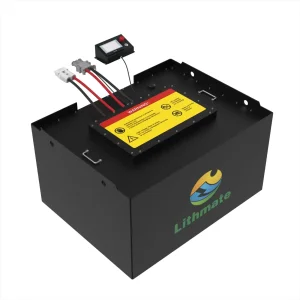
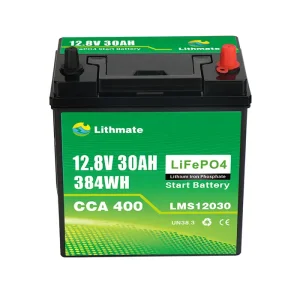
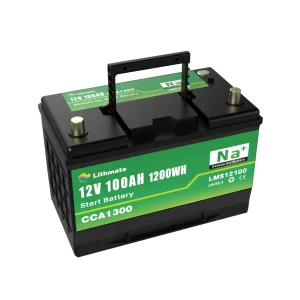
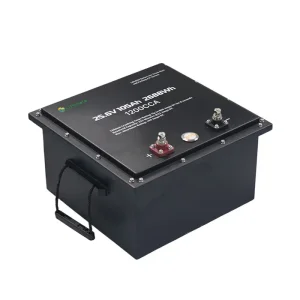
Explore our full line of specialized starting and deep-cycle battery packs, supporting marine fleets, forklifts, heavy trucks, and microgrids.
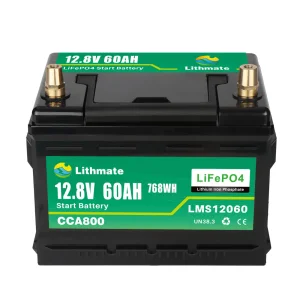
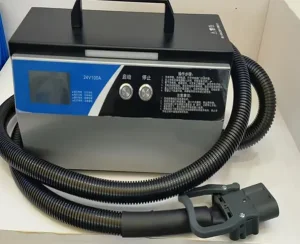
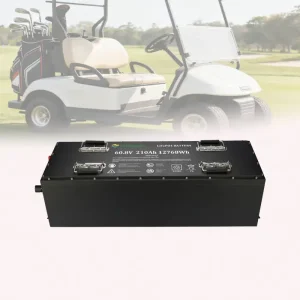
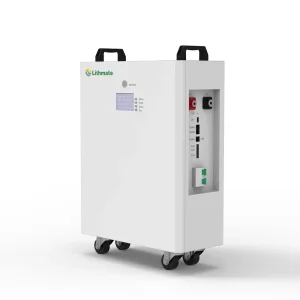
Importing large-format battery packs requires managing strict international shipping regulations and navigating import tariffs. Lithmate provides structured logistics support for businesses across the West Coast, ensuring all shipments comply with dangerous goods regulations (Class 9 hazardous materials classification).
By routing shipments through key West Coast maritime facilities—including the Port of Oakland, the Port of San Francisco, and the Port of Los Angeles—we optimize transit times and minimize inland freight costs. Every batch we export includes complete documentation: UN38.3 test summaries, Material Safety Data Sheets (MSDS), sea shipment declaration certificates, and custom packaging designs developed to resist mechanical stress during transport.
We work closely with local US customs brokers to verify tariff codes (HTS classification codes) and ensure compliance with Section 301 rules, helping procurement teams plan total landed costs accurately and avoid unexpected processing delays at the port.
We structure production runs to align with your assembly timelines. Whether you operate on a Just-In-Time (JIT) scheduling model or require bulk container shipping, our logistics team coordinates delivery schedules to match your local production flow. We also offer buffer stock storage options to help mitigate transport disruptions.
Technical answers to key integration, regulatory, and logistics questions from fleet engineers and procurement managers.
Our battery systems are built using cells that carry UL 1642 and UL 1973 certifications. The integrated Battery Management System (BMS) offers safety protections against over-voltage, under-voltage, over-current, and extreme temperature conditions. Complete certification paperwork is provided to assist with local zoning approvals and safety compliance audits.
Standard manufacturing timelines run between 3 to 4 weeks following final approval of technical drawings. Ocean transit to the Port of San Francisco or Port of Oakland typically takes 18 to 22 days. Expedited air shipping is available for smaller prototype batches.
Yes. Our technical team regularly programs custom communication interfaces (CANopen, J1939, Modbus, RS485) to ensure seamless integration with your existing vehicle controllers, display units, and diagnostic software.
Sodium-ion systems feature outstanding low-temperature performance, maintaining high capacity and starting currents down to -40°C. They also present a lower material cost profile, making them an excellent choice for starting applications in cold conditions.
Our warranty covers component defects, BMS issues, and capacity degradation outside of normal wear. We provide replacement parts, replacement modules, or complete assembly rebuilds. Our technical support team is available 24/7 to coordinate diagnostics and replacement shipments.
Our forklift battery series is designed to accept high-rate charge currents without damage. Operators can plug in vehicles during breaks or lunch periods, eliminating the need for battery swaps and enabling continuous multi-shift operations.
Yes. We support custom development paths for small-scale pilot runs. Our engineers work with you to finalize mechanical drawings, prototype casings, and customized BMS parameters before scaling up to mass production.
Every battery pack undergoes automated safety checks: high-potential (hipot) isolation tests, charge/discharge capacity verification, cell balance monitoring, BMS sensor validation, and simulated load testing to ensure field reliability.
 Lithmate