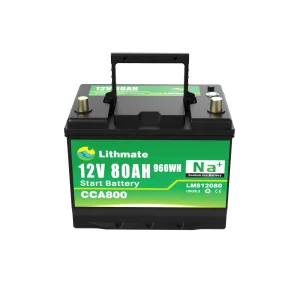
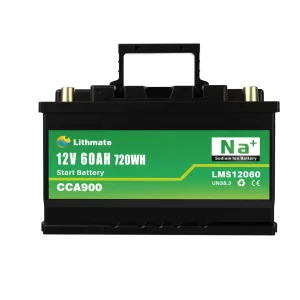
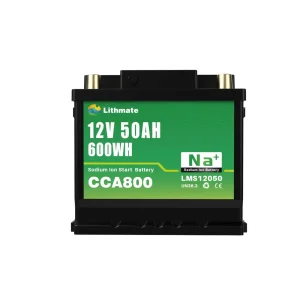
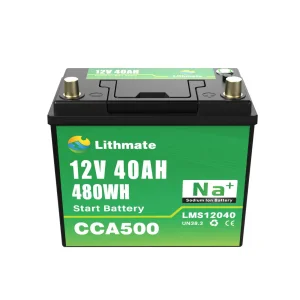
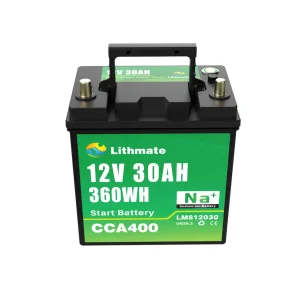
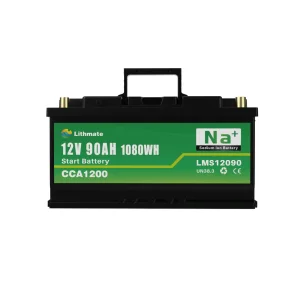
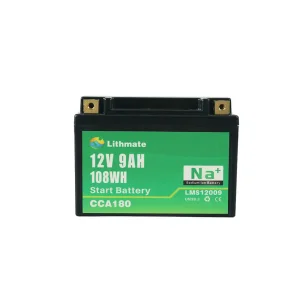
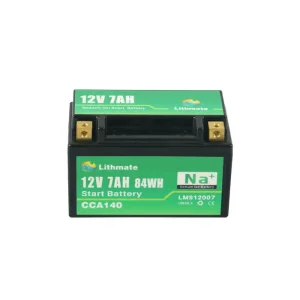
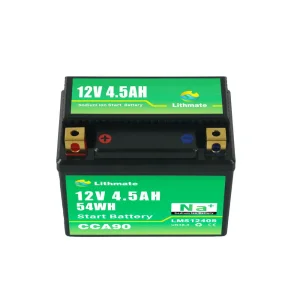
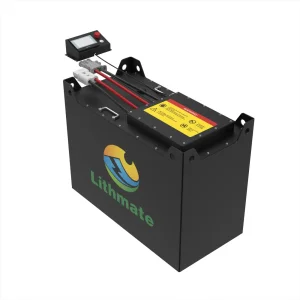
High-performance Sodium-ion cranking batteries optimized for tropical climates.
As Malaysia accelerates its National Energy Transition Roadmap (NETR), the automotive and industrial sectors are facing a pivotal shift. Traditionally dominated by lead-acid and emerging lithium technologies, the market is now demanding solutions that address the specific challenges of the Southeast Asian environment: extreme humidity, high ambient temperatures, and the need for cost-effective sustainability.
Sodium-ion (Na-ion) technology represents a quantum leap for Malaysia. Unlike traditional lithium-ion batteries, Sodium-ion start batteries utilize abundant raw materials, significantly reducing supply chain vulnerability. For the Malaysian market—spanning from the bustling streets of Kuala Lumpur to the demanding maritime routes of the Malacca Strait—Sodium-ion offers a unique value proposition: superior thermal stability and a lower cost-per-cycle.
For decades, the "starting, lighting, and ignition" (SLI) market in Malaysia has relied on lead-acid batteries. However, the Information Gain provided by Na-ion technology is undeniable. Lead-acid batteries suffer from rapid degradation in tropical heat, often failing within 12-18 months. Sodium-ion start batteries, engineered with advanced hard carbon anodes and sodium-transition metal oxide cathodes, offer 3-4 times the lifespan.
Furthermore, the Cranking Capability (CCA) of Sodium-ion is exceptional. In the context of Malaysia’s heavy-duty logistics—trucks traversing the North-South Expressway—the ability to provide consistent high-current bursts without voltage sag is critical. Our Sodium-ion cells maintain 90% capacity even in high-heat scenarios that would cause lithium-ion to trigger safety throttles.
Lithmate’s manufacturing prowess is rooted in the Industry 4.0 paradigm. Located in the heart of China’s battery innovation hub, our facility integrates fully automated AI-driven assembly lines. This ensures that every battery shipped to our Malaysian partners meets rigorous ISO 9001 and UN38.3 standards.
We understand the importance of Supply Chain Resilience. By sourcing sodium—an element vastly more abundant than lithium—we insulate Malaysian distributors from the volatile price fluctuations of the global lithium market. Our "China-Malaysia Green Corridor" logistics ensures a 3-4 week delivery window, supported by comprehensive local compliance documentation for SIRIM and other local regulatory bodies.
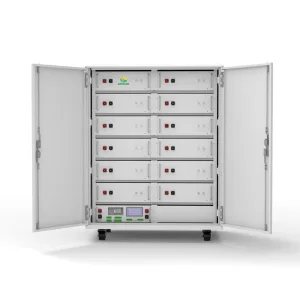
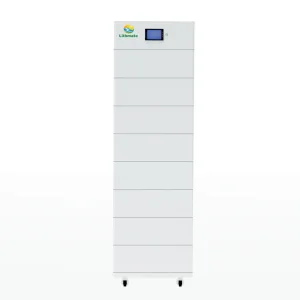
Our commitment to Malaysia extends beyond passenger cars. We provide macro-scale solutions for:
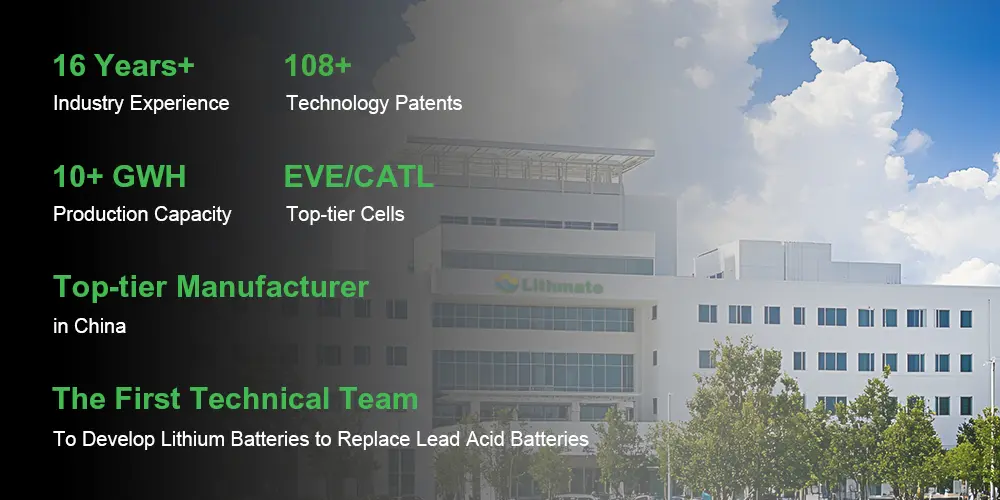
Lithmate is a professional lithium and sodium-ion battery manufacturer. Our factory operates in full compliance with ISO 9001 standards, and all products meet multiple international safety certifications, including CE, UL, UN38.3, RoHS, and IEC. We are committed to continuously advancing battery pack technology for the global market, with a special focus on the ASEAN region.
From micro-mobility to industrial energy storage, our range covers every Malaysian power need.
Entering the Malaysian market requires more than just high-quality hardware. It requires a partner who understands the regulatory landscape. Lithmate provides full support for local customs clearance, MSDS documentation, and technical training for Malaysian engineers. Our batteries are designed to be "Drop-in Replacements," meaning they fit the standard BCI and DIN sizes used in Malaysia without requiring vehicle modifications.
A: Sodium-ion has a much wider thermal operating window. While lithium batteries can degrade if kept at high temperatures, Na-ion maintains chemical stability up to 80°C, making it safer and longer-lasting in tropical climates.
A: Yes, our batteries include an integrated Battery Management System (BMS) that allows them to be charged by standard automotive alternators, just like a lead-acid battery.
A: Sodium-ion batteries are much more eco-friendly. They do not contain cobalt, copper, or lithium, making the recycling process simpler and the overall environmental footprint smaller.
A: Under the National Automotive Policy (NAP), energy-efficient vehicles and their components often qualify for various tax exemptions. Sodium-ion, as a sustainable tech, aligns perfectly with these green incentives.
Consult with our senior technical team for a customized Sodium-ion transition roadmap.
Request a Quote & Technical Data Sheet Lithmate