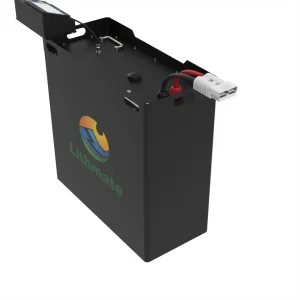
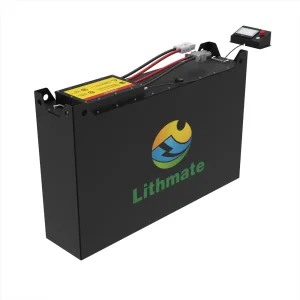
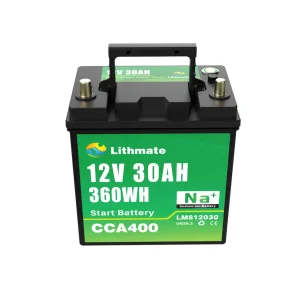
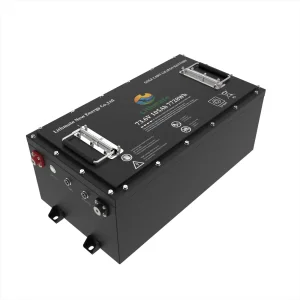
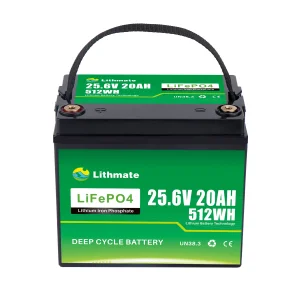
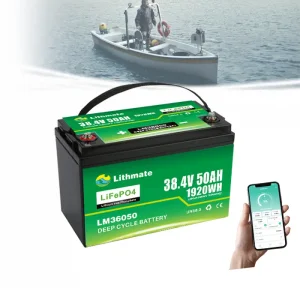
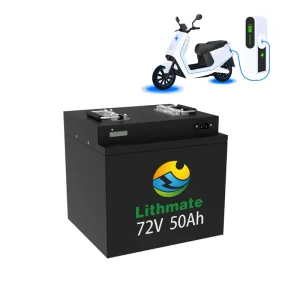
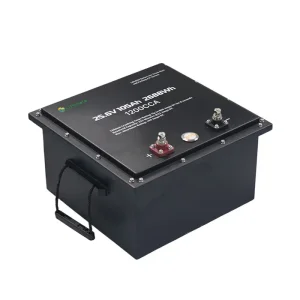
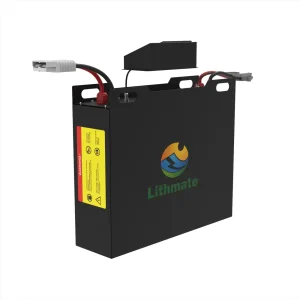
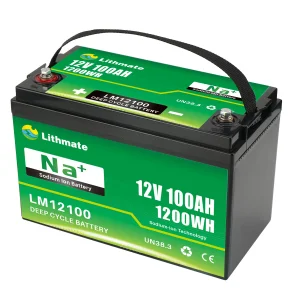
Decoding the shift from traditional lead-acid to high-density Lithium Iron Phosphate (LiFePO4) systems.
In the post-pandemic era, the demand for 24V 100Ah batteries has surged by 40% annually. Industrial automation, AGV adoption, and the electrification of marine vessels are the primary drivers. Procurement teams from North America and Europe are increasingly seeking "Tier 1" quality with factory-direct transparency.
Compared to lead-acid counterparts, a high-quality 24V 100Ah lithium battery offers 10x the cycle life (up to 6,000 cycles), 1/3 the weight, and zero maintenance. This "energy density leap" translates directly into lower Total Cost of Ownership (TCO) for enterprises.
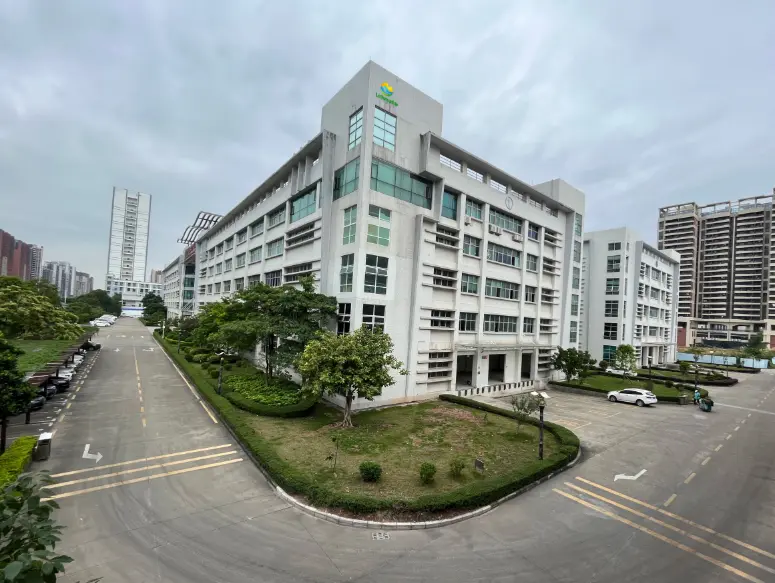
Modern Chinese factories like Lithmate New Energy have transitioned to "Factory 4.0". This involves automated laser welding, AI-driven cell matching, and integrated MES (Manufacturing Execution Systems) to ensure every 24V 100Ah pack meets stringent ISO 9001 standards.
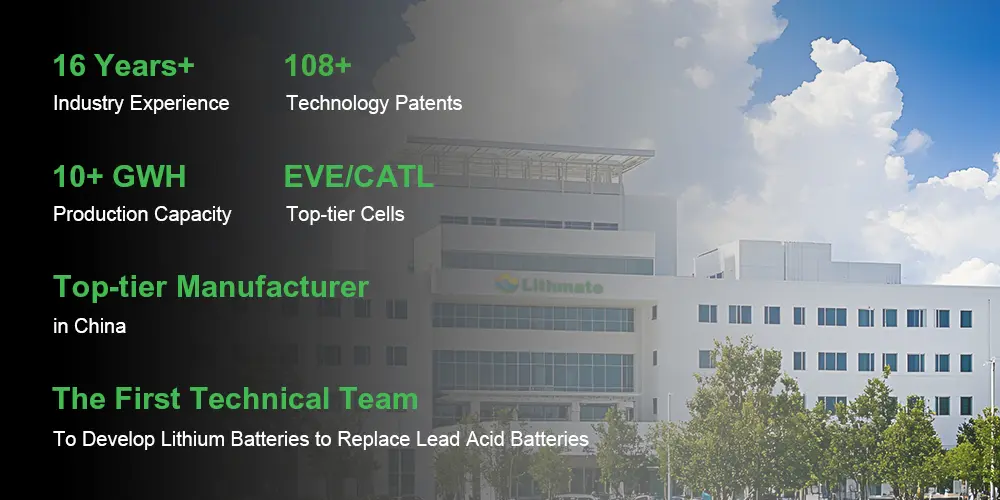
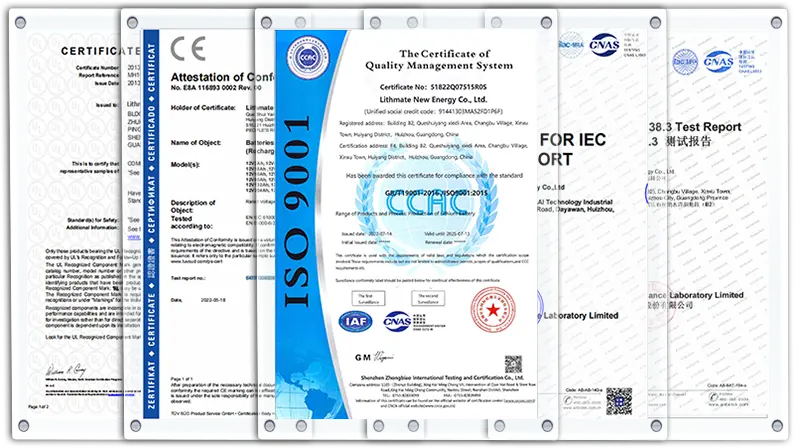
As a professional lithium battery manufacturer, our factory operates in full compliance with ISO 9001 standards, and all products meet multiple international safety certifications, including CE, UL, UN38.3, RoHS, and IEC. At Lithmate, we are committed to continuously advancing and improving lithium-ion battery pack technology.
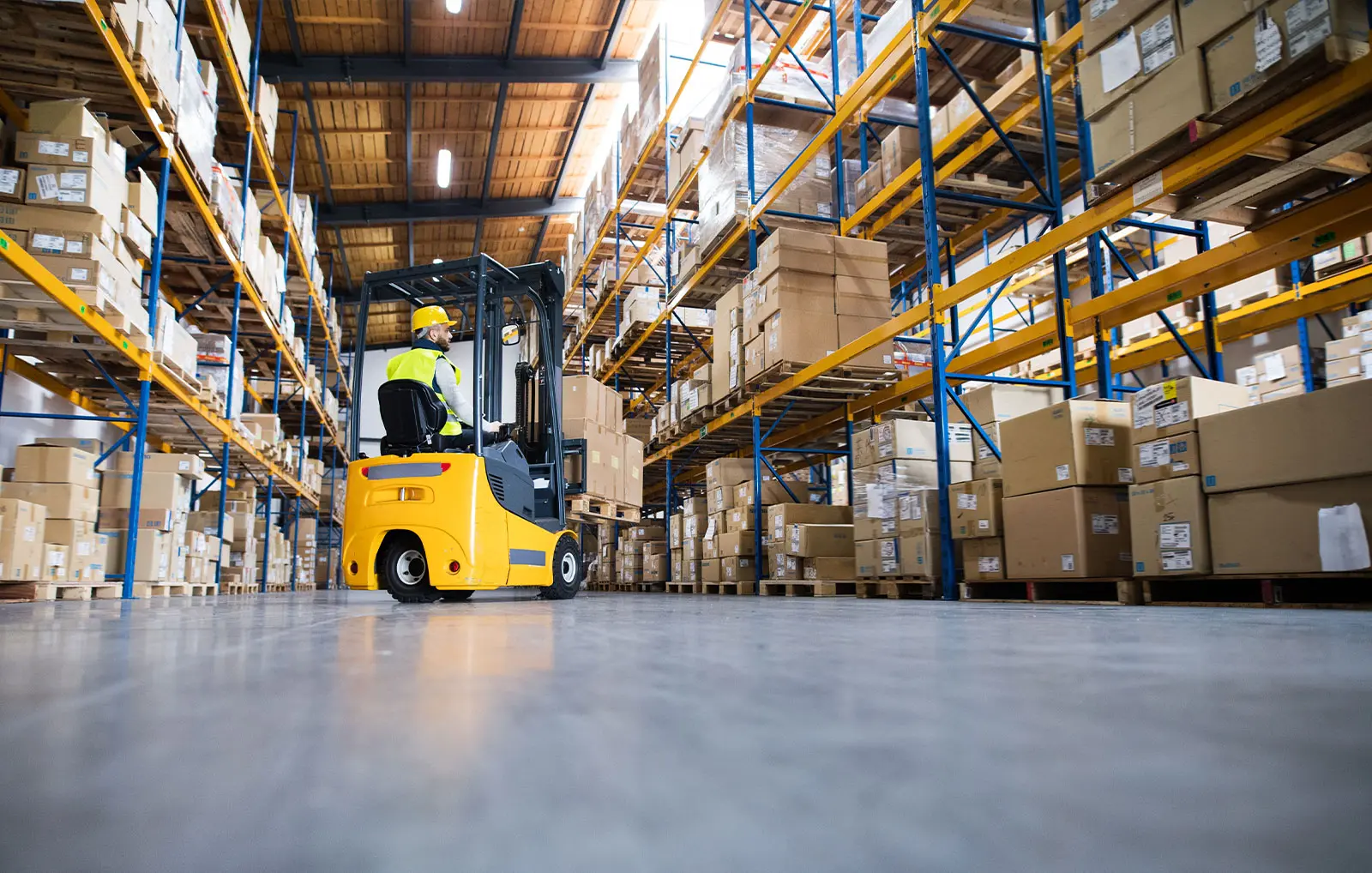
Our factory is equipped with fully automated and semi-automated production lines, along with advanced battery testing equipment and R&D laboratories. This allows us to support the entire manufacturing process—from research and design to module assembly and final testing—with high efficiency and reliability.
Why sourcing 24V 100Ah batteries from a vertically integrated factory matters.
We partner with EVE and CATL to source automotive-grade cells. For a 24V 100Ah configuration, cell consistency is the "Holy Grail". Our automated sorting systems ensure voltage and impedance deviation are kept within ±5mV and ±0.5mΩ.
The "Brain" of the battery. Lithmate's proprietary Battery Management System (BMS) offers Bluetooth monitoring, heating functions for cold climates, and CANbus/RS485 communication protocols for seamless industrial integration.
With 3-4 weeks delivery cycles, we bridge the gap between Asian manufacturing efficiency and local project deadlines. Our UN38.3 certified packaging ensures safe maritime and air freight transit.
Tailored 24V 100Ah solutions for diverse industrial and commercial environments.
Our products are fully certified with internationally recognized standards, including CE, UN38.3, MSDS, UL, IEC, and RoHS certifications. These ensure Lithmate batteries meet the highest global safety, quality, and environmental standards.
Leveraging cutting-edge technology, we have obtained over 100 patents in BMS and module structures. Recognized as a National High-tech Enterprise, we collaborate with renowned universities to drive the next generation of energy storage.




Addressing the critical concerns of procurement directors and engineering leads.
The primary advantage is cycle life. While lead-acid batteries last 300-500 cycles, our 24V 100Ah LiFePO4 battery provides over 4,000 cycles at 80% DOD. Additionally, the usable capacity of lithium is higher, as lead-acid shouldn't be discharged below 50% without damage.
Factory 4.0 integrates AI monitoring. If a single laser weld is off by 0.1mm, the system stops the line. This prevents the "hidden failure" points that manual assembly often misses, ensuring every battery pack is identical in performance.
Yes, our standard packs support up to 4 units in parallel (400Ah) and 2 in series (48V). Our BMS is specifically designed to balance currents between parallel packs to prevent one battery from working harder than others.
Lithium batteries are Class 9 Dangerous Goods. We provide a full set of UN38.3 test reports, MSDS, and sea/air transportation certificates. We offer FOB, CIF, and DDP terms depending on your regional logistics infrastructure.
Absolutely. We can customize the BMS (communication protocols like CAN/Modbus), the case (stainless steel vs. ABS), and even the cell chemistry (Sodium-ion for extreme cold vs. LiFePO4 for density).
 Lithmate