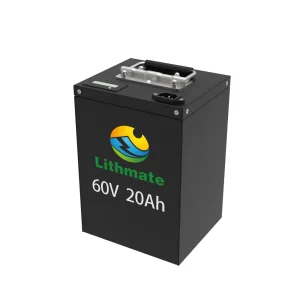
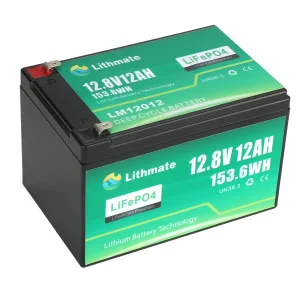
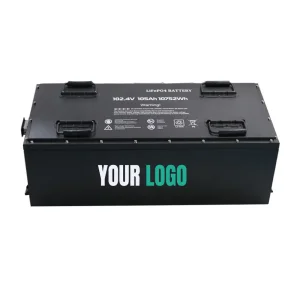
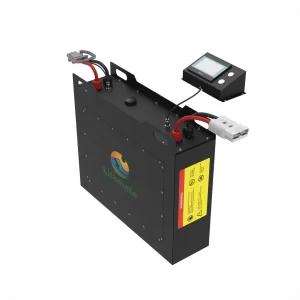
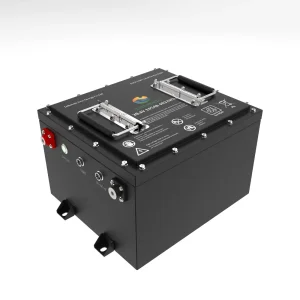
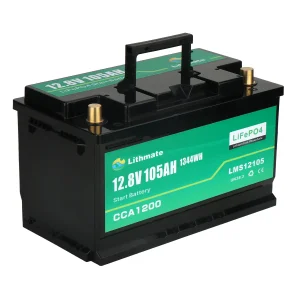
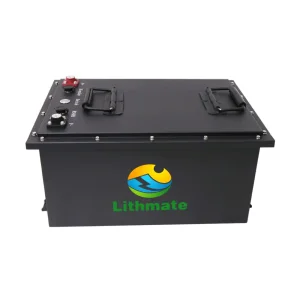
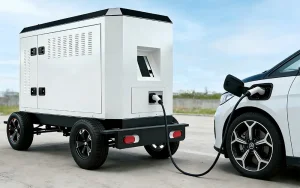
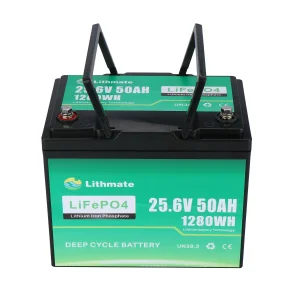
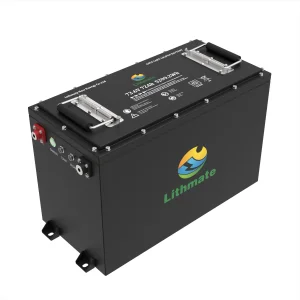
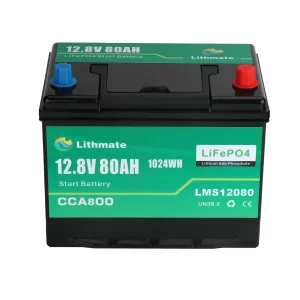
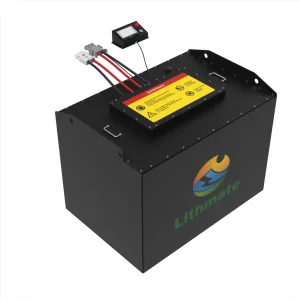
Explore our cutting-edge configurations tailored for industrial vehicles, marine propulsion, cold climates, and custom OEM applications.
Analyzing the Paradigm Shift in Material Handling Energy Infrastructure
Traditional lead-acid batteries demand 8 hours of use, 8 hours of charging, and 8 hours of cooling. Advanced LiFePO4 forklift battery designs bypass this limitation entirely. Facilitating rapid opportunity charging during breaks, these modern units allow material handling operations to run continuously across multi-shift patterns without battery swaps, minimizing operational disruptions.
Unlike legacy systems that present acid hazards, mandate regular watering, and call for dedicated ventilation setups, sealed lithium-ion chemistry remains completely maintenance-free. Integrated solid-state battery management systems (BMS) continuously keep cell temperatures, voltages, and balancing in check, ensuring compliant and reliable warehouse floor operations.
Multinational companies face growing regulatory pressure to decarbonize supply chains. Transitioning material handling fleets from internal combustion (IC) engines to advanced lithium battery technologies cuts greenhouse gas emissions, lowers local thermal output, and improves facility air quality.
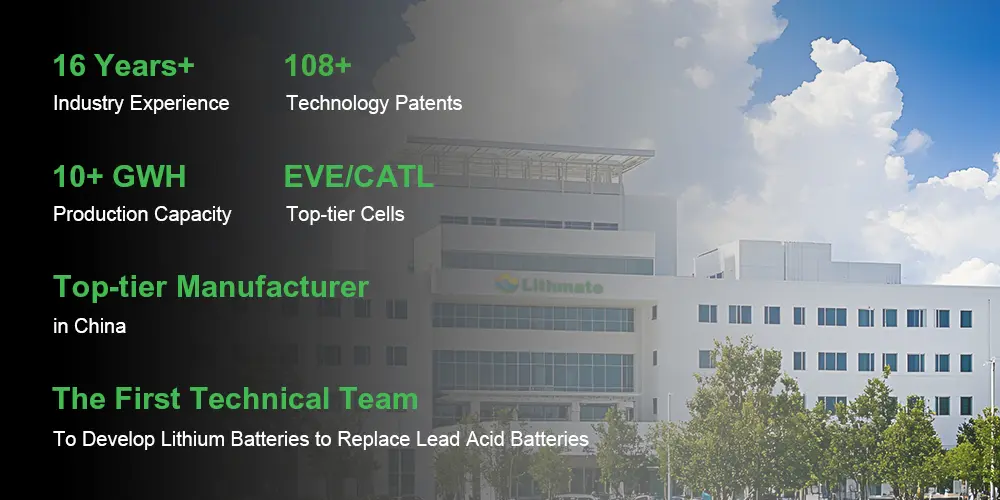
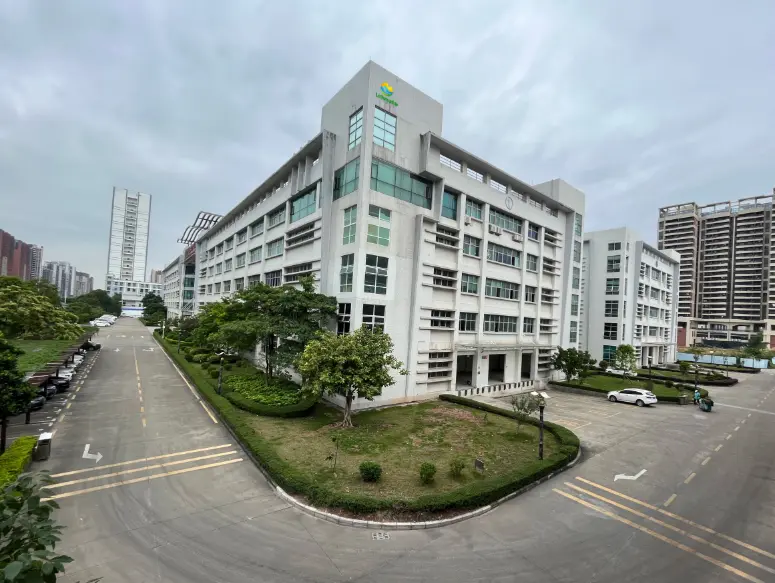
As a leading lithium battery manufacturer, our production facility operates in strict alignment with ISO 9001 quality management guidelines. Each unit leaving our line conforms to rigorous international safety and transport protocols, carrying CE, UL, UN38.3, RoHS, and IEC compliance marks. Lithmate remains focused on refining and advancing energy storage design, keeping pace with the demands of modern industrial operations.
Our infrastructure includes both automated and semi-automated production lines, paired with cell-level testing systems and specialized development laboratories. By keeping key design, module assembly, and quality assurance processes in-house, we maintain tight control over product reliability and consistency.
Years Industry Experience
Factory Size (Sqm)
Technology Patents
Cooperative Partners
Production Capacity
EVE / CATL Top Cells
Strategic Insights for Fleet Managers and Industrial Sourcing Operations
Global logistics operators rely on consistent battery sizing across diverse manufacturing layouts. We support multi-voltage (24V, 36V, 48V, 72V, 80V) configurations designed to drop directly into standard compartments, ensuring seamless retrofits for forklift brands worldwide.
Evaluating initial procurement costs against operating expenses is key. While lithium options represent a higher initial cost compared to lead-acid batteries, their 10-year service life, lower power draw, and lack of maintenance yield an ROI timeline of roughly 18 months in busy facilities.
Moving large lithium units requires adherence to global transport laws. Our design and assembly practices follow UN38.3 protocols, offering peace of mind for international freight forwarding, land transport, and customs clearance.
Reliable and Custom-Tailored Lithium Batteries Designed to Keep Industrial Operations Moving
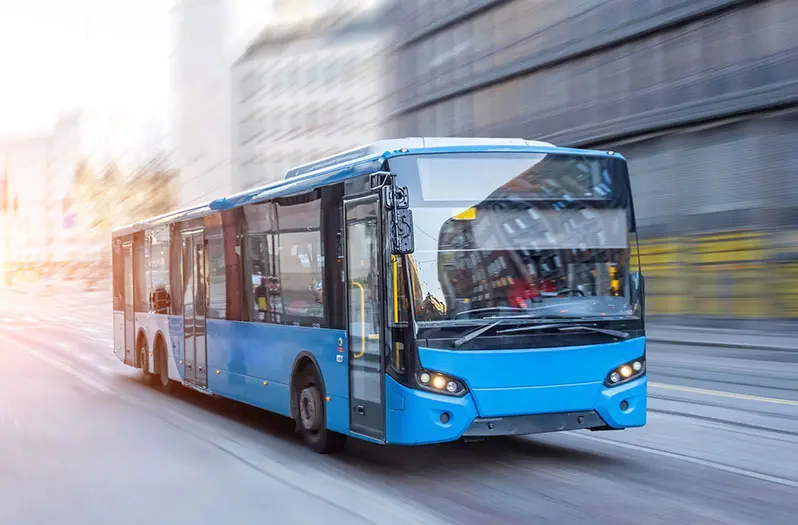
Our high-performance batteries provide consistent, reliable output for golf carts, automated guided vehicles (AGV), and low-speed utility fleets. We focus on energy density and efficiency to support seamless operations.

Engineered to handle moisture and constant movement, our marine units are offered in 12V to 96V setups, supplying clean, dependable power to fishing and utility vessels.
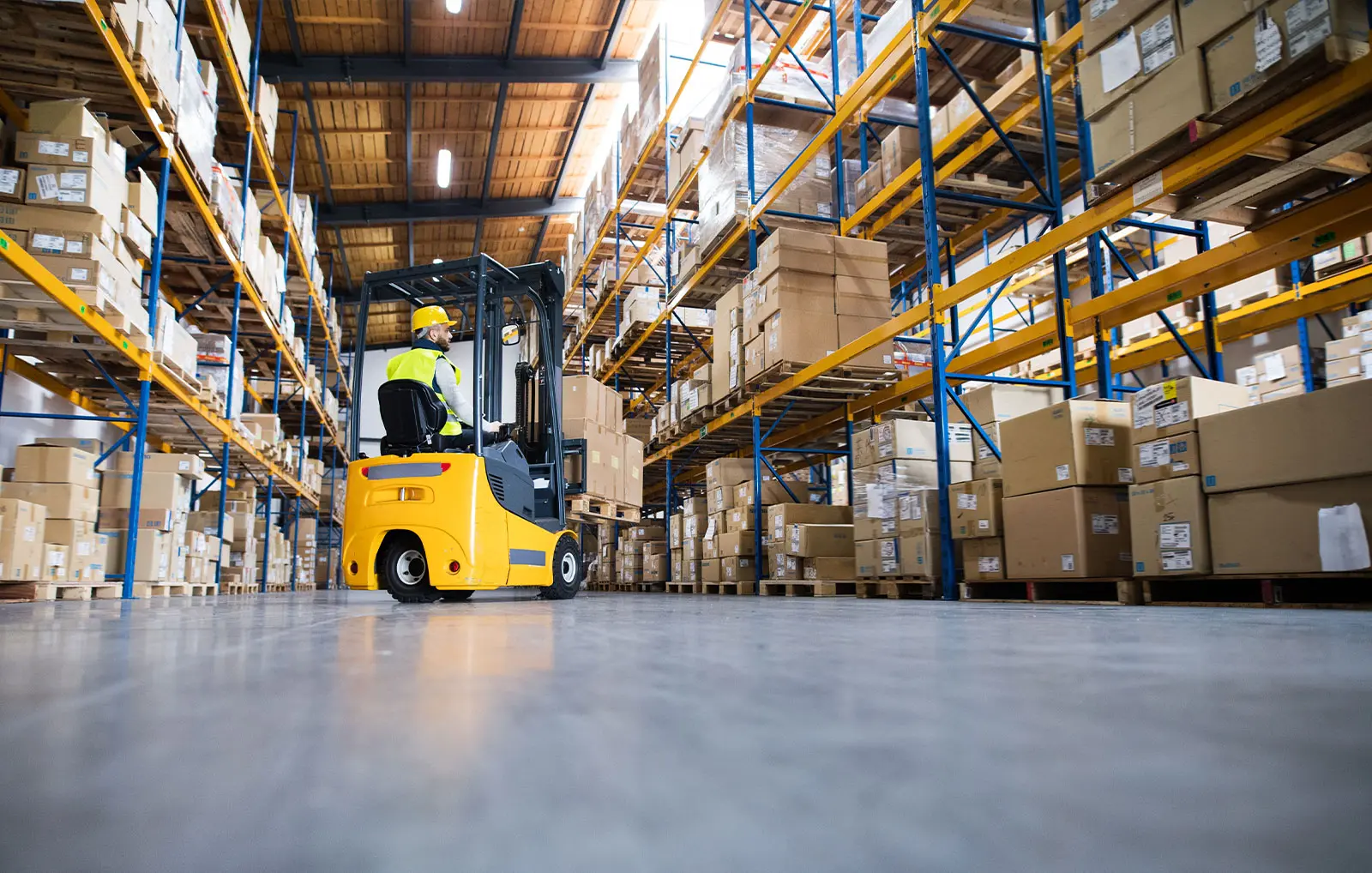
Built for demanding schedules, our batteries power forklifts, industrial sweepers, and access platforms—keeping downtime to a minimum and maximizing shifts.

Combining sodium-ion and LiFePO4 technologies, our starting batteries deliver reliable cold-cranking performance down to -40°C, suitable for transport fleets and utility vehicles.
How we are preparing next-generation energy storage platforms for industrial integration
Sodium-ion chemistry offers high stability at a lower raw material cost. We are refining these systems for use in low-temperature setups, providing steady performance where traditional lithium batteries face challenges in sub-zero climates.
The future of fleet tracking is software-driven. Our upcoming BMS modules feature CAN-bus connectivity and direct cloud-reporting options, giving facility managers real-time insights into state-of-health, cell temperatures, and charging cycles.
We are working toward cleaner lifecycles for our battery products. By designing modules that are easier to disassemble, we help retrieve battery components, supporting global efforts to recycle critical materials.
A reliable service framework to match our premium products
Our confidence in the build quality of our batteries is backed by a 7-year factory warranty. We use high-quality cells (from EVE and CATL) to ensure that the core energy storage system is built to last.
Unplanned downtime can disrupt operations. Our engineering support teams are available online to help you troubleshoot, diagnose, and maintain your battery fleets without delay.
We work to optimize lead times, offering production cycles of 3 to 4 weeks. Combined with our established shipping networks, we help ensure your project runs on schedule.
In-depth responses to direct inquiries from procurement professionals and industrial engineering teams.
LiFePO4 batteries offer several key advantages: a longer cycle life (3000 to 5000 cycles compared to 1500 for lead-acid), zero regular maintenance requirements, and faster charging capabilities. They are highly efficient, meaning less energy is lost as heat, which translates to lower utility costs.
Yes, our batteries are designed for cold climates. We configure low-temperature packs with integrated heating elements, allowing them to charge and discharge efficiently in temperatures down to -30°C. For extreme cold starting needs, we also offer specialized sodium-ion configurations.
Our Battery Management System (BMS) continuously monitors cell voltage, balance, and pack temperature. It protects the system by shutting down the battery if it detects overcharging, over-discharging, short circuits, or extreme temperatures, shielding your machinery from potential electrical issues.
International shipping of large lithium batteries requires compliance with UN38.3, MSDS, and CE certifications. Our products meet these standards, and we also secure UL, IEC, and RoHS approvals to ensure smooth import processes across European and North American ports.
Yes, our design team can customize the metal enclosures, overall weight, dimensions, and connectors to fit older or unique material handling equipment. This allows you to upgrade to modern lithium power without modifying your existing fleet assets.
Built with quality components from trusted industry names





Explore our additional customized options for golf carts, work platforms, starters, and high-voltage applications.
 Lithmate