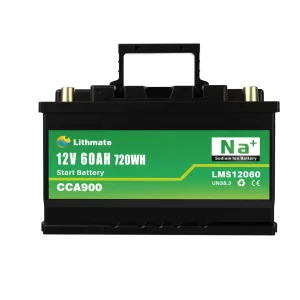
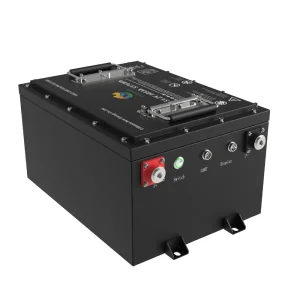
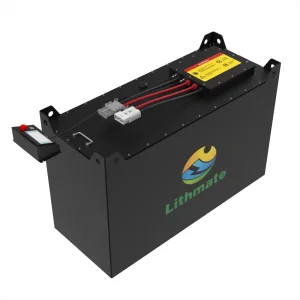
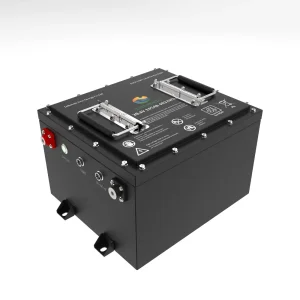
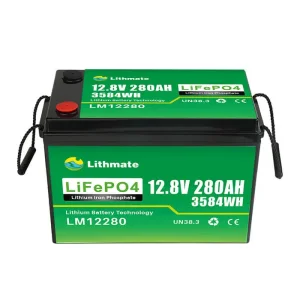
In the high-stakes world of maritime operations, the Marine Cranking Battery 12V 210Ah serves as the critical heartbeat of a vessel. Unlike standard automotive batteries, marine cranking units must overcome the dual challenges of high-surge ignition (Cold Cranking Amps) and the corrosive, vibration-heavy environments of open water. As a leading manufacturer, we are witnessing a paradigm shift from traditional lead-acid toward Lithium Iron Phosphate (LiFePO4) and Sodium-Ion technologies, driven by the demand for higher energy density and thermal stability.
A 210Ah capacity represents a strategic "sweet spot" for commercial fishing vessels, electric boats, and luxury yachts. It provides sufficient energy to crank large diesel engines while maintaining a buffer for auxiliary electronics (sonar, GPS, lighting). Our technical analysis shows that moving to a 12V 210Ah LFP configuration reduces weight by 60% compared to AGM batteries while extending cycle life from 500 to over 4,000 cycles.
Decarbonization of the maritime industry is no longer optional. Global regulations (IMO 2030) are pushing manufacturers to integrate smart BMS systems that allow for real-time monitoring of State of Charge (SoC) and State of Health (SoH).
The convergence of start-stop technology with deep-cycle capabilities allows the 12V 210Ah unit to act as a hybrid power source, eliminating the need for separate starter and house battery banks.
Global procurement now prioritizes localized support and compliance. With our ISO 9001 certified facilities, we ensure that every cell meets CE, UL, and UN38.3 standards for international transit.
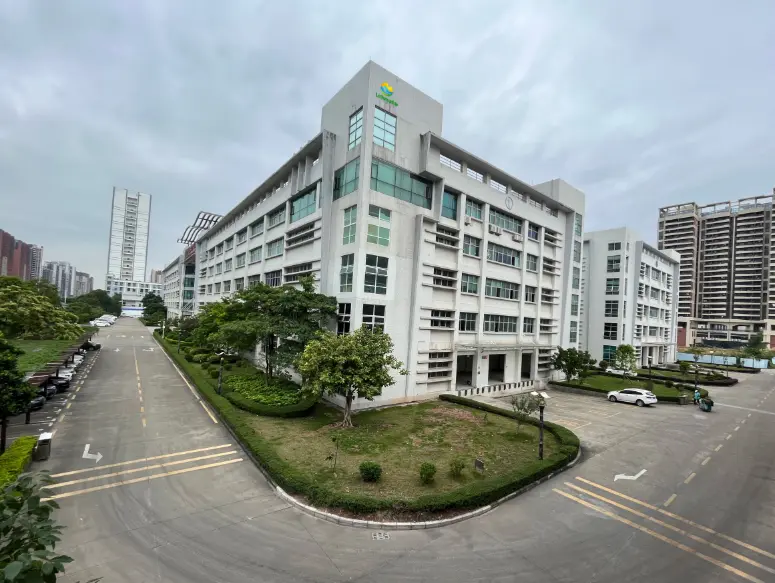
As a professional lithium battery manufacturer, our factory operates in full compliance with ISO 9001 standards. At Lithmate, we are committed to continuously advancing and improving lithium-ion battery pack technology. Our factory is equipped with fully automated production lines, ensuring high efficiency and reliability for 12V 210Ah marine solutions.
Years Experience
Factory Size
Annual Capacity
Global Partners
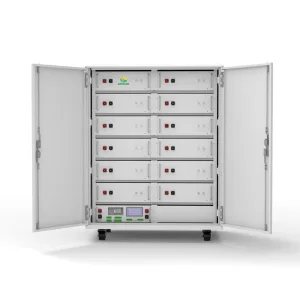
For large-scale shipping companies, we offer modular 12V 210Ah systems that can be paralled to form 400Ah to 1000Ah banks. This redundancy ensures that engine failure due to battery depletion is virtually eliminated.
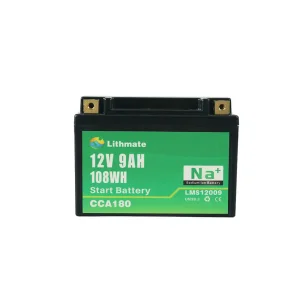
Our Sodium-Ion starting batteries are engineered for Arctic and high-latitude operations, maintaining 80% discharge capacity at -40°C, a feat lead-acid batteries cannot replicate.
We provide comprehensive MSDS and UN38.3 test reports for every batch, facilitating seamless customs clearance in the EU, North America, and Australia.
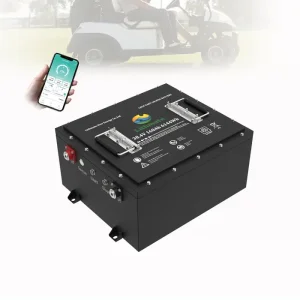
Integration of Bluetooth 5.0 and CANbus communication protocols into the 210Ah marine battery allows captains to monitor voltage, temperature, and cycle counts via smartphone apps or onboard NMEA 2000 displays.
We are currently in the R&D phase for semi-solid-state electrolytes which will further enhance the safety profile of high-capacity cranking batteries, making them virtually immune to thermal runaway even under physical puncture.
Lithmate is implementing a "cradle-to-cradle" program, ensuring that 95% of the lithium and copper from our 12V 210Ah batteries can be recovered and repurposed after their 10-year service life.
A marine cranking battery is designed to deliver a massive burst of energy for a few seconds to turn over an engine. The 210Ah rating ensures that even after multiple failed start attempts, there is plenty of residual energy for the ship's electronics. Our batteries feature high-current busbars and specific BMS tuning to handle surge currents up to 800A-1200A.
Yes. In fact, using a single 210Ah unit reduces wiring complexity, minimizes resistance points, and saves significant space and weight in the battery compartment.
Absolutely. Our batteries use LiFePO4 chemistry, which is inherently stable and does not off-gas like lead-acid batteries. They do not require ventilation and are certified under UL1973 for safety.
We provide full white-labeling services, custom casing colors, and specialized BMS firmware adjustments. Our engineering team acts as an extension of your product development department to ensure the battery fits the specific electrical load profile of your vessels.
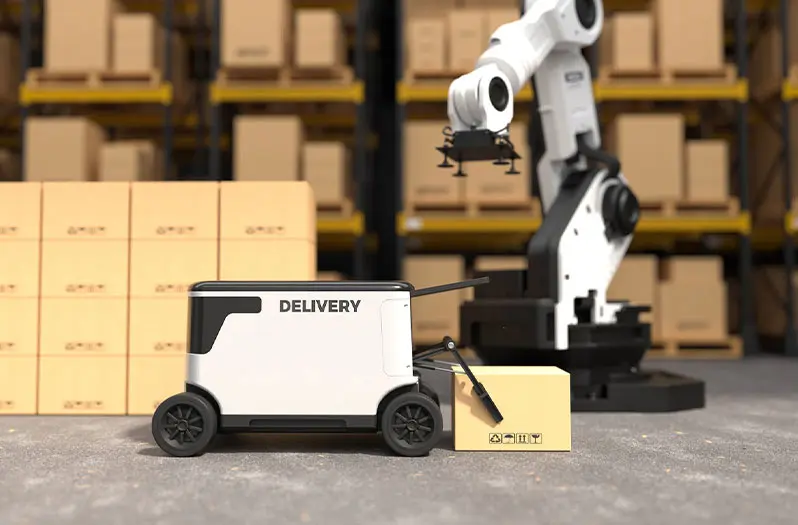
Automated guided vehicles requiring 24/7 reliability and rapid opportunity charging.
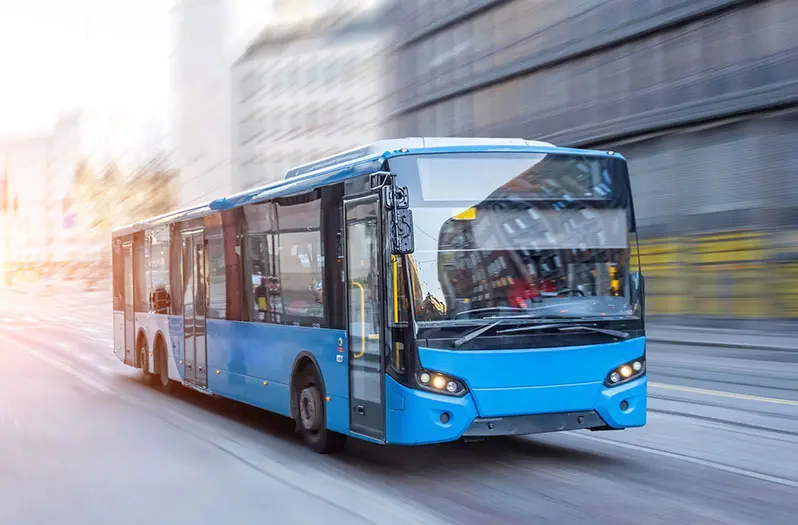
High-performance batteries for 36V, 48V, and 72V electric vehicle fleets.

Robust power for fishing boats, yachts, and electric propulsion systems.

LiFePO4 solutions for material handling that reduce maintenance by 100%.
 Lithmate