In the global landscape of energy transition, the reliance on lithium-based technologies has encountered significant headwinds, including supply chain vulnerabilities, price fluctuations of raw minerals, and safety constraints in extreme environments. Sodium-ion (Na-ion) battery systems have emerged not merely as a cost-effective alternative, but as a robust, chemically stable, and highly adaptable solution for industrial, marine, and grid-scale applications.
The 24V configuration remains a cornerstone electrical standard for low-speed electric vehicles (LSVs), automated guided vehicles (AGVs), marine auxiliary systems, and industrial sweepers. Transitioning these systems to sodium-ion chemistry demands a deep understanding of cell electrochemistry, precision Battery Management System (BMS) integration, and structural housing customizations. This technical brief details the core advantages and custom parameters available through Lithmate's advanced manufacturing capabilities.
Unlike lithium, which depends on scarce cobalt, nickel, and lithium deposits, sodium-ion batteries utilize widely available sodium carbonate as a primary precursor. From an electrochemical standpoint, sodium-ion cells leverage a sodium-transition metal oxide or Prussian blue analogue cathode paired with a hard carbon anode. This combination yields key structural advantages:
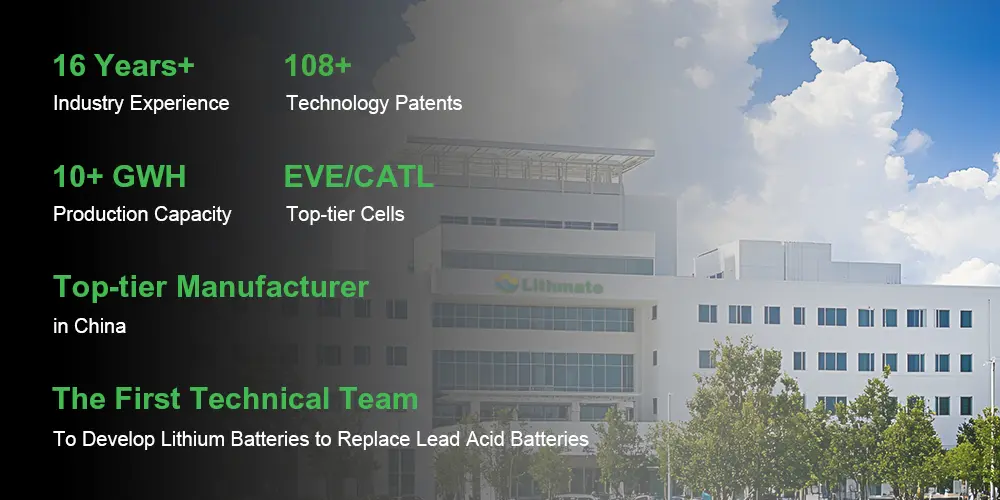
State-of-the-Art Factory Floor
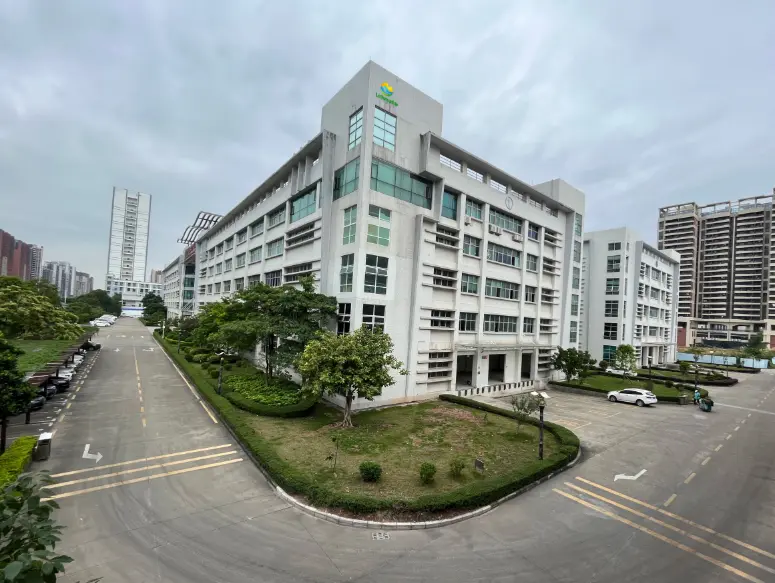
R&D Laboratory Testing
Selecting the optimal power system requires direct comparison of key parameters across active chemistries. The table below outlines how custom-engineered 24V sodium-ion packs compare to LiFePO4 and traditional Lead-Acid options:
| Parameter | Lithmate Sodium-Ion (Na-ion) | Lithium Iron Phosphate (LiFePO4) | Lead-Acid (AGM/Gel) |
|---|---|---|---|
| Nominal Pack Voltage | 24.0V (10S Configuration) | 25.6V (8S Configuration) | 24.0V (2S 12V Series) |
| Operating Voltage Range | 15.0V - 30.0V | 20.0V - 29.2V | 21.0V - 28.8V |
| Energy Density (Cell Level) | 120 - 160 Wh/kg | 160 - 210 Wh/kg | 30 - 45 Wh/kg |
| Cycle Life (80% DoD) | > 3,500 Cycles | > 5,000 Cycles | 400 - 800 Cycles |
| Temperature Range (Discharge) | -40°C to +60°C | -20°C to +60°C | -15°C to +50°C |
| 0V Storage Safety | Yes (Safe to store at 0% SOC) | No (Permanent damage risk) | No (Sulphation risk) |
For operations in regions with extreme winter climates—such as the Northern United States, Canada, Northern Europe, and cold-chain storage facilities—standard lithium batteries suffer from drop-offs in discharge efficiency and cannot be charged below freezing without heater elements. Sodium-ion batteries solve this operational bottleneck, allowing forklift and AGV fleets to run continuously without climate-controlled charging rooms.
 AGV/AMR Automation
Our custom 24V packs feature continuous rapid-charging profiles that allow automatic guided vehicles to quickly charge during short stops, maximizing operational uptime in multi-shift warehousing environments.
 Material Handling
Designed for pallet jacks and heavy-duty forklifts, these robust systems deliver steady power under demanding cycles, reducing fleet maintenance overheads and overall energy consumption.
 Marine & Fishing Vessels
IP67-rated waterproof 24V sodium-ion batteries provide robust backup power for marine electronics and electric propulsion engines, working reliably in high-humidity marine conditions.
 Extreme Starting Batteries
With high cold-cranking performance down to -40°C, our custom starting packs provide instant starting current for heavy machinery and trucks in harsh arctic conditions.
 Golf Carts & Utility Vehicles
A maintenance-free drop-in replacement for lead-acid blocks, offering a longer cycle life and consistent voltage throughout discharge cycles for low-speed electric vehicles.
As a leading OEM/ODM battery manufacturer, Lithmate integrates state-of-the-art Chinese manufacturing efficiencies with high-end global safety compliance. We operate in full compliance with ISO 9001, providing complete traceability from raw material selection to final delivery.

Every custom 24V sodium-ion pack is thoroughly certified under CE, UL, UN38.3, RoHS, and IEC, ensuring worry-free customs clearance and operation worldwide.

Our dedicated engineering team designs custom Battery Management Systems to protect against overcharge, deep discharge, overcurrent, and thermal anomalies.

We provide end-to-end white-label and custom manufacturing services, offering customized enclosures, connector types, communication protocols (CANbus/Modbus/RS485), and customized branding.
We maintain active R&D partnerships with leading energy storage institutes and collaborate with key industrial clients globally, ensuring continuous technology iteration and rapid supply chains.





A nominal 24V sodium-ion pack is typically configured in a 10S arrangement (10 cells in series), yielding a nominal voltage of 24.0V based on a nominal cell voltage of 2.4V. LiFePO4 systems typically use an 8S setup resulting in a 25.6V nominal voltage. Our custom engineering department optimizes the BMS to match the voltage range of your application.
Yes, one of the major advantages of sodium-ion battery chemistry is the safety of 0V storage. Unlike lithium batteries, which degrade or pose safety hazards if completely discharged, sodium-ion packs can be completely discharged to 0V without damaging the cathode structure or the aluminum current collectors. This makes shipping and warehousing safe and cost-effective.
Sodium-ion cells display excellent low-temperature kinetics. At -20°C, our custom 24V sodium-ion packs retain over 80% of their nominal capacity and can deliver high discharge currents. They can operate safely down to -40°C, which is well below the performance envelope of standard lithium chemistries.
Depending on the customized cell architecture and thermal management setup, our sodium-ion batteries support rapid charging up to 3C-5C continuous rates. This allows for a 0% to 80% charge in 15 to 20 minutes, making them ideal for high-utilization AGV and material handling applications.
Sodium-ion batteries are slightly heavier than LiFePO4 batteries of equivalent energy capacity, with cell-level energy densities averaging 120-160 Wh/kg compared to 160-210 Wh/kg for LiFePO4. However, they are still up to 70% lighter than traditional lead-acid equivalents, providing a significant weight advantage for industrial and marine applications.
 Lithmate