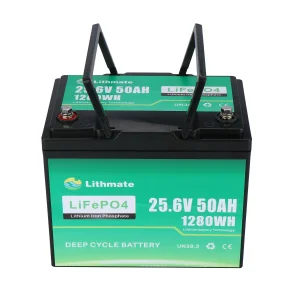
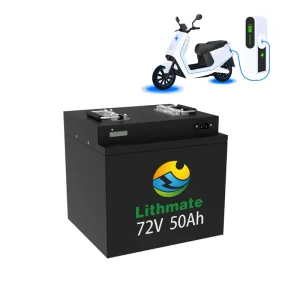
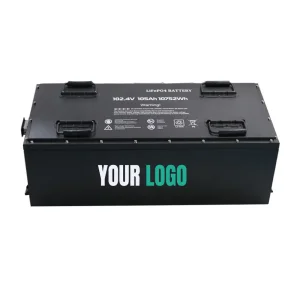
The global aviation industry is under intense pressure to minimize carbon emissions, with airport runways and aprons serving as prime targets for zero-emission transformations. Ground Support Equipment (GSE), specifically baggage towing tractors, operates under demanding duty cycles characterized by continuous stop-and-go movements, heavy load hauling, and exposure to volatile outdoor weather environments. Historically powered by diesel engines or lead-acid batteries, modern airports are rapidly converting to Lithium Iron Phosphate (LiFePO4) technology to meet operational, economic, and environmental targets.
This whitepaper details the state of global GSE electrification, the performance benefits of advanced customized lithium chemistry, the economic advantages of sourcing from expert Chinese manufacturers, and the direct engineering parameters needed by procurement managers to transition ground fleets safely and efficiently.
Ground support operations constitute a significant portion of an airport's overall Scope 1 emissions. Among the mobile GSE fleet, airport baggage tractors (tugs) operate almost 24/7, transferring thousands of tons of luggage and cargo between passenger terminals and aircraft cargo bays. The transition to battery-electric propulsion is no longer just a sustainability goal; it is a critical mandate driven by federal legislation, IATA regulations, and the Net-Zero Airports initiatives.
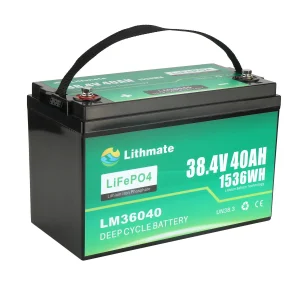
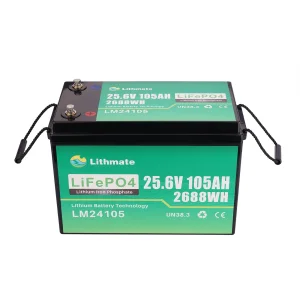
Lead-acid batteries, which previously powered early electric tug designs, are failing to keep pace with the modern aviation industry's high-turnaround speeds. Their lengthy charging cycles (typically 8 hours of charge followed by 8 hours of cooling), rapid degradation in extreme temperatures, and high maintenance needs (requiring constant watering and specialized ventilation rooms) present persistent bottlenecks. Conversely, custom LiFePO4 (Lithium Iron Phosphate) battery solutions support opportunity charging during pilot breaks, provide steady voltage discharge regardless of state-of-charge (SoC), and offer over 3,000 to 4,000 deep discharge cycles at 80% Depth of Discharge (DoD).
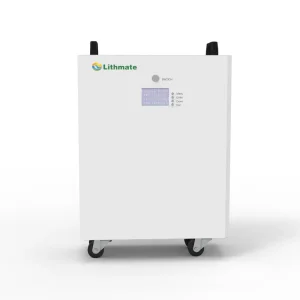
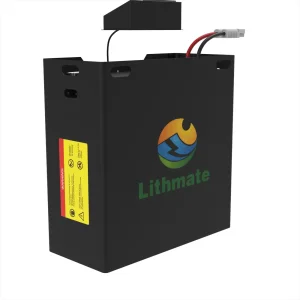
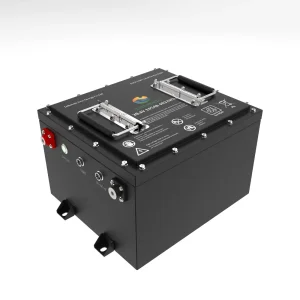
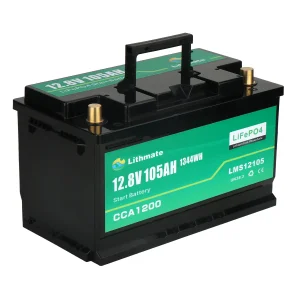
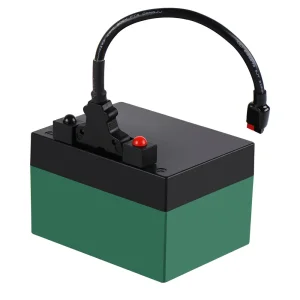
Unlike standard off-the-shelf traction batteries, airport baggage tractors demand customized power systems designed to handle severe physical shock, continuous heavy vibration, and outdoor ambient temperature extremes ranging from -20°C in winter locations to over 50°C on hot summer runways. Our structural engineers design robust sheet metal enclosures with IP65 to IP67 ingress protection, ensuring water and dust resistance on damp, unsheltered tarmacs.
Additionally, our proprietary Smart Battery Management System (BMS) interfaces seamlessly with the tractor's motor controllers via CAN-bus communication protocols, safeguarding the pack against over-discharge, over-charging, short circuits, and thermal runaway. Dynamic cell-balancing algorithms guarantee that each top-tier cell (supplied directly by EVE and CATL) operates inside its optimal safety zone, maximizing lifespan and capacity retention.
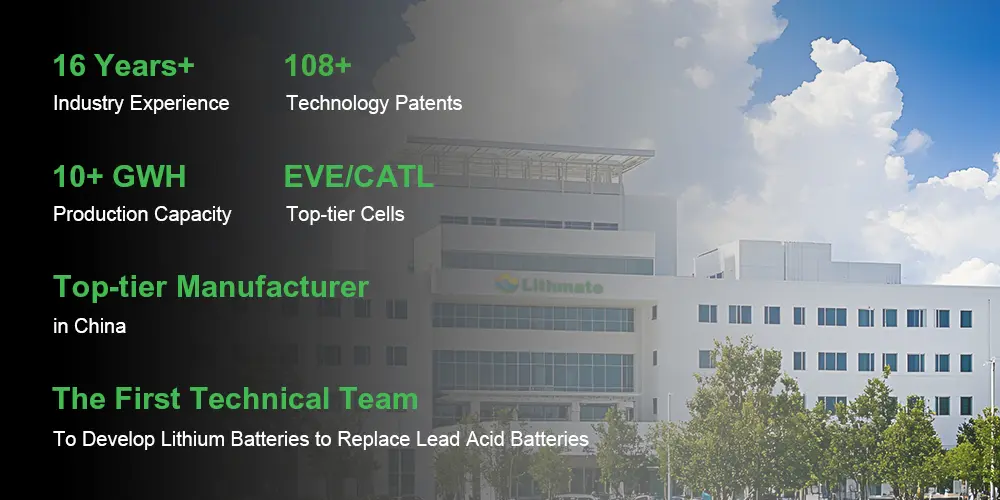
As a leading pioneer in energy innovation, Lithmate New Energy Co., Ltd. continuously refines chemical formulations, cell integration architectures, and software interfaces to build industry-leading products. Here are the core highlights of our manufacturing and engineering capability:
By shifting to our specialized LiFePO4 packs, ground handlers bypass lead-acid replacement cycles, saving significant overheads on energy bills, maintenance personnel, and spare parts inventory.
Support ultra-fast charging rates (up to 1C). The battery can be partially recharged during 15-minute scheduled driver shift changes or terminal loading windows, completely eliminating spare battery swapping.
Integrated microprocessors monitor temperature, current, voltage, State of Charge (SoC), and State of Health (SoH) metrics with real-time telematics reporting via J1939 protocols.
All battery packs are designed, tested, and certified to meet international regulatory standards including UN38.3, CE, UL, RoHS, MSDS, and IEC criteria.
Sourcing customized airport baggage tractor batteries directly from a leading Chinese manufacturer like Lithmate New Energy offers significant operational and pricing benefits. Based in China's high-tech battery clusters, we maintain direct strategic supply partnerships with tier-1 battery cell giants CATL and EVE. This guarantees that our customers receive freshly manufactured, premium-grade cells with minimal lead time and lower raw-material markups.
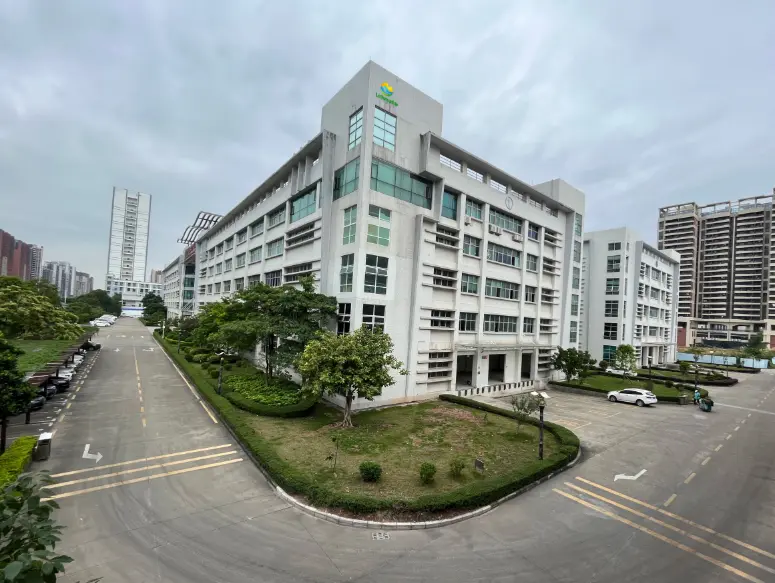
Our 15,000+ square meter factory operates under rigorous ISO 9001 quality management guidelines. We utilize semi-automated and fully automated production lines, laser welding configurations, automated cell sorting machinery, and rigorous aging-test chambers. Our R&D facility, in cooperation with prominent engineering universities and the Huizhou Power Battery Engineering Research Center, constantly drives lithium-ion improvements. By purchasing directly from our facility, airport operators and GSE distributors save up to 40% in middleman costs while gaining direct access to our 16+ years of battery pack engineering experience.
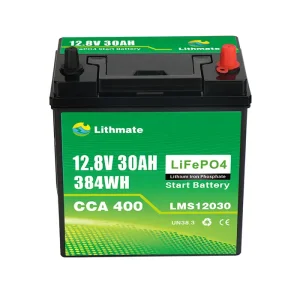
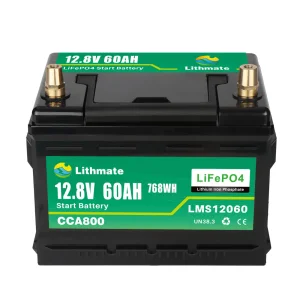
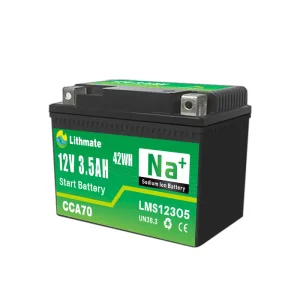
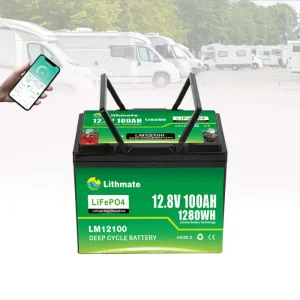
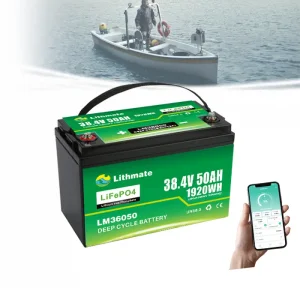
Our custom lithium-ion and starting battery systems are not only restricted to airport baggage tractors; they power a wide array of demanding cargo, maritime, and specialized industrial equipment globally.




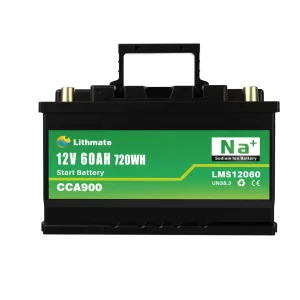
Whether navigating tight aisles inside automated cargo distribution warehouses or traversing wet runways under freezing temperatures, our customized batteries maintain high energy output. For instance, our low-temperature sodium-ion and custom LiFePO4 cells maintain over 85% of their nominal capacity at temperatures down to -20°C, ensuring that starting systems and propulsion packs do not fail in cold climates.





 Lithmate