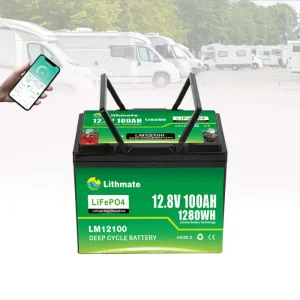
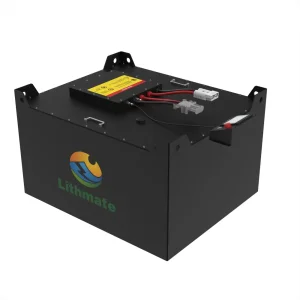
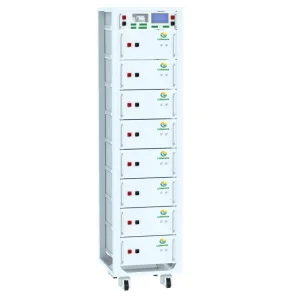
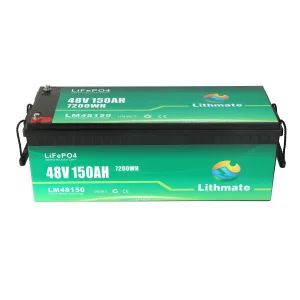
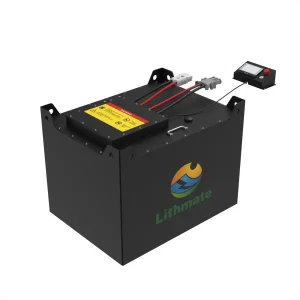
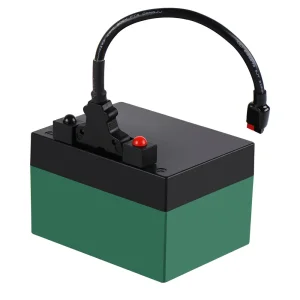
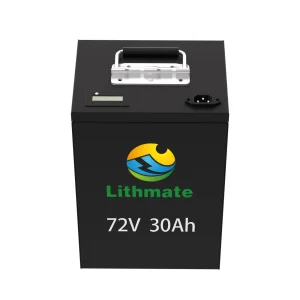
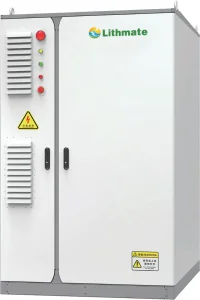
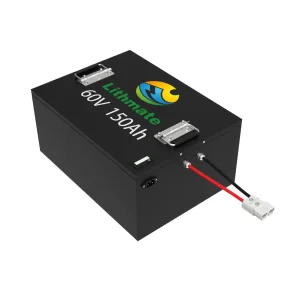
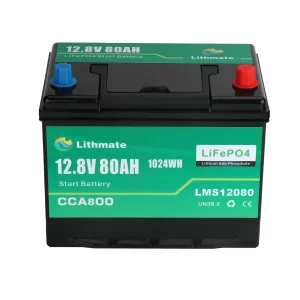
Engineered for high efficiency, durability, and seamless integration with smart industrial chargers.
Modern material handling operations demand maximum uptime, efficiency, and zero maintenance overhead. Across global supply chains, warehouses, and manufacturing plants, the transition from legacy lead-acid batteries to Lithium Iron Phosphate (LiFePO4) systems has initiated a technological revolution. However, the true bottleneck to optimizing a LiFePO4-powered fleet lies not only in the battery cells themselves but in the charging infrastructure.
As a leading forklift LiFePO4 battery charger factory, we address the critical components of high-frequency power conversion, multi-protocol BMS communication, and thermal management. This guide outlines how matching industrial grade LiFePO4 battery chargers with smart fleets reduces total cost of ownership (TCO), eliminates battery degradation, and maximizes operational throughput.
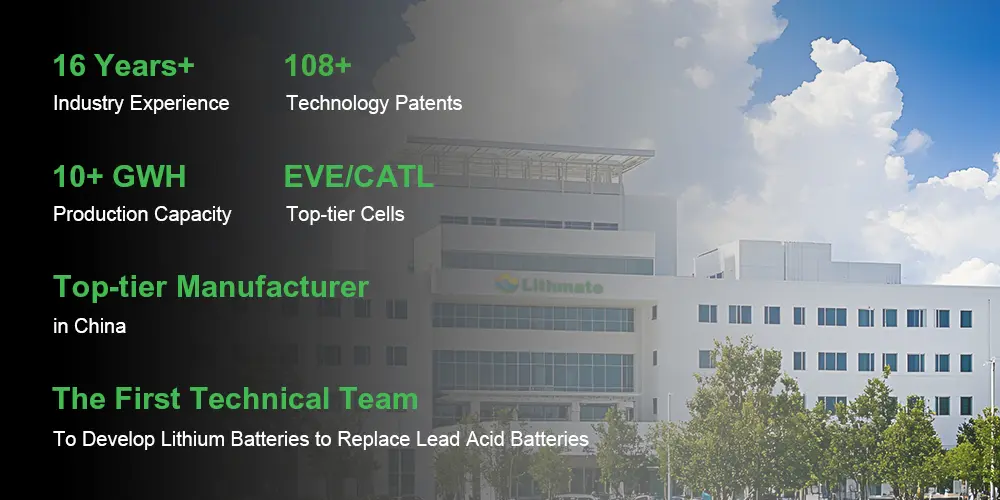
Your Trusted Global Power Partner for High-Performance Lithium Battery Systems & Chargers
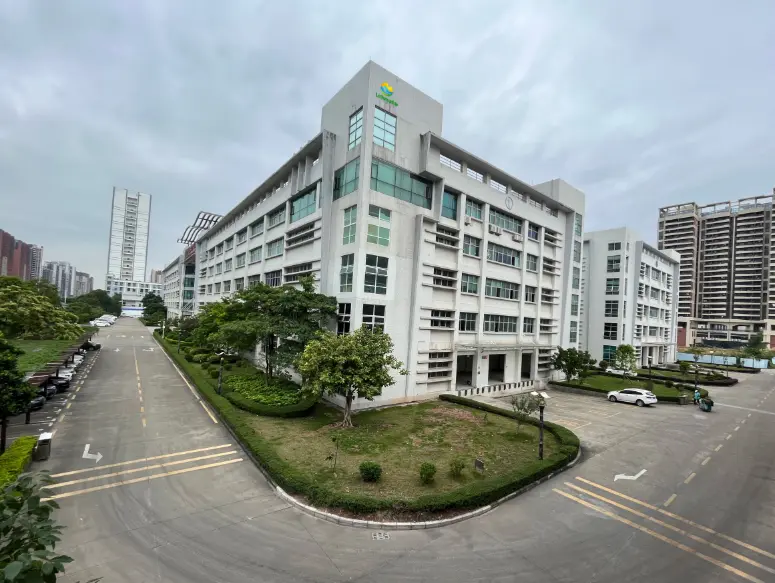
As an ISO 9001-certified pioneer in lithium technology development, Lithmate specializes in engineering fully integrated power solutions. Our facilities utilize state-of-the-art automated and semi-automated production lines to manufacture advanced LiFePO4 battery packs and high-efficiency smart chargers.
We operate in full compliance with rigorous international safety and transport parameters. By utilizing top-tier cells from industry-leading manufacturers such as CATL and EVE, we ensure that every solution deployed meets certifications including CE, UL, UN38.3, RoHS, and IEC. Our joint R&D projects with elite universities continuously drive technological breakthroughs.
A deep dive into high-frequency switching technology, protection mechanisms, and grid harmonics control.
Our forklift battery chargers utilize advanced LLC resonant topologies to achieve soft-switching operation. This configuration reduces switching losses, achieving energy efficiency ratings of up to 96% and lowering thermal stress on internal components.
Equipped with dual CAN bus architecture (supporting CANopen and SAE J1939 protocols), our chargers maintain real-time contact with the battery management system (BMS). The system automatically throttles current if any thermal or voltage limit is approached.
To meet strict utility grid regulations worldwide, our chargers integrate active PFC circuits, achieving a power factor of >0.99. This design minimizes total harmonic distortion (THD), keeping electrical systems cool and energy costs low.
Unlike lead-acid batteries, which require 8-hour charge cycles followed by 8-hour cooling periods, LiFePO4 cells support opportunity charging. Operators can plug in vehicles during brief breaks (e.g., 15-minute rest periods), delivering rapid energy intake without damaging the cell structure. This approach eliminates the need for battery swap rooms, maximizing both space and operational efficiency.
Providing high-efficiency energy systems across a wide variety of commercial and industrial applications.
In automated distribution centers, AGVs and AMRs require reliable, automated charging systems. Our chargers support autonomous charging contacts, enabling fleet vehicles to run continuously without manual intervention.
Marine environments expose charging systems to high humidity and saltwater corrosion. Lithmate marine charger cabinets feature IP65/IP66 enclosure ratings and conformal-coated internal electronics to prevent premature component failure.
From class-1 counterbalanced forklifts to compact floor scrubbers, industrial machines require chargers that can withstand dusty, high-vibration manufacturing environments.
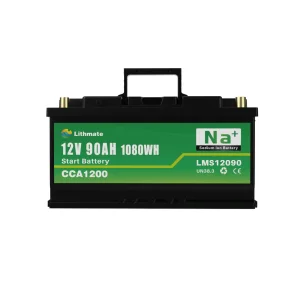
We supply customized charging units optimized for both sodium-ion and lithium-iron-phosphate starting batteries. Our sodium-ion configurations ensure reliable power delivery even in extreme cold climates down to -40°C.
Ensuring absolute compliance with municipal codes, international standards, and utility regulations.
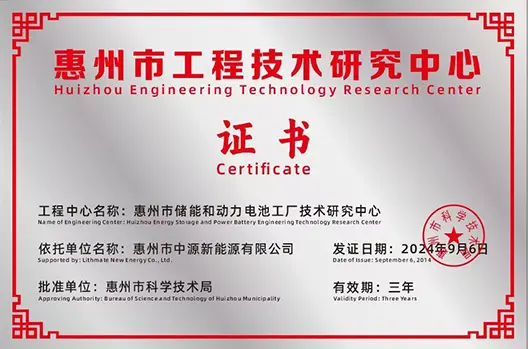
Our products are fully certified under safety standards including UL 1564, IEC 62477, and CE directives, ensuring safe operations in major global markets.

Our patented cell-balancing algorithm and protection systems guard against overcharging, short circuits, and thermal runaway.
Our multi-voltage chargers automatically adapt to varied industrial grids, from 110V single-phase to 480V three-phase systems.
Leading the next generation of smart industrial charging technology.
Tomorrow's industrial hubs require real-time system visibility. Lithmate is piloting cloud-integrated charging networks that allow warehouse managers to monitor charging history, verify SOC, and receive alerts for thermal irregularities from a centralized dashboard.
Status: Active Pilot DeploymentsAs energy costs shift throughout the day, parked forklifts can serve as decentralized battery storage assets. Our future charging platforms will support bidirectional power flow, allowing organizations to feed stored green energy back into the local grid during peak demand windows.
Status: Under Laboratory ResearchExpert insights on forklift LiFePO4 battery chargers and industrial power integration.
Engineered for high performance, efficiency, and reliability across demanding applications.
We work closely with industry leaders worldwide to deliver reliable energy storage systems.





 Lithmate