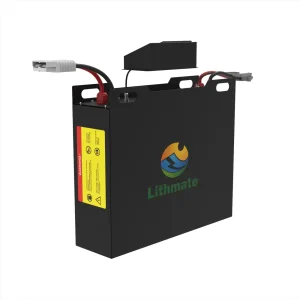
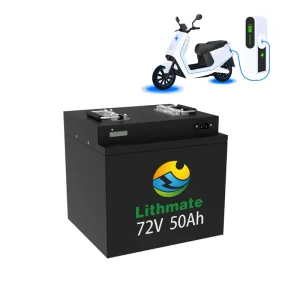
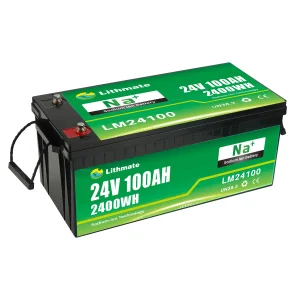
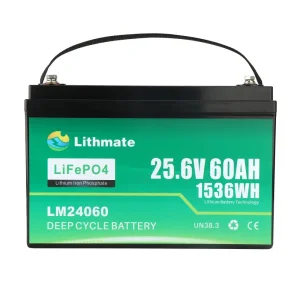
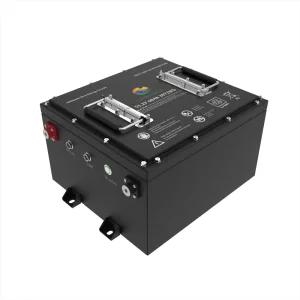
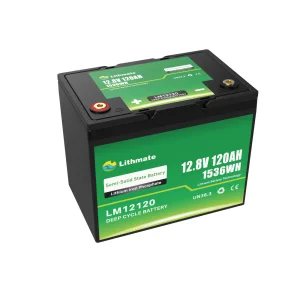
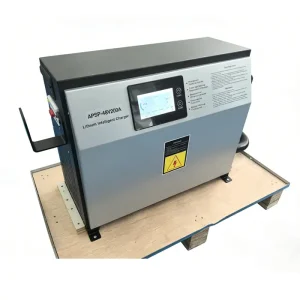
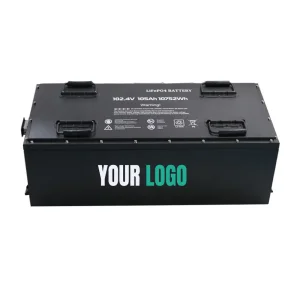
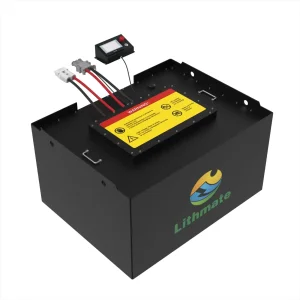
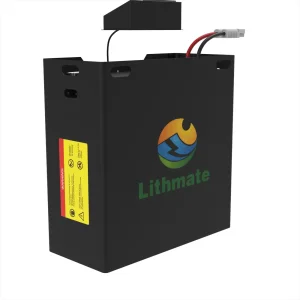
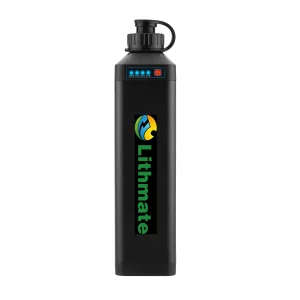
The global golf cart market is undergoing a seismic shift toward lithium iron phosphate (LiFePO4) chemistry. As a leading Lithium Golf Cart LiFePO4 Battery Manufacturer, we recognize that the transition isn't just about weight reduction—it's about total cost of ownership (TCO) and operational efficiency. Traditional lead-acid batteries suffer from "voltage sag," meaning as the battery drains, the power delivered to the motor decreases. LiFePO4 technology maintains a flat discharge curve, ensuring peak performance from 100% down to 1% state-of-charge (SoC).
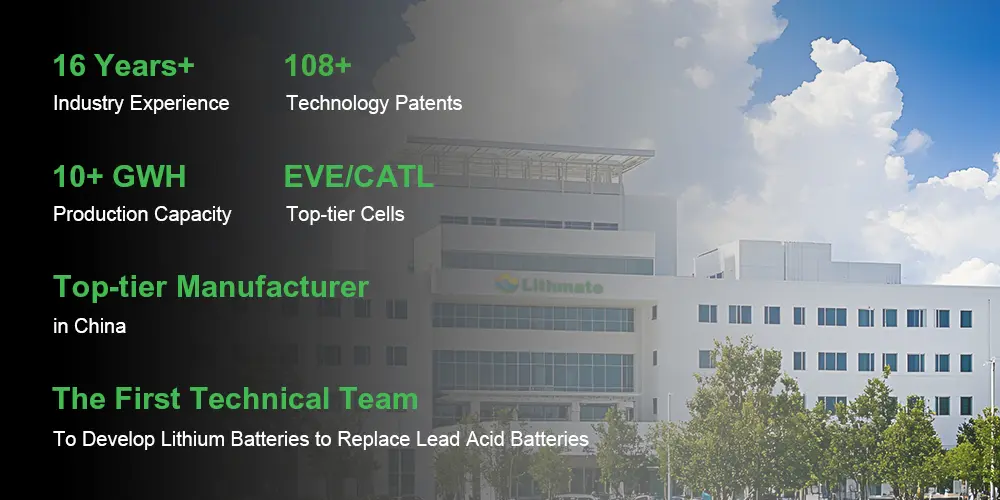
Lithmate New Energy Co., Ltd. is a specialized manufacturer dedicated to high-performance lithium energy storage systems. Our ISO 9001-certified facility serves as the benchmark for quality in the Huizhou energy corridor. By integrating Grade-A cells from industry titans like CATL and EVE, we ensure that every golf cart battery pack delivers industrial-grade reliability.
 Global Compliance: UL, CE, UN38.3, RoHS, and IEC certified products.
 Advanced BMS: Custom-engineered Battery Management Systems for safety and longevity.
 5GWH+ Capacity: Scalable manufacturing to meet global enterprise demands.
Our proprietary BMS (Battery Management System) acts as the brain of the battery, providing over-charge, over-discharge, thermal protection, and cell balancing. We offer Bluetooth connectivity for real-time monitoring via smartphone apps.
Unlike competitors using recycled or Grade-B cells, Lithmate exclusively utilizes EVE or CATL Grade-A prismatic cells. This ensures internal resistance consistency and prevents premature pack failure.
Golf carts often operate in extreme heat. Our packs feature advanced thermal dissipation structures and cold-weather heating pads (optional) to maintain performance from -20°C to 60°C.
Encased in IP67-rated steel or high-strength ABS housings, our batteries are vibration-resistant and waterproof, perfect for the rugged environments of golf courses and resorts.
Designed as "Drop-in Ready" solutions. Whether your cart is a Club Car, EZ-GO, or Yamaha, our 48V and 51.2V packs fit perfectly in the original battery bay without complex modifications.
We stand by our engineering. Lithmate offers a comprehensive 7-year warranty, backed by a global technical support team available 24/7 to assist with installation and diagnostics.
Navigating international energy regulations is a core competency at Lithmate. For our global partners, compliance isn't just a certificate; it's the foundation of market entry. Our Lithium Golf Cart LiFePO4 Batteries are rigorously tested to meet the highest safety standards:
Our batteries meet UL 2271 for light electric vehicle batteries and UN 38.3 for safe transportation, ensuring easy customs clearance and insurance compliance in the US and Canada.
Fully compliant with the Battery Directive 2006/66/EC and the New Battery Regulation, focusing on sustainability, recycling, and carbon footprint reporting.
We partner with local distributors across the UK, USA, and Australia to provide on-the-ground technical training and rapid warranty replacement parts.
Being based in Huizhou, China—the global epicenter of lithium battery manufacturing—gives Lithmate an unparalleled strategic advantage. This ecosystem provides:
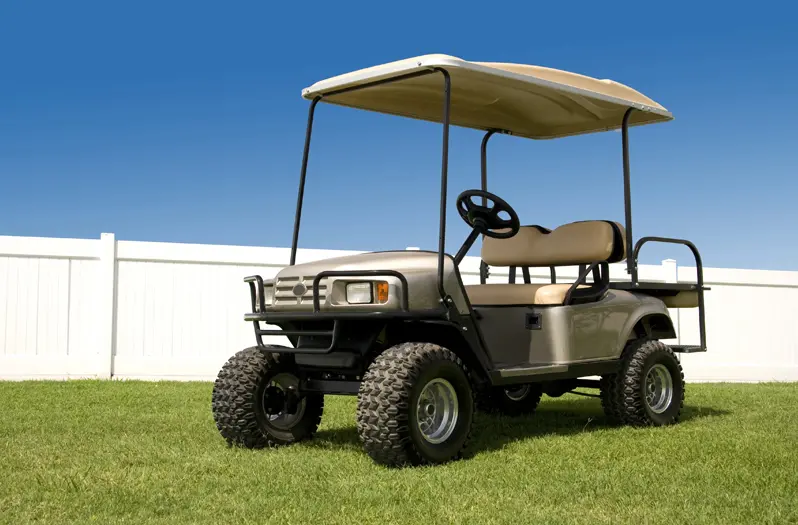
Ensuring 36-hole endurance on a single charge with zero noise pollution for high-end guest experiences.
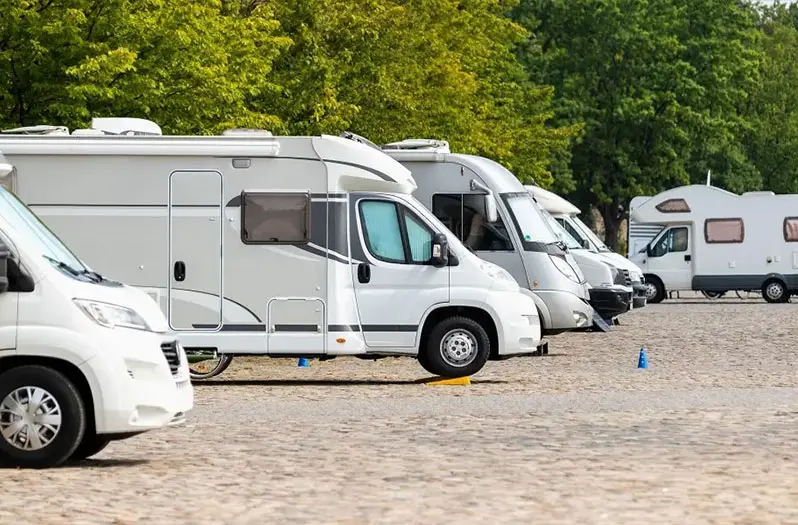
Powering maintenance and logistics carts in massive industrial parks where reliability is non-negotiable.
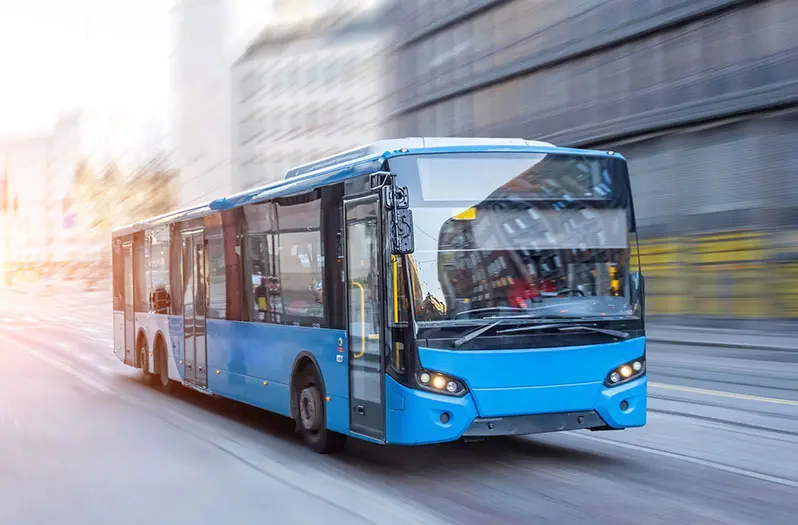
Eco-friendly, long-lasting transportation for residential complexes, reducing maintenance costs for homeowners' associations.
Future golf cart batteries will be fully integrated with fleet management software. Managers can monitor the health, location, and charge levels of 100+ carts from a single dashboard via 4G/5G modules built into the BMS.
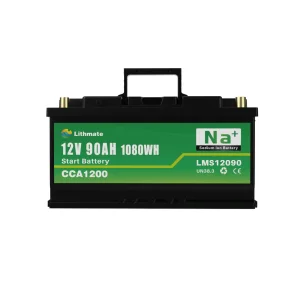
As a leading Sodium-Ion Battery Factory, we are already developing "Salt-based" power solutions for low-temperature climates where traditional lithium might struggle, offering a cost-effective alternative for winterized regions.
The "Circular Economy" will see golf cart batteries designed for easy dismantling. Once a pack hits 70% capacity (after ~10 years), it can be repurposed for residential solar storage, maximizing its economic and environmental value.
 Lithmate