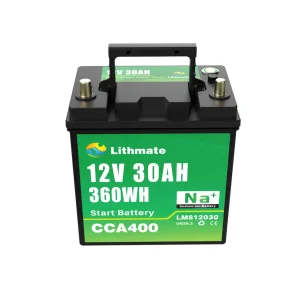
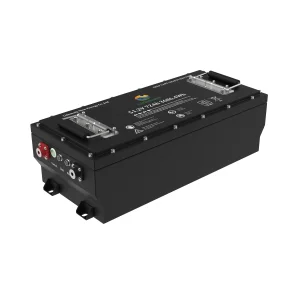
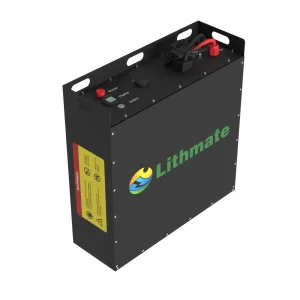
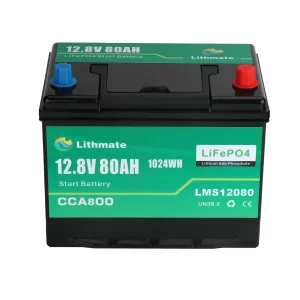
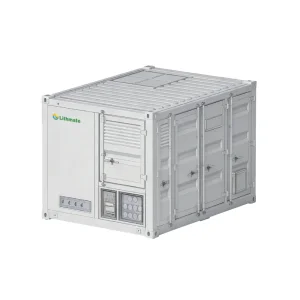
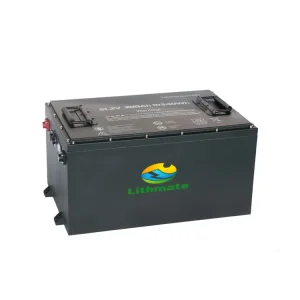
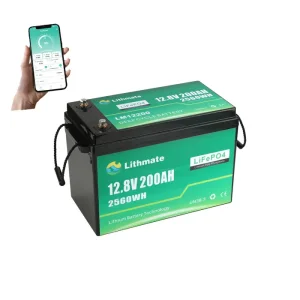
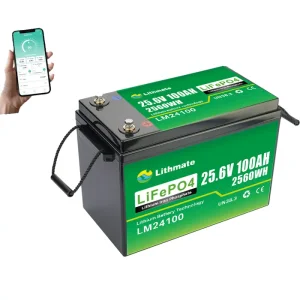
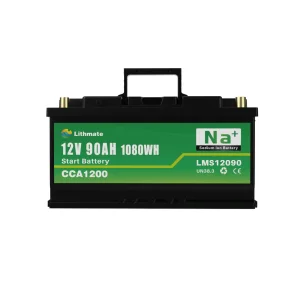
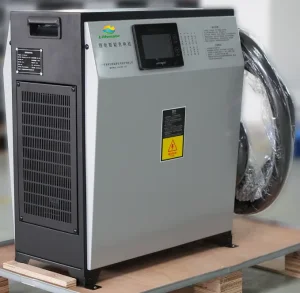
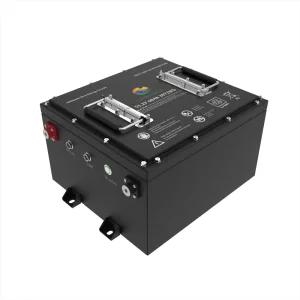
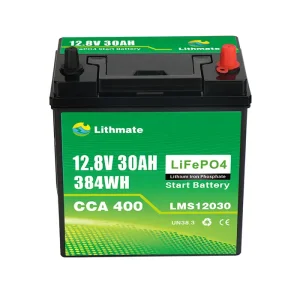
Explore our top-performing starting and custom energy storage packs, built under rigorous ISO standards.
Analyzing the electrochemistry, low-temperature kinematics, and global transition from lead-acid and lithium to sodium-ion cranking solutions.
Starting batteries require rapid power release—measured in Cold Cranking Amperes (CCA)—to initiate combustion engines or high-inertia industrial drives. Traditionally, lead-acid batteries and Lithium Iron Phosphate (LiFePO4) have dominated this arena. However, the larger ionic radius of Sodium (1.02 Å vs. Lithium’s 0.76 Å) does not compromise its high-discharge potential when paired with advanced hard carbon anodes and transition metal oxide cathodes.
Lithmate’s research shows that sodium-ion starting batteries feature a low charge-transfer resistance across the solid-electrolyte interphase (SEI) film. This allows the cells to support transient discharge currents up to 30C (thirty times the nominal capacity), matching or exceeding the start-up capabilities of standard lead-acid batteries while reducing physical weight by more than 60%.
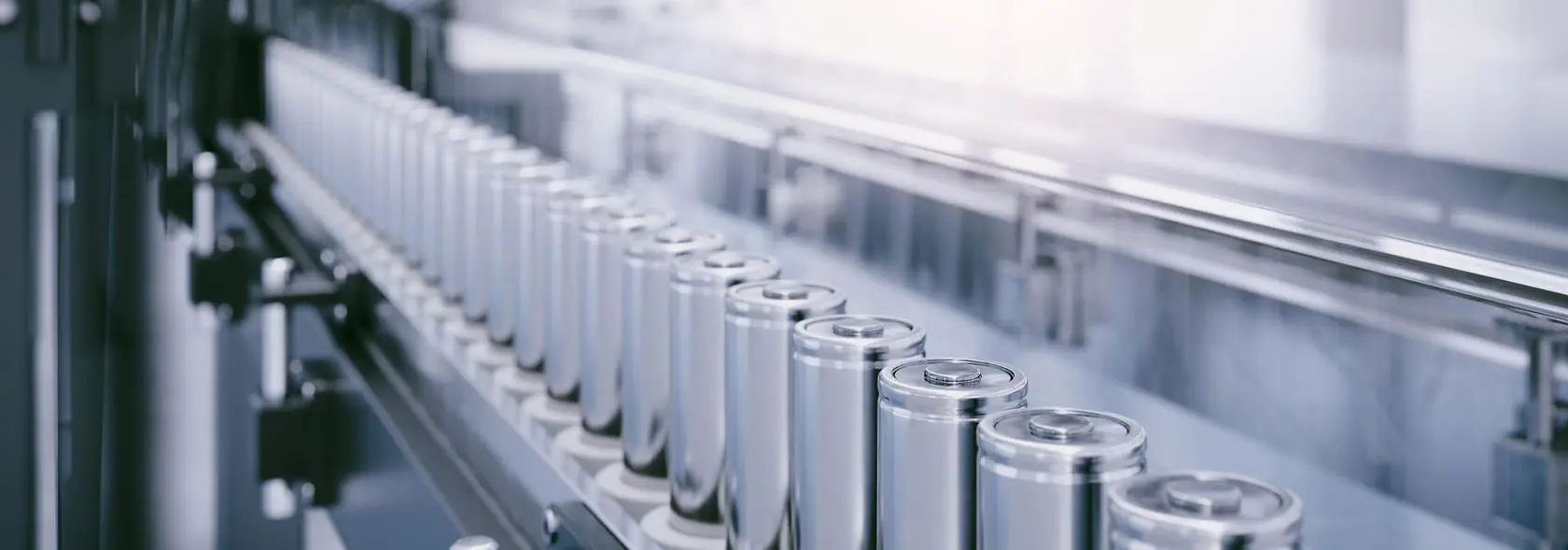
Our testing laboratory ensures that each sodium-ion cell undergoes 100% capacity grading and pulse current verification before entering the assembly stage.
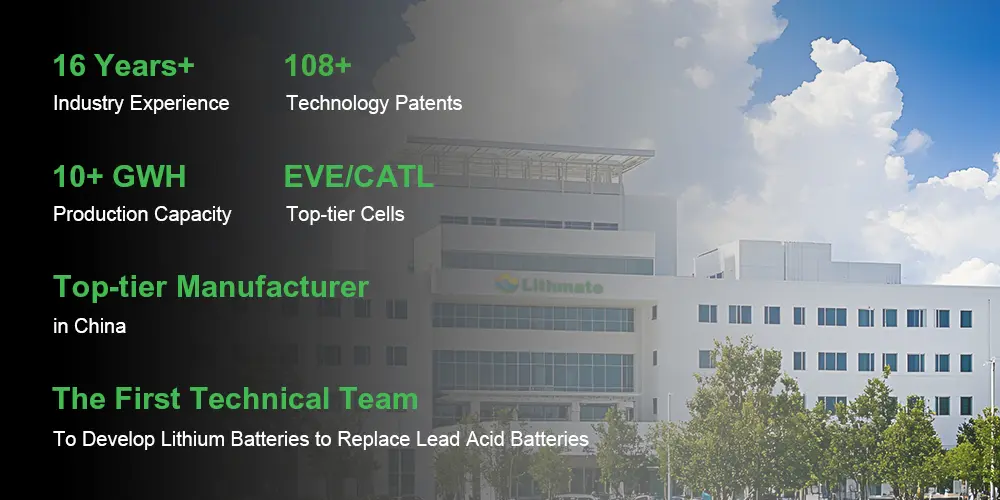
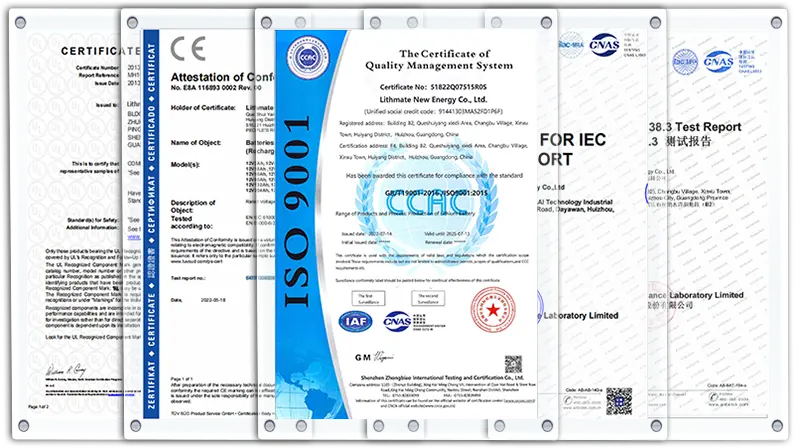
As a professional manufacturer in the advanced battery sector, our factory operates in full compliance with ISO 9001 standards. We work closely with top-tier cell producers including CATL and EVE, ensuring our products meet safety certifications, including CE, UL, UN38.3, RoHS, and IEC.

Every batch of batteries undergoes strict thermal shock, overcharge, and mechanical impact testing to align with global transport and safety codes.

We regularly update our battery management system (BMS) logic to match active state-of-charge tracking requirements.

We provide design, local compliance assistance, and customs clearance logistics support to our clients across Europe, the Americas, and APAC.

We offer full-service customization options, including specialized housing materials, custom dimensions, communication protocols (CANbus/RS485), and customized BMS profiles.
Bridging the gap between manufacturing in China and local operations worldwide.
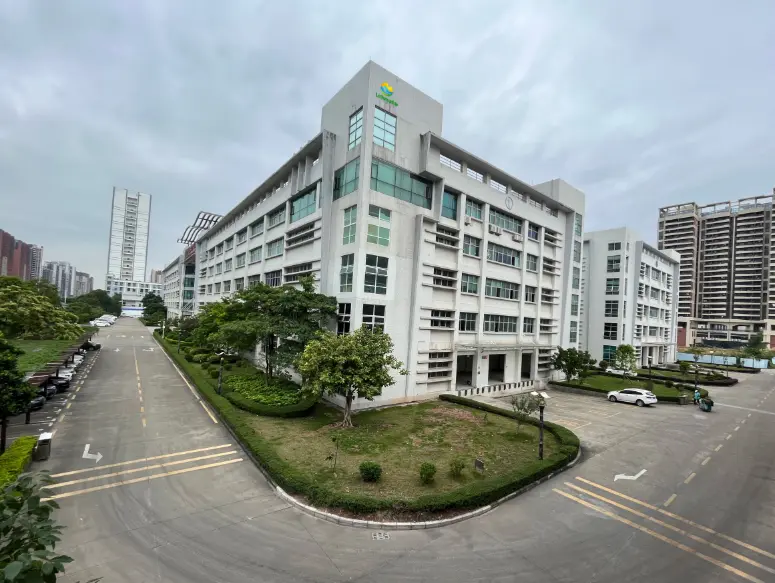
Importing battery packs requires adherence to international safety standards. Lithmate handles the required testing and certification procedures to clear your import channels:
Our 3-4 weeks delivery window and 24 Hours On-Call Service ensure that B2B clients receive consistent product support and technical assistance across time zones.
How raw material access, automated cell production, and manufacturing clusters keep production reliable and cost-effective.
Lithium relies on supply chains that are often prone to price volatility. In contrast, sodium is abundant and widely accessible. Working with top-tier cell developers like CATL and EVE, we utilize a local supply chain that covers everything from sodium carbonate extraction to cathode precursor processing (including Prussian blue analogues and layered transition metal oxides).
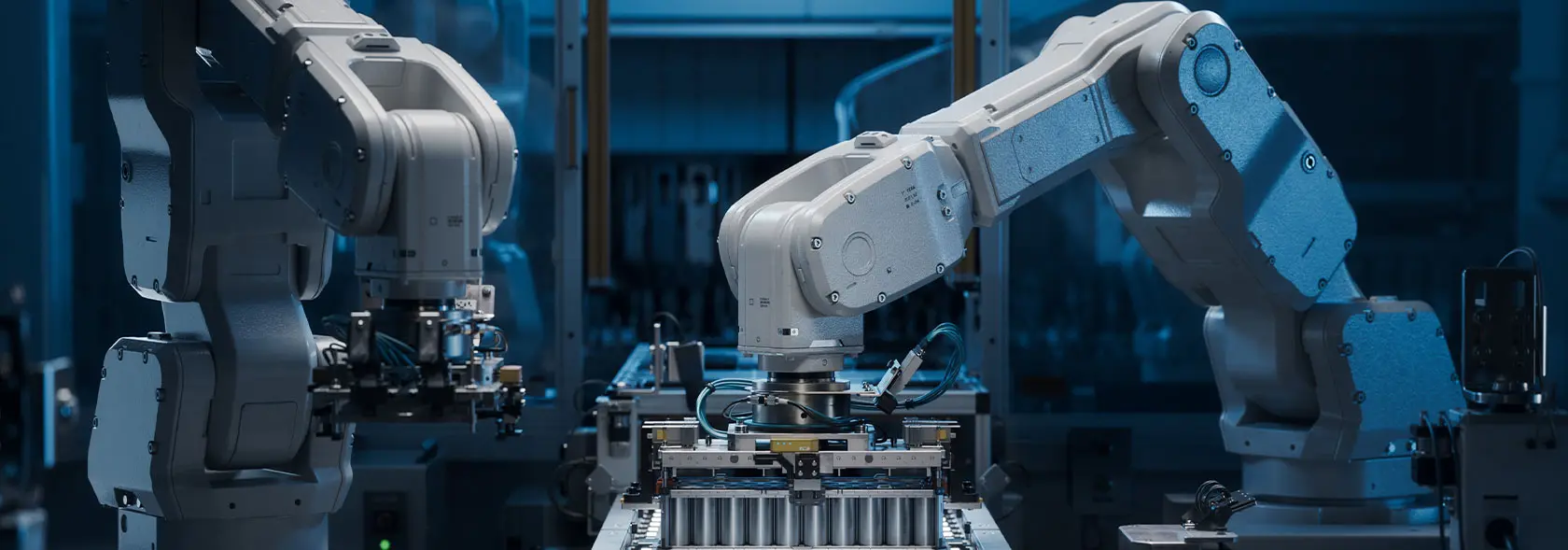
This raw material security translates directly to stable pricing and production schedules. Our automated assembly facilities lower processing costs, allowing us to supply high-performance sodium starting batteries at a lower price point per kilowatt-hour compared to lithium options.
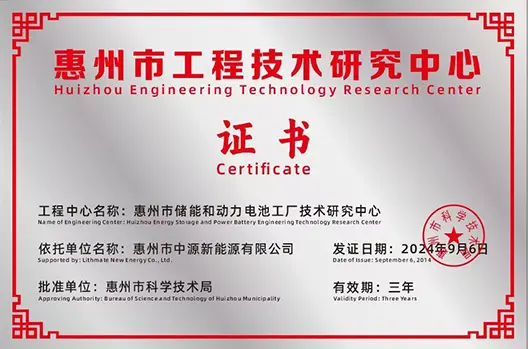
By hosting the Huizhou Energy Storage and Power Battery Engineering Technology Research Center, Lithmate works directly on joint R&D projects alongside national research universities. This lets us quickly transition battery innovations from the lab directly to high-volume assembly lines.

Our reliance on structured QC systems allows us to offer a 7-year product warranty across our premium battery selection.

Our application engineers are available on-call to help troubleshoot BMS settings or mechanical installation configurations.

We maintain optimized shipping pathways and carry key certifications, ensuring fast transit for Class 9 hazardous materials.
From low-temperature cranking to deep-cycle industrial traction, discover where sodium and lithium cells deliver high performance.
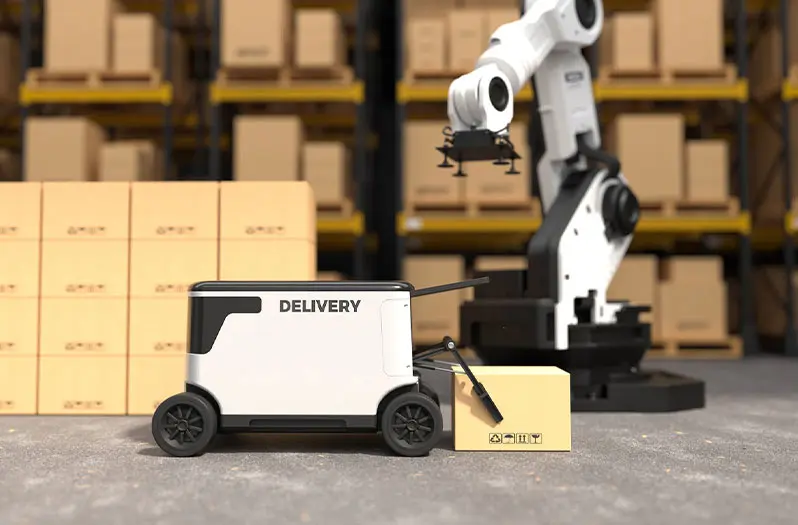
 AGV / AMR Robots
Supports continuous operation and fast opportunity charging in warehouse settings, keeping uptime high.
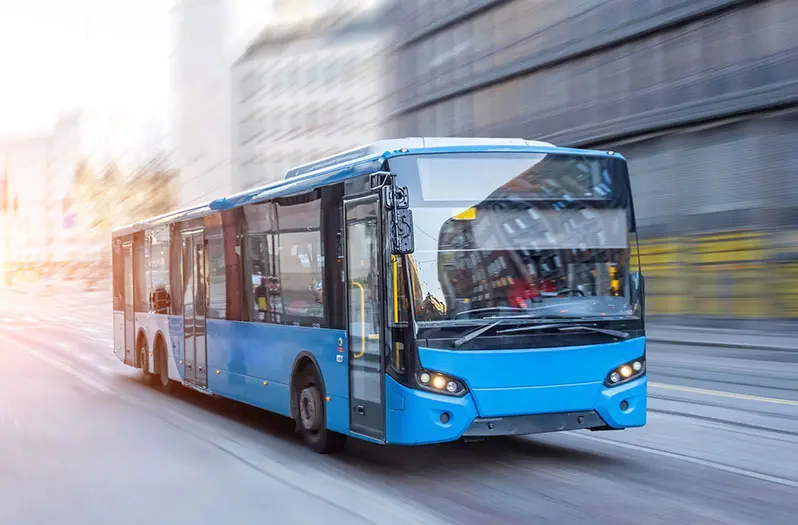
 Electric E-Bus
Reliable and safe high-capacity battery systems designed to power urban transit vehicles and public fleets.
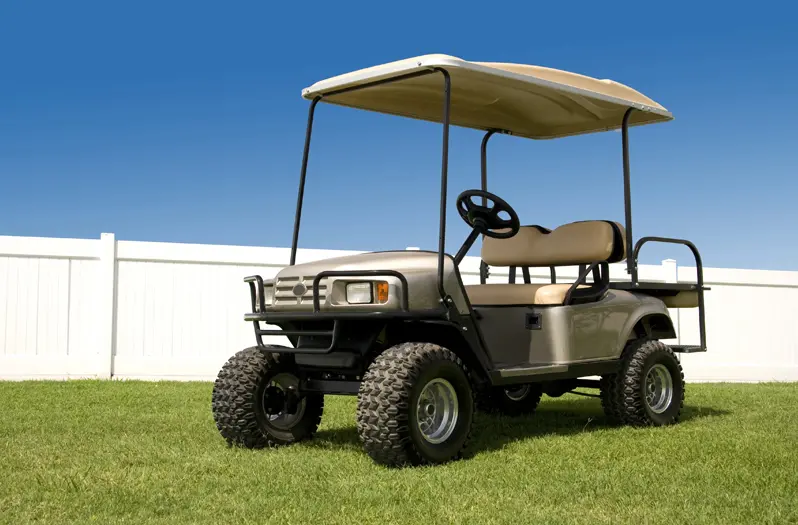
 Golf Cart & LSV
Offers lightweight power with simple drop-in installation, delivering consistent range and rapid recharge times.
 Utility Vehicles
Built to deliver steady voltage output and resist dust, water ingress, and vibration in work settings.

 Marine & Trolling
Features corrosion-resistant structural cases and high CCA ratings, making them ideal for starter engines and trolling motors.
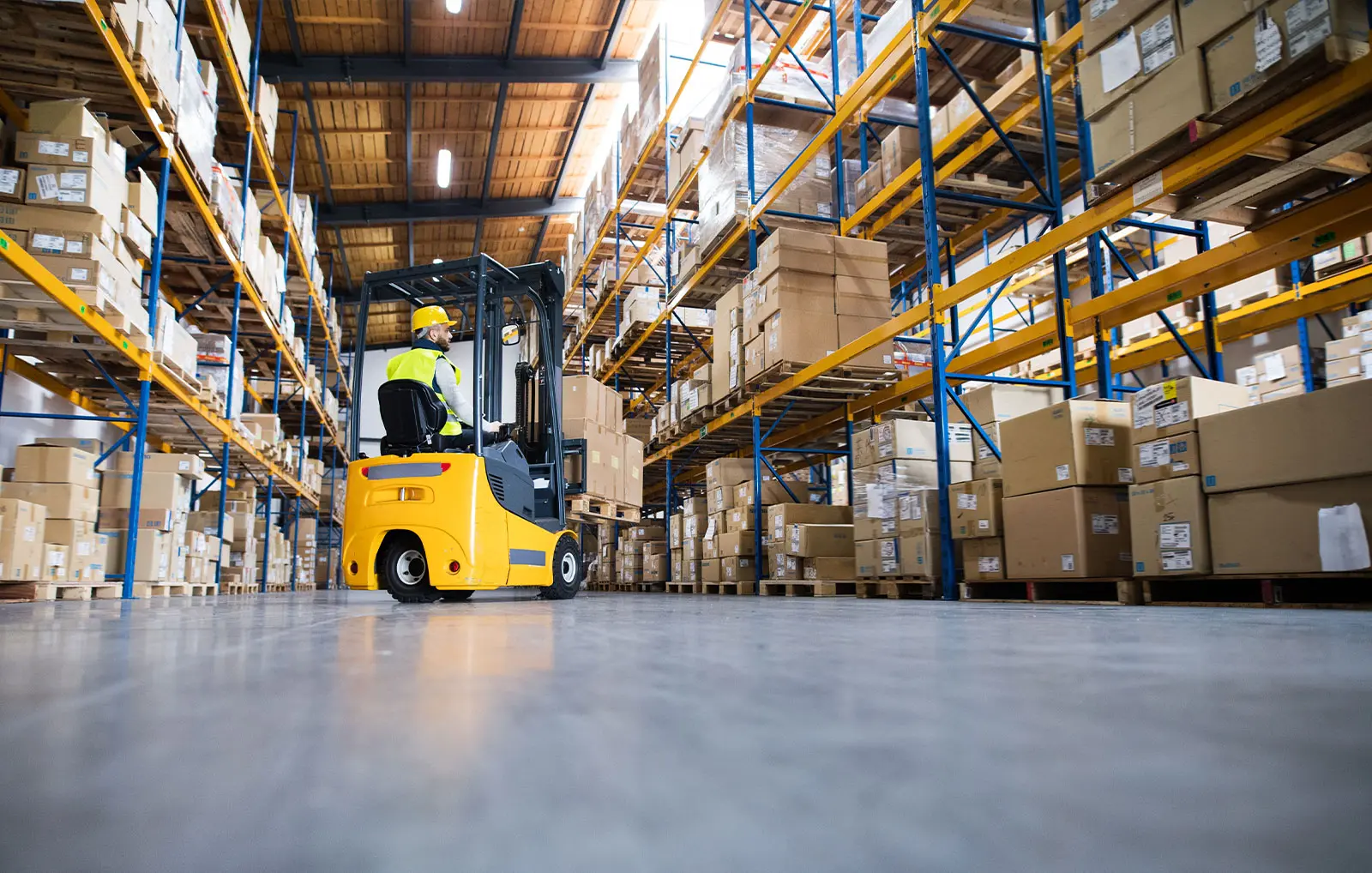
 Forklifts & Material Handling
High-capacity batteries built to support multi-shift warehouse operations without requiring maintenance.

 Vehicle Starting & Cranking
Sodium starting batteries provide reliable cranking power for heavy trucks and cars, even down to -40°C.

 Jet Ski & Powersports
Vibration-resistant and waterproof designs built to handle the physical demands of marine recreational activities.
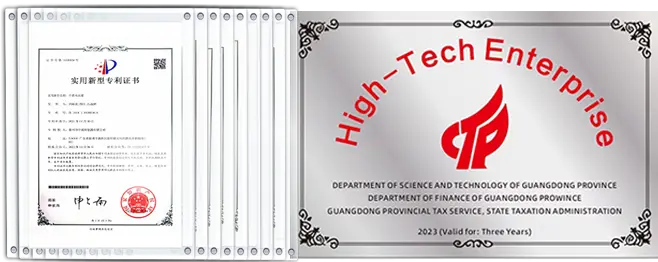
National High-tech Enterprise certification built on persistent material innovation.
Lithmate New Energy is recognized as a National High-tech Enterprise. We have earned over 100 patents in battery system integration, including structural pack designs, dual-protection BMS circuit boards, and thermal management mechanisms.
We collaborate with several domestic universities and run the Huizhou Energy Storage Engineering Research Center. This ensures that every battery we produce—from low-voltage starting batteries to high-voltage energy storage systems—complies with key international safety standards (including UL 1973, CE, IEC 62619, and UN38.3).
Answering the technical, logistics, and compliance questions that purchasing managers face when sourcing sodium-ion batteries.
Sodium-ion starting batteries offer several operational advantages over traditional lead-acid options. They provide a cycle life of 3,000+ cycles at 80% Depth of Discharge (DOD), compared to only 300 to 500 cycles for lead-acid. Additionally, their high energy density reduces battery weight by 60%, and they can be completely discharged to 0V without damaging the cells. This makes them safer and easier to transport, reducing overall shipping complexity.
While LiFePO4 starting batteries struggle to charge below 0°C without built-in heating elements, sodium-ion batteries maintain excellent performance in freezing environments. Due to their low solvation energy and fast transport kinetics, sodium-ion cells can retain over 80% of their rated capacity and deliver high cranking currents at temperatures down to -40°C. This makes them highly suitable for automotive, marine, and industrial applications in cold regions.
Yes. Our OEM/ODM sodium starting batteries are designed to match standard automotive and marine charging voltages (typically 14.4V to 14.6V for 12V systems). The internal BMS regulates incoming current from generators or alternators, protecting against overcharging and ensuring a drop-in replacement process for existing systems.
For safe shipping, batteries must have UN38.3 certification and an up-to-date Material Safety Data Sheet (MSDS). For customs clearance and distribution in the EU, CE (EMC/LVD) and RoHS certifications are required. In the US market, UL 1973 and UL 9540A testing are preferred to demonstrate thermal stability and safety. Lithmate handles all testing and documentation to ensure compliant shipping across international borders.
We provide full OEM/ODM services, including custom plastic or metal enclosures (up to IP67 waterproofing), specialized BMS settings, integration of communication protocols (such as CANbus, RS485, and Bluetooth), and customizable brand packaging. We work closely with clients to develop custom battery layouts tailored to specific spatial and electrical requirements.
We collaborate with industrial clients and research institutions to build reliable energy systems.





Our complete line of sodium starting packs and deep-cycle lithium solutions, built for global applications.
 Lithmate