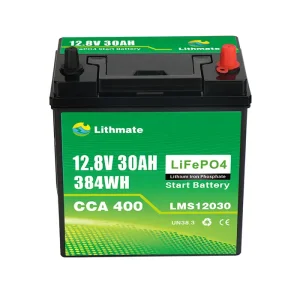
 High-Quality 12V 30Ah LiFePO4 Starter Battery Manufacturers
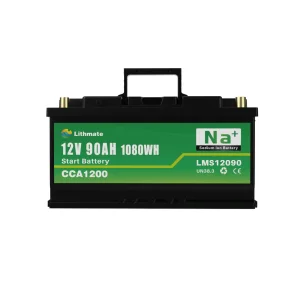 OEM 12V 90Ah Sodium Ion Start Battery Suppliers
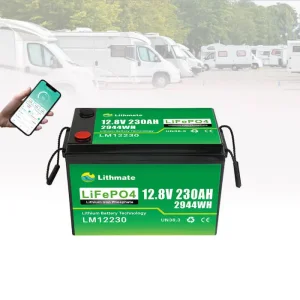 12V 230Ah Bluetooth Lithium RV Battery Supplier
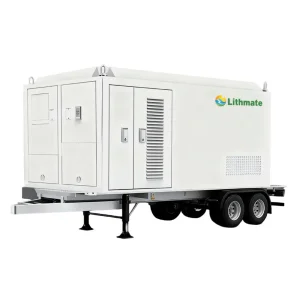 Mobile Energy Storage Charging System for EV
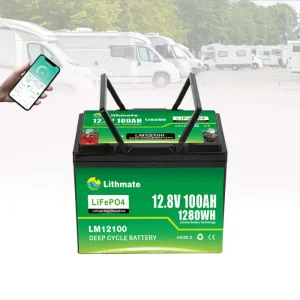 Custom 12V 100Ah LiFePO4 RV Battery Manufacturer
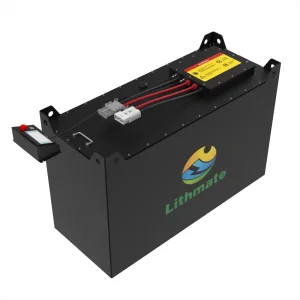 Lithium Forklift Battery 48V 628Ah Manufacturers
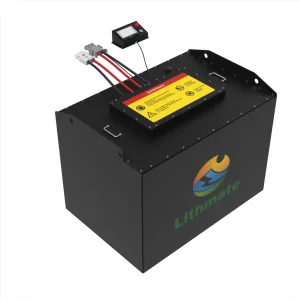 Custom 72V 460Ah LiFePO4 Forklift Battery Factory
 Custom Deep Cycle 96V 50Ah LiFePO4 Battery
As the global demand for energy storage systems (ESS) skyrockets, the lithium-ion supply chain faces unprecedented pressure. Sodium-ion batteries (SIB) have emerged not merely as a backup, but as a superior alternative for stationary solar storage. Unlike lithium, sodium is abundant, environmentally benign, and significantly more cost-effective. At Lithmate, we are leveraging this "chemical abundance" to provide OEM solutions that reduce CAPEX by up to 30% for solar farm developers.
Modern procurement officers are no longer just looking for "batteries." They are searching for "Sustainable Energy Supply Chain Resilience." Our OEM sodium battery manufacturing process addresses this by eliminating reliance on rare minerals like cobalt and nickel, offering a supply chain that is immune to the geopolitical volatility associated with traditional lithium sources.
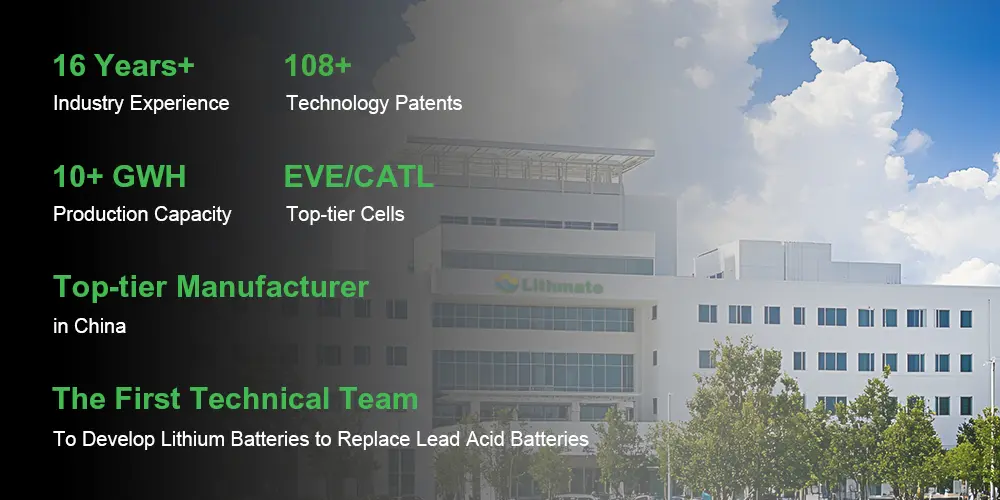
As a professional lithium and sodium battery manufacturer, Lithmate operates in full compliance with ISO 9001 standards. Our factory is equipped with fully automated production lines, ensuring that every cell meets international safety certifications including CE, UL, UN38.3, RoHS, and IEC.
With 16+ years of industry experience, we support the entire manufacturing lifecycle—from R&D to final testing—enabling us to deliver high-efficiency solutions for solar storage, industrial vehicles, and marine applications.
One of the most significant advantages of our OEM Sodium Ion batteries is their performance in extreme climates. Traditional LiFePO4 batteries see a massive drop in efficiency below 0°C. In contrast, Lithmate Sodium cells maintain over 80% capacity at -40°C. This makes them the ideal choice for solar storage in high-latitude regions like Northern Europe, Canada, and the Northern US.
Sodium batteries possess higher internal resistance, which facilitates safer operation during accidental short circuits. The thermal runaway threshold is significantly higher than that of NCM lithium batteries, providing solar storage manufacturers with a "Peace of Mind" certification for residential indoor installations.
For solar storage, the ability to handle rapid surges in solar generation is crucial. Sodium-ion batteries support higher C-rates compared to standard LFP, allowing for faster energy capture during peak sun hours and responsive power delivery during grid stabilization events.
Why are global enterprises turning to Chinese factories like Lithmate for Sodium-ion production? It’s not just about cost—it’s about Vertical Integration.
China controls a vast majority of the precursor materials for sodium-ion anodes and cathodes (Hard Carbon and Prussian Blue analogues). By sourcing directly from our factory in Huizhou, international clients bypass multiple layers of markups and secure long-term price stability.
Lithmate has invested in 5GWH+ annual capacity, utilizing the same world-class cell equipment as CATL and EVE. Our automated lines ensure PPM (Parts Per Million) level defect rates, a necessity for large-scale solar storage projects where a single faulty cell can compromise a whole rack.
Being located in the Huizhou Energy Storage Research Center allows Lithmate to collaborate with top universities to push the boundaries of energy density, currently targeting 160Wh/kg for mass-produced sodium cells.
Entering international markets requires more than just a good battery; it requires meeting stringent regulatory frameworks. Lithmate provides full support for:
We provide all necessary documentation for UL 1973 (Stationary batteries), UL 9540 (ESS), and IEC 62619. Our engineering team works directly with your local testing labs to ensure the final OEM product passes regional grid-tie requirements.
A "one-size-fits-all" BMS doesn't work for global solar storage. We offer customized BMS firmware that supports multiple communication protocols (CANbus, RS485, Modbus) to integrate seamlessly with global inverter brands like Victron, Growatt, and SMA.
Shipping UN38.3 certified sodium batteries requires specialized DG (Dangerous Goods) handling. We provide end-to-end logistics support, including MSDS documentation and specialized packaging that meets sea and air freight safety regulations.
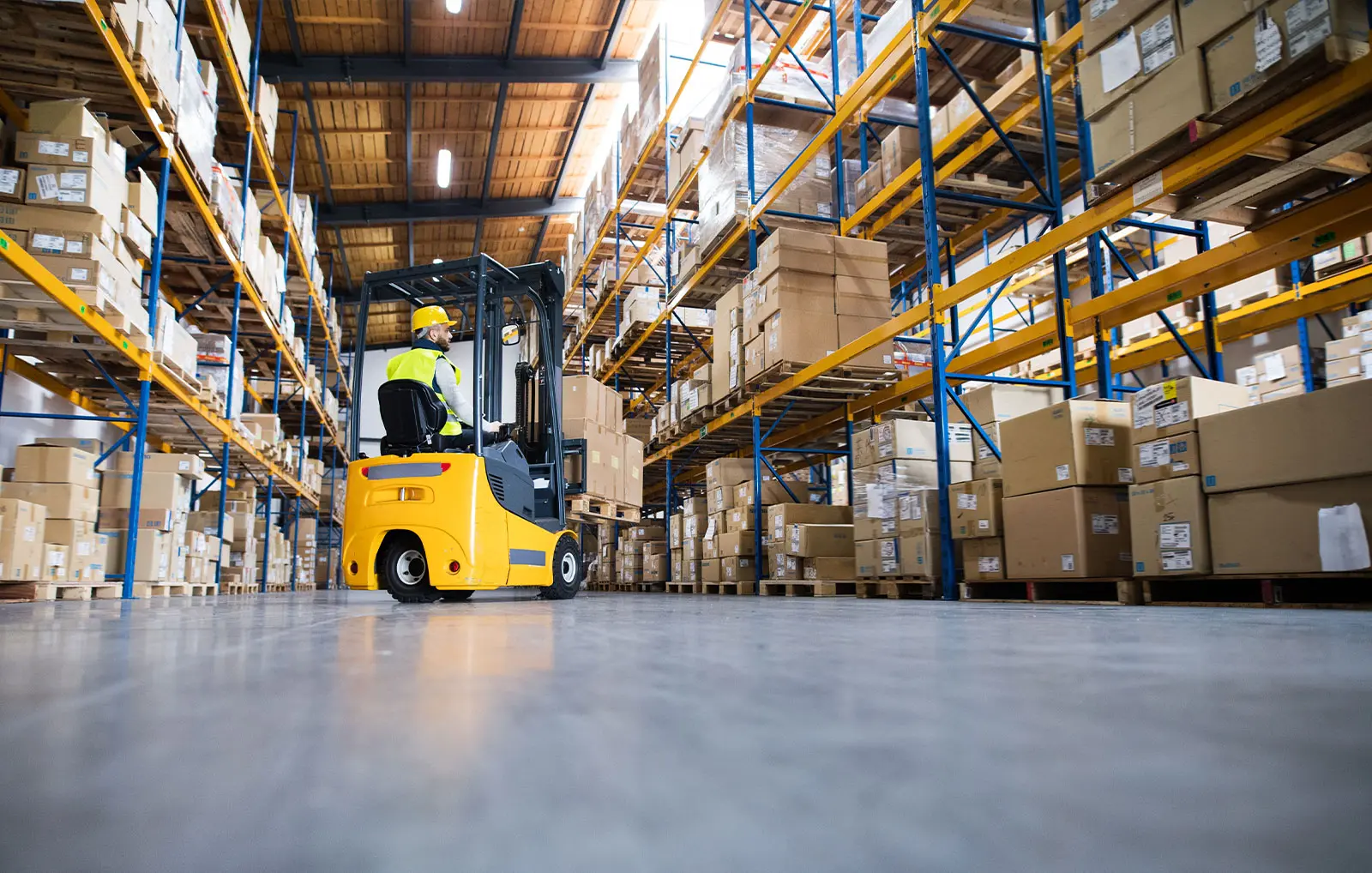
Factories in high-tariff regions use our sodium storage systems to store energy during off-peak hours and discharge during peak demand, drastically reducing monthly utility bills while providing backup during grid failures.
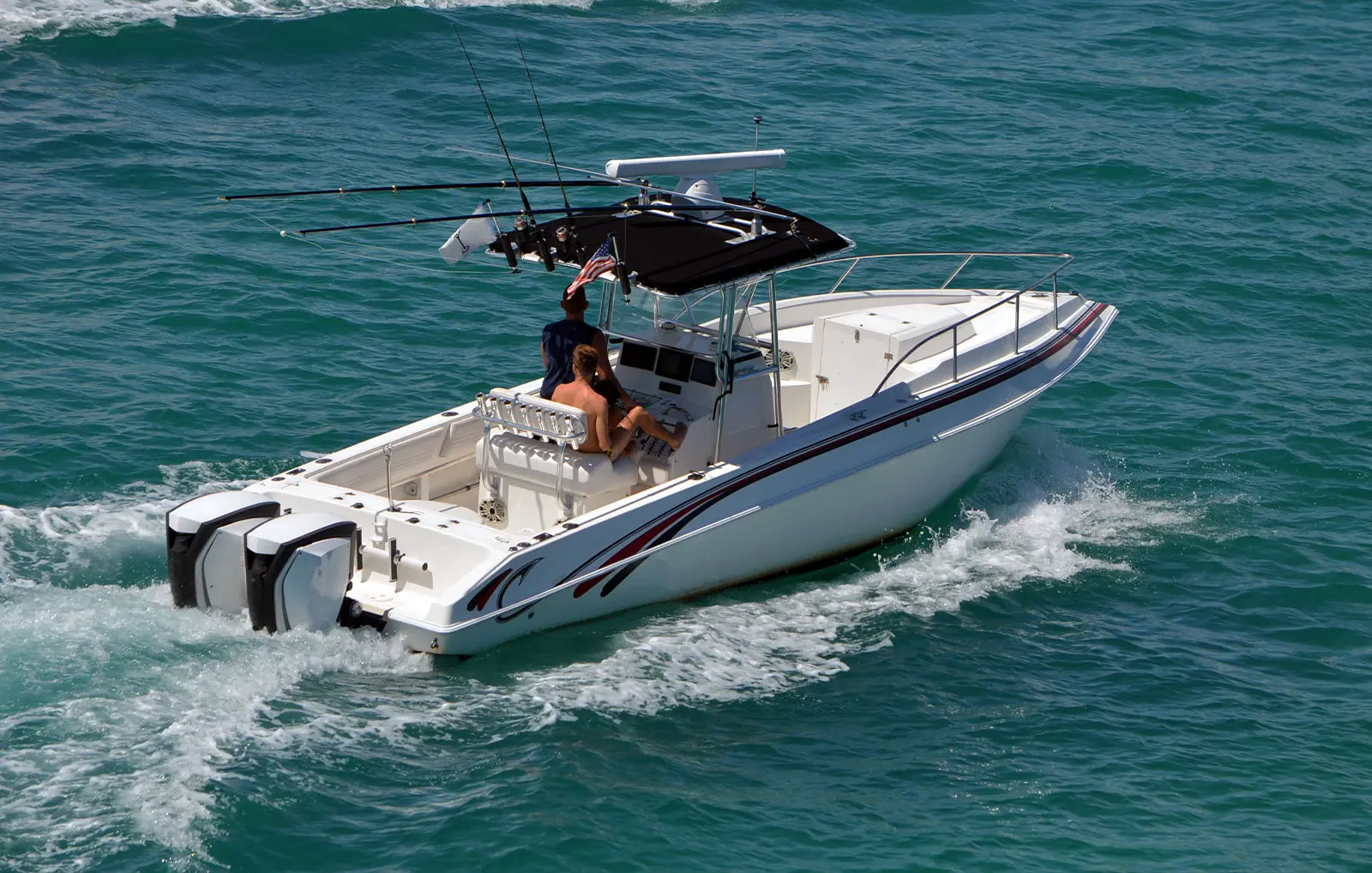
In remote islands or rural agricultural zones, lithium batteries are often too expensive. Our sodium batteries provide the robust, long-cycle life needed for 24/7 solar-powered microgrids at a fraction of the cost.
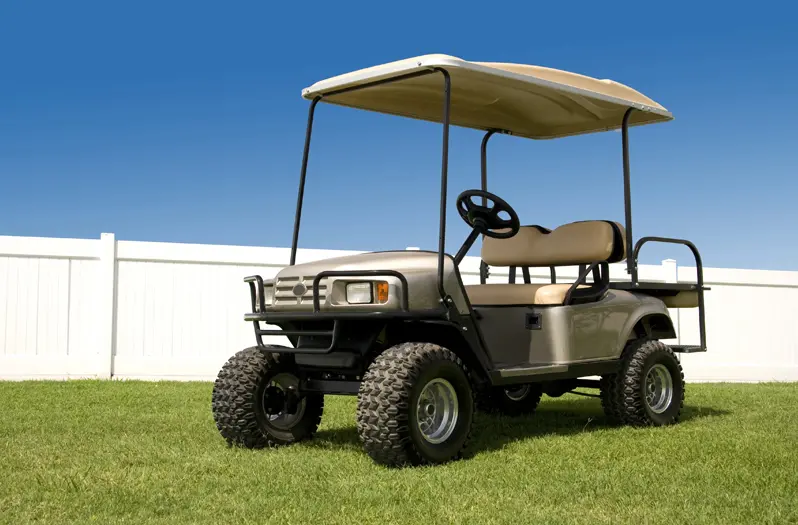
Homeowners seeking "Fire-Safe" storage solutions are increasingly choosing sodium-ion. Our OEM home battery packs offer a compact, stackable design that integrates with rooftop solar arrays.
The next 5 years will see Sodium-ion batteries moving from "niche" to "mainstream." Key trends we are monitoring at the Lithmate R&D center include:
A: Sodium-ion offers significant cost savings (raw materials are 80% cheaper), better low-temperature performance (-40°C), and improved safety. For stationary storage where weight is less critical than cost and safety, SIB is the superior choice.
A: Yes, Lithmate specializes in OEM/ODM services. We can customize the casing, BMS, and voltage configurations (12V to 800V+) to fit your specific application requirements.
A: Our current generation sodium-ion cells provide 3,000 to 5,000 cycles at 80% Depth of Discharge (DOD), making them perfect for daily solar cycling over a 10-year lifespan.
A: Typically, our production lead time is 3-4 weeks once the design is finalized. We maintain a steady supply of raw materials to ensure consistent delivery for our global partners.
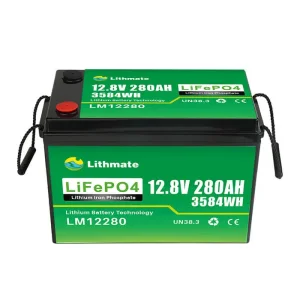 Custom Lithium 12V 280Ah RV LiFePO4 Battery Manufacturer
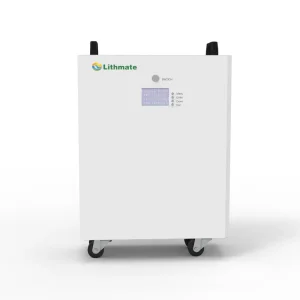 OEM 51.2V 314Ah Home Solar Storage Battery Factory
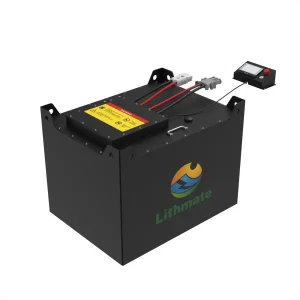 Custom Forklift 48V 560Ah LiFePO4 Lithium Battery
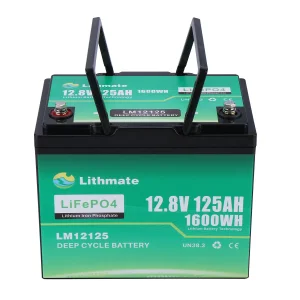 Custom LiFePO4 12V 125Ah Lithium Ion Battery Manufacturers
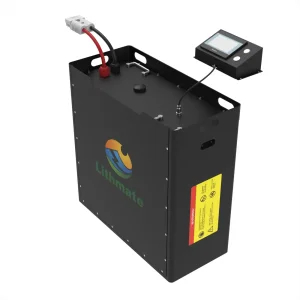 High-Quality Lithium 24V 230Ah Forklift Battery Factory
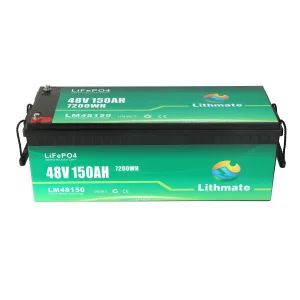 Custom Electric Boat LiFePO4 Battery 48V 150Ah
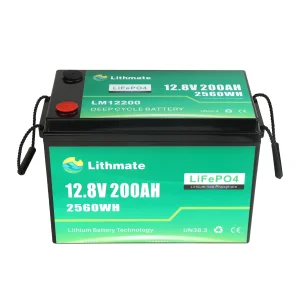 High-Quality LiFePO4 Battery 12V 200Ah RV Battery
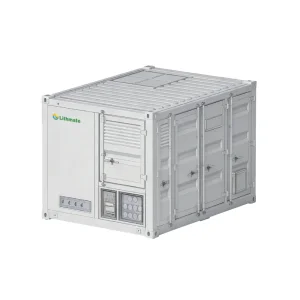 Custom 1.34MWH Energy Storage Battery System Factory
 Lithmate