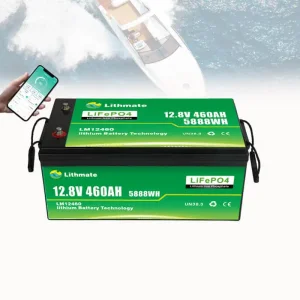
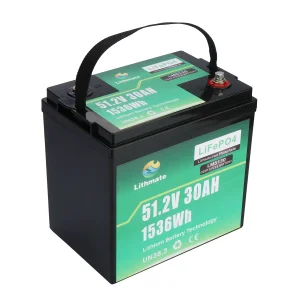
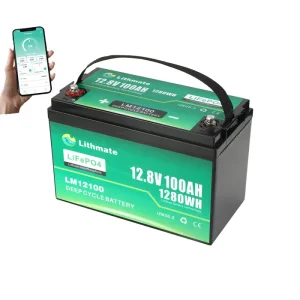
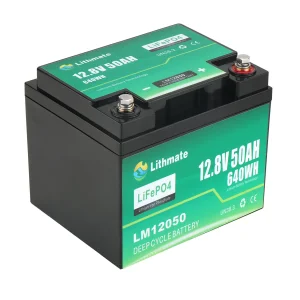
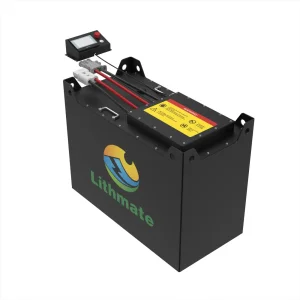
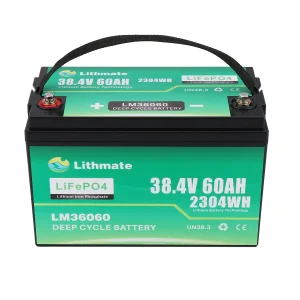
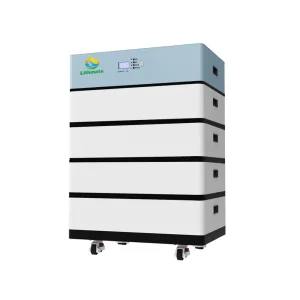
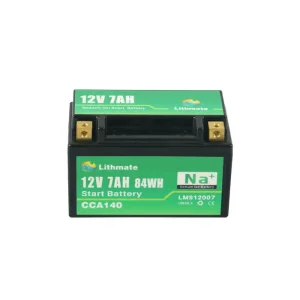
Nigeria, often referred to as the "Giant of Africa," faces a unique paradox: a booming economy with a massive energy deficit. For decades, businesses in Lagos, Abuja, and Kano have relied on noisy, polluting, and expensive diesel generators. However, the recent removal of fuel subsidies and the volatility of the Naira have made fossil fuel-based power unsustainable.
The transition to LiFePO4 is not just a technological upgrade; it is a financial necessity for Nigerian industrial sectors. From powering telecommunication base stations in remote areas to providing stable electricity for healthcare facilities, LiFePO4 battery packs are the cornerstone of the country's renewable energy roadmap.
Cycle Life
Efficiency
Service Life
Globally, the LiFePO4 market is projected to reach $50 billion by 2030, driven by the EV revolution and grid-scale energy storage. In Nigeria, the focus is shifting toward Decentralized Energy Systems (DES). We are seeing a significant trend where "Product-as-a-Service" (PaaS) models allow Nigerian businesses to lease battery storage, reducing initial CAPEX.
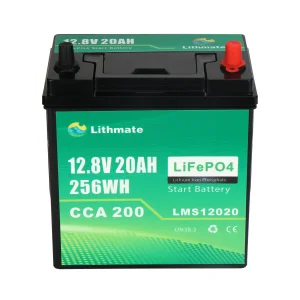
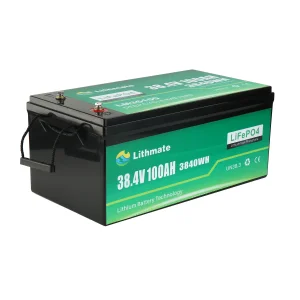
Our manufacturing process integrates Tier-1 cells from CATL and EVE, ensuring that the global quality standards are localized for the Nigerian heat and humidity. Unlike standard imports, our battery packs feature advanced BMS (Battery Management Systems) specifically tuned for unstable grid charging environments common in the PHCN (Power Holding Company of Nigeria) infrastructure.
As a professional lithium battery manufacturer, our factory operates in full compliance with ISO 9001 standards. All products meet international safety certifications: CE, UL, UN38.3, RoHS, and IEC. With 16+ years of industry experience and a 15,000+ sqm factory size, we are the trusted partner for Nigerian energy providers.
Providing 48V and 96V systems for Nigerian supermarkets and hotels to eliminate downtime during grid failure.
Reliable backup for towers in the Niger Delta and Northern Nigeria where maintenance access is limited.
Specialized 12V/24V/36V lithium packs for fishing boats in Lagos and Port Harcourt coastal regions.
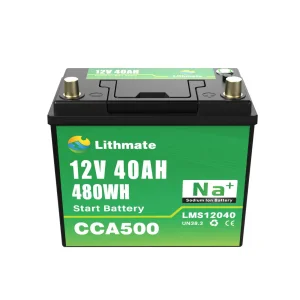
The next frontier for the Nigerian market is the integration of Sodium-ion technology alongside LiFePO4. While LiFePO4 remains the gold standard for density and life, Sodium-ion offers an even wider temperature range (-40°C to 70°C) and lower cost, which will soon revolutionize the "starting battery" market for Nigerian logistics trucks and cars.
Our R&D team is currently focusing on Smart Cloud Monitoring. Soon, Nigerian facility managers will be able to monitor their battery health across 50 different locations via a mobile app, receiving alerts before a cell reaches its end-of-life.
Replacing lead-acid batteries in Nigerian warehouses with our LiFePO4 solutions results in 50% faster charging and zero maintenance, increasing operational uptime by 30%.
Our batteries provide high-current discharge for marine engines, ensuring a reliable start even after months of inactivity in saltwater environments.
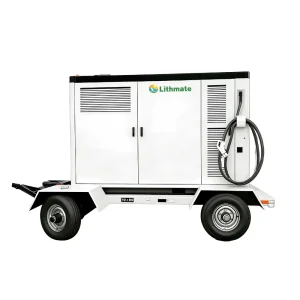
Developing integrated battery stations that allow for "buffering" the weak Nigerian grid to provide high-power EV charging without collapsing local distribution lines.
Yes. Unlike NMC (Lithium Cobalt) batteries, LiFePO4 has a high thermal runaway threshold (around 270°C), making it the safest lithium chemistry for Nigeria's hot climate.
With the current diesel prices in Nigeria, the ROI (Return on Investment) for switching from a generator/lead-acid setup to LiFePO4 is typically 18 to 24 months.
Absolutely. Our BMS supports both series and parallel configurations, allowing you to scale your system from 5kWh to 500kWh as your business grows.
We work with a network of over 150 global partners, including local engineers in Nigeria who are trained to install and service Lithmate systems.
 Lithmate