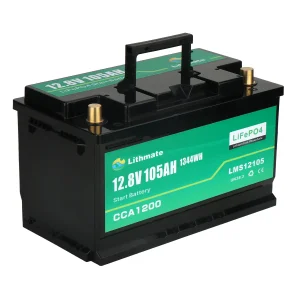
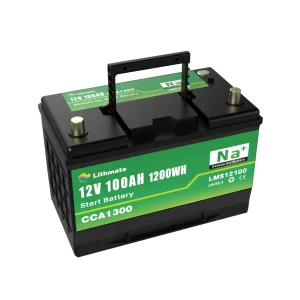
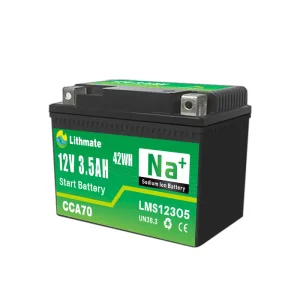
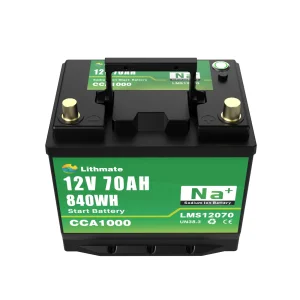
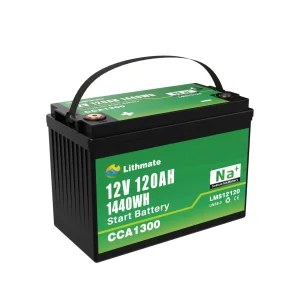
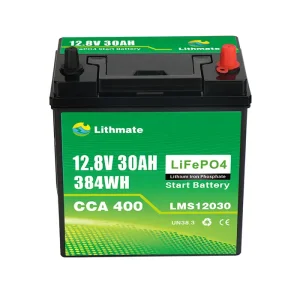
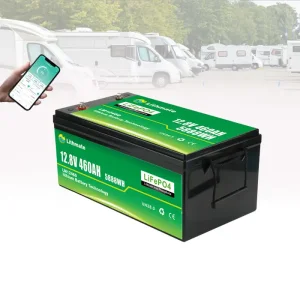
Engineered for instant engine cranking, high discharge rates, and optimal thermal resilience tailored for Japan's rigorous commercial and industrial standards.
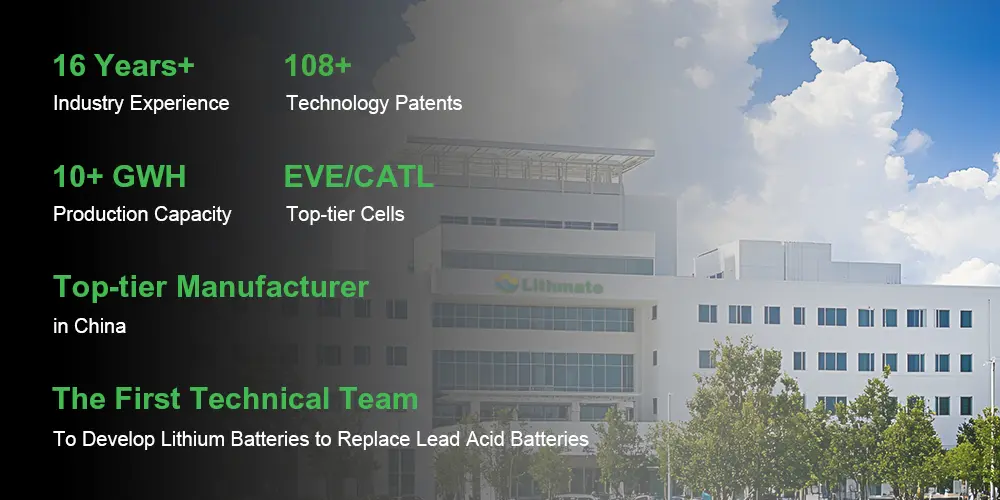
Lithmate is a premier manufacturer specializing in lithium and sodium-ion batteries tailored for automotive, heavy industrial, and marine start applications. Operating in strict adherence to ISO 9001, we deliver standard-setting energy products that feature essential safety certifications, including CE, UL, UN38.3, RoHS, and IEC.
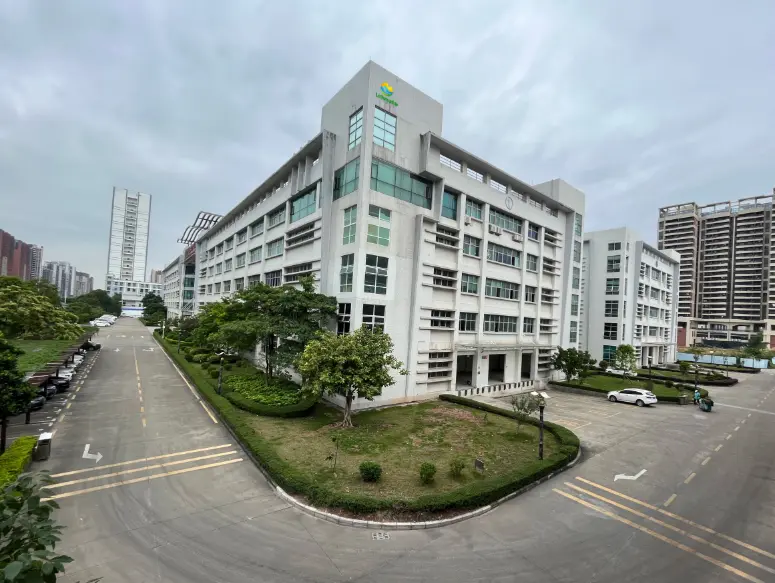
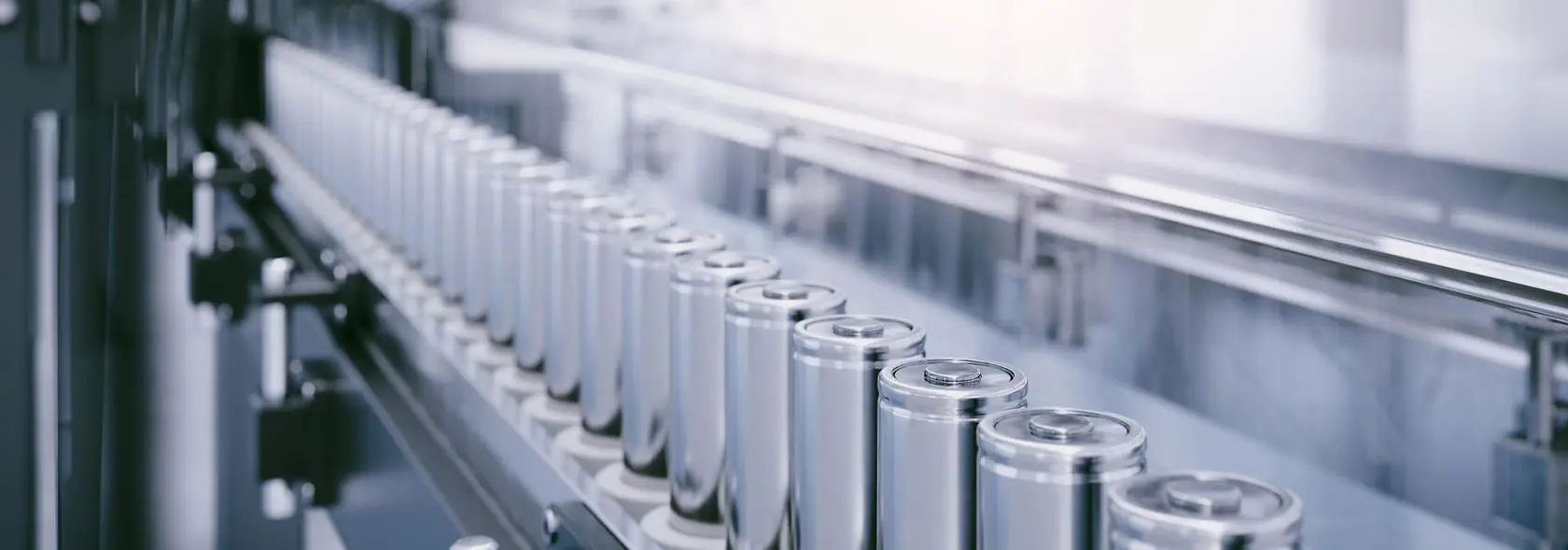
Our infrastructure includes fully automated production lines, advanced environmental test chambers, and precision cell-matching processes. This enables complete control over cell sorting, packaging, and BMS integration, ensuring highly reliable power solutions for the international market, including Japan's strict automotive and energy systems.
Fully certified with UL, CE, UN38.3, and Japan's METI guidelines.
R&D team with comprehensive expertise in starting current optimization.
Partnerships with EVE and CATL for consistent quality.
Tailored custom casing design, heat management, and smart BMS tuning.
Japan remains at the forefront of the global automotive, marine, and high-precision heavy industry sectors. However, the country’s transitioning manufacturing sector demands starting batteries that perform reliably in challenging climates. From sub-zero winter temperatures in Hokkaido to the hot, humid summers of southern prefectures, reliable starting power is essential.
Traditional lead-acid starter systems (SLI) are increasingly phased out due to environmental regulations, strict weight-reduction targets, and low energy density. Japanese automotive firms and marine logistics operators are shifting toward advanced lithium iron phosphate (LiFePO4) and sodium-ion starting solutions. These technologies offer high power, lightweight design, and long cycle lives, fitting the strict requirements of modern vehicles.
For global procurement managers sourcing starting components, meeting Japan’s unique local testing standards and industrial demands is crucial. Suppliers must deliver products that combine high cold-cranking performance with long-term safety and strict regulatory compliance.
Choosing the correct cell chemistry for starting applications determines product lifespan, safety, and cold weather performance.
| Performance Feature | Traditional Lead-Acid (SLI) | Lithium Iron Phosphate (LiFePO4) | Sodium-Ion (SIB) |
|---|---|---|---|
| Cycle Life (80% DoD) | 300 - 500 Cycles | 3,000 - 6,000 Cycles | 2,000 - 4,000 Cycles |
| Extreme Low Temp Performance (-30°C) | Poor (Drops to < 50% capacity) | Moderate (Requires heating/BMS support) | Excellent (Retains > 80% discharge capacity) |
| Energy Density (Wh/kg) | 30 - 50 Wh/kg | 130 - 160 Wh/kg | 100 - 120 Wh/kg |
| Safety Profile | Acid leakage risk, environmental hazard | Very stable, integrated smart BMS | Highly stable, non-flammable under puncture |
| Environmental Impact | High (contains Lead and Acid) | Low (fully recyclable materials) | Minimal (uses abundant, non-toxic materials) |
How we address complex power and electrical demands across automotive, logistics, and marine fleets worldwide.
Replacing legacy battery chemistry across heavy-duty commercial vehicle fleets reduces total weight, boosts fuel efficiency, and cuts carbon footprint. This directly aligns with Japan’s green transformation (GX) targets.
While advanced chemistry requires a higher initial investment than lead-acid, its extended cycle life (10x longer) eliminates the need for frequent replacements. This lowers overall maintenance costs for commercial equipment.
We offer custom structural design options to fit established engine compartments, including vibration-proof metal casings, custom terminal placements, and integrated active thermal management.
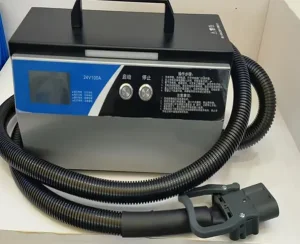
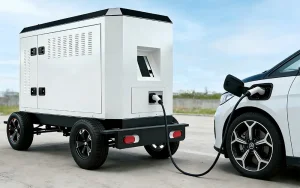
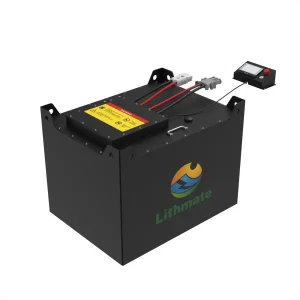
Explore our targeted auxiliary products designed for floor maintenance, warehouse forklifts, personal mobility, and smart charging configurations.
Entering the Japanese industrial market requires strict compliance with domestic safety regulations. Under the Electrical Appliance and Material Safety Act (DENAN Law), lithium-ion batteries with an energy density of 400 Wh/L or higher must carry the circular PSE Mark to be legally imported and sold in Japan.
At Lithmate, we design and manufacture our cells, modules, and BMS configurations to meet these requirements. This includes comprehensive testing for overcharging, external short circuits, structural crush tolerance, and drop resistance. Our technical documentation supports smooth import customs clearance, compliance review, and METI filings, helping to prevent entry barriers into the Japanese market.
Additionally, we offer full support for environmental compliance, including JIS (Japanese Industrial Standards) testing and UN38.3 sea/air transport certification. This ensures safe delivery and reliable operation from the moment the batteries arrive.
Answers to common technical, design, and regulatory questions from procurement managers and engineers.
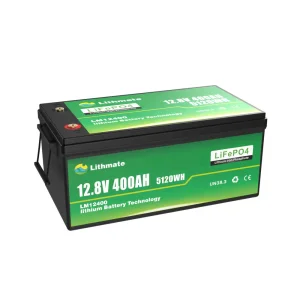
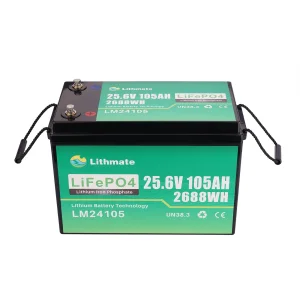
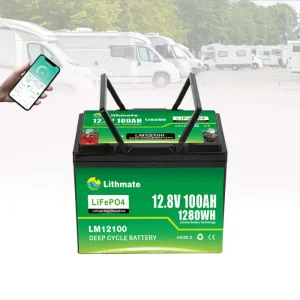
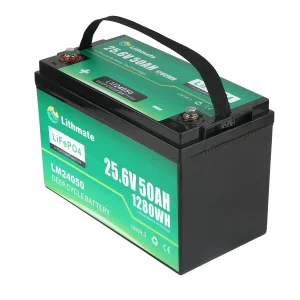
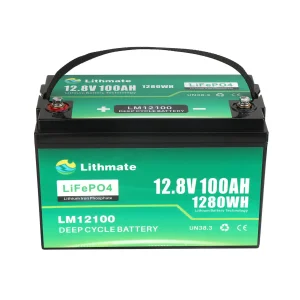
Explore our complete lineup of high-performance starting, marine, RV, and forklift batteries.
Optimize your vehicle, logistics fleet, or machinery performance with our specialized lithium or sodium-ion starting solutions. Get custom sizing, electrical mapping, and full pricing details within 24 hours.
Send Inquiry Now Lithmate