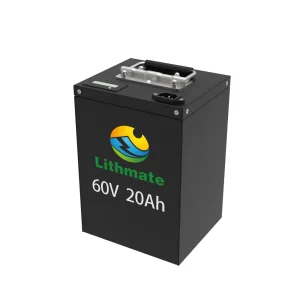
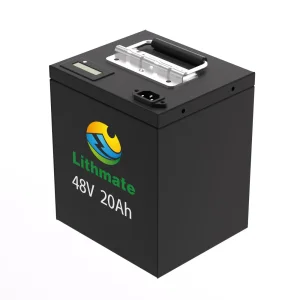
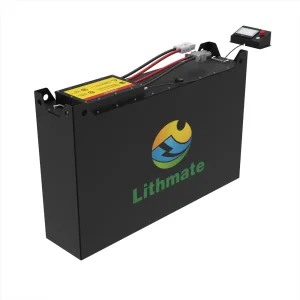
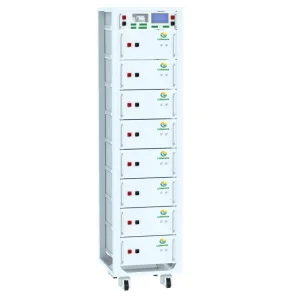
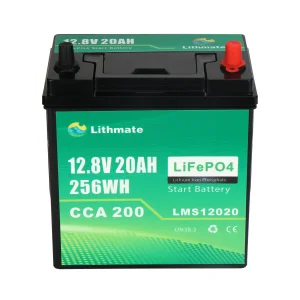
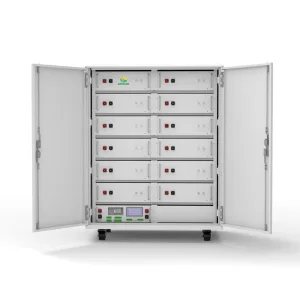
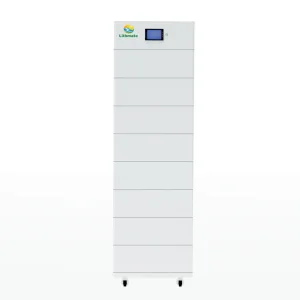
The industrial material handling sector is undergoing a rapid, technology-driven paradigm shift. Global supply chains, high-throughput warehousing centers, and port operations are phasing out obsolete lead-acid power configurations in favor of high-energy-density Lithium Iron Phosphate (LiFePO4) and Sodium-Ion cell structures. This optimization is driven by the demand for continuous fleet uptime, lower operational expenses, and zero-emission goals.
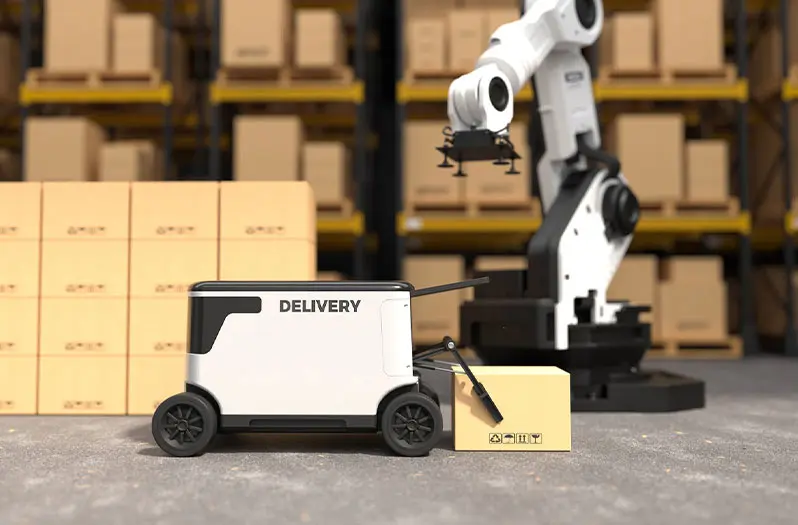
As a leading power provider, Lithmate New Energy Co., Ltd. develops engineered energy storage configurations designed to survive under high-impact conditions. From heavy-duty electric forklifts to autonomous AGV fleets operating inside tight automated storage and retrieval systems (ASRS), our cell architectures deliver the structural resilience, thermal dissipation capacity, and communication connectivity required to maximize uptime.
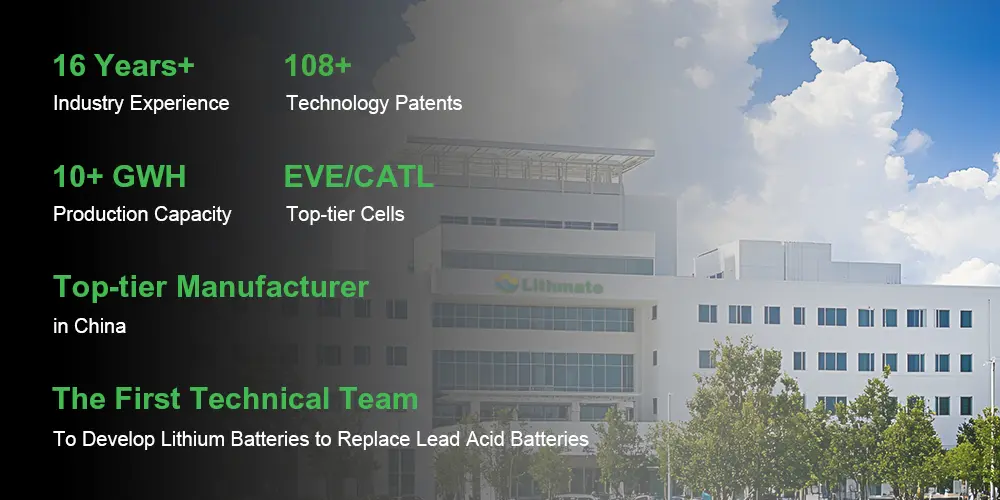
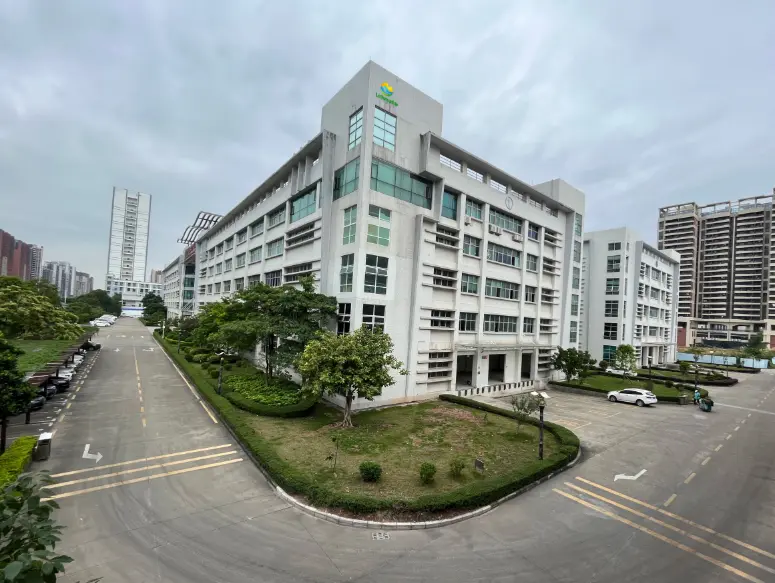
Lithmate New Energy Co., Ltd. specializes in designing, engineering, and manufacturing advanced lithium-ion and sodium-ion battery solutions. Operating a manufacturing facility structured in compliance with ISO 9001 quality management guidelines, we verify that every pack meets international safety protocols, including CE, UL, UN38.3, RoHS, and IEC standards.
Our production facilities employ advanced semi-automated and fully automated assembly lines, integrated testing cells, and diagnostic R&D laboratories. By handling the production workflow end-to-end—from initial structural analysis to computerized module balancing and environmental stress testing—we guarantee reliability for global OEMs and material handling service companies.
Certified in compliance with global shipping safety parameters and environmental controls (CE, UL, UN38.3, IEC, and RoHS).
Over 100 patents in smart BMS design, active thermal control, and custom structural cell connection safety frameworks.
Providing specialized engineering, export, and technical support frameworks for logistics operations in 40+ countries.
Custom form-factors, voltage adjustments (24V to 600V+), integrated BMS communication matching, and branded case finishes.
The industrial battery industry is evolving beyond standard lithium iron phosphate chemistry. Suppliers must master cell design to optimize safety, cycle life, thermal performance, and charge acceptance rates. Lithmate remains at the forefront of this evolution by focusing on three key technology pathways:
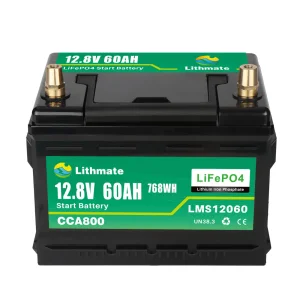
Lithium Iron Phosphate remains the core chemistry for material handling equipment. Known for high thermal runaway thresholds, LFP provides over 4,000 charge cycles at 80% Depth of Discharge (DoD). This makes it highly suitable for heavy-duty material handling, multi-shift logistics, and indoor warehousing where gas-free operation is mandatory.
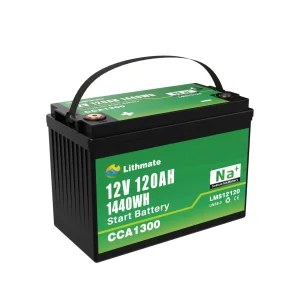
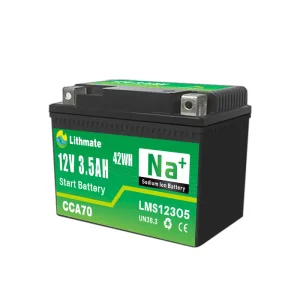
Sodium-ion represents an important breakthrough for low-temperature applications. Unlike traditional lithium cells that require integrated heaters below freezing, Sodium-ion chemistries retain up to 80% of their operational capacity at -40°C. Lithmate offers starting battery models utilizing this technology to provide reliable cold-cranking performance in extreme conditions.
Looking to the future, solid-state battery technology replaces liquid electrolytes with a solid conductive medium. This virtually eliminates risk of leaks, reduces overall weight, and increases volumetric energy density by over 30%, which will help extend the operational range of autonomous AGV systems.
Our Proprietary Battery Management System (BMS) acts as the brain of each pack, constantly balancing individual cell voltages, monitoring system temperature, and communicating critical metrics via CAN-Bus or RS485 protocols. This helps prevent over-charging, over-discharging, and cell degradation, protecting the asset's overall lifespan.

Our technical team leverages 16 years of electrochemical and electrical engineering experience to develop stable battery architectures.


We provide structural, software, and mechanical customization for BMS parameters, dimensions, weight distribution, and charging rates.
Over 100 patents in structural layouts, connection components, and thermal run-away control technologies.
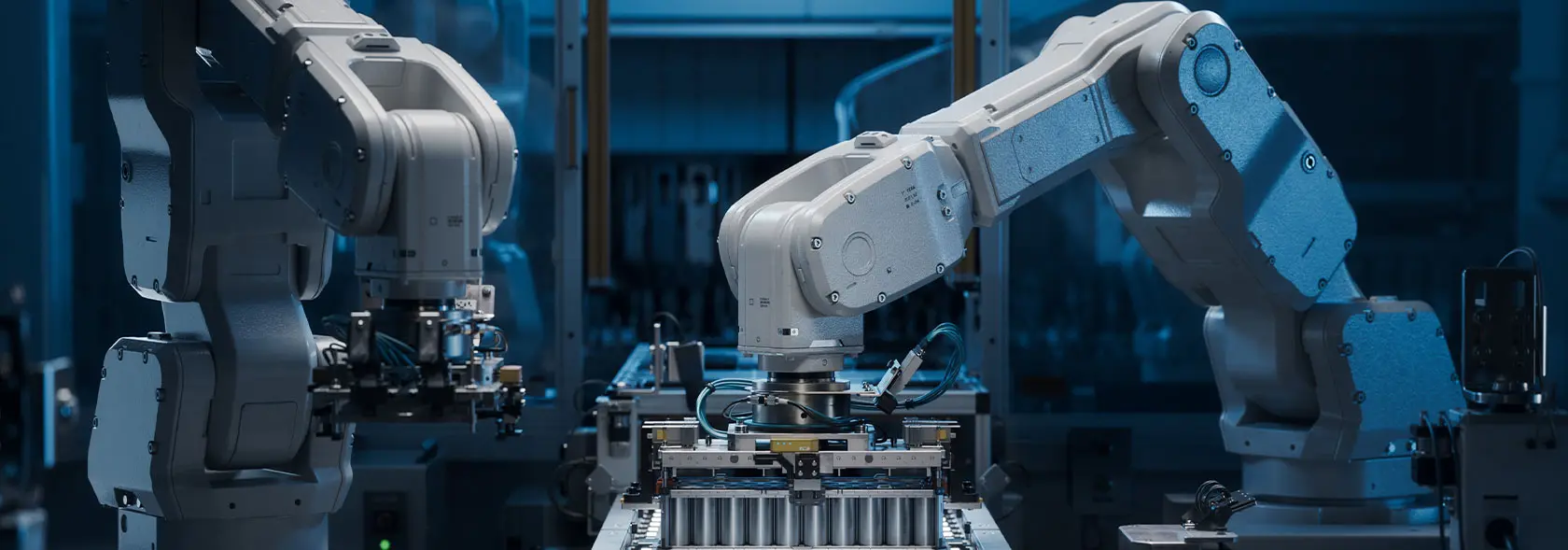
Every industrial battery pack is tested for insulation, vibration resistance, high-current discharge stability, and thermal limits.
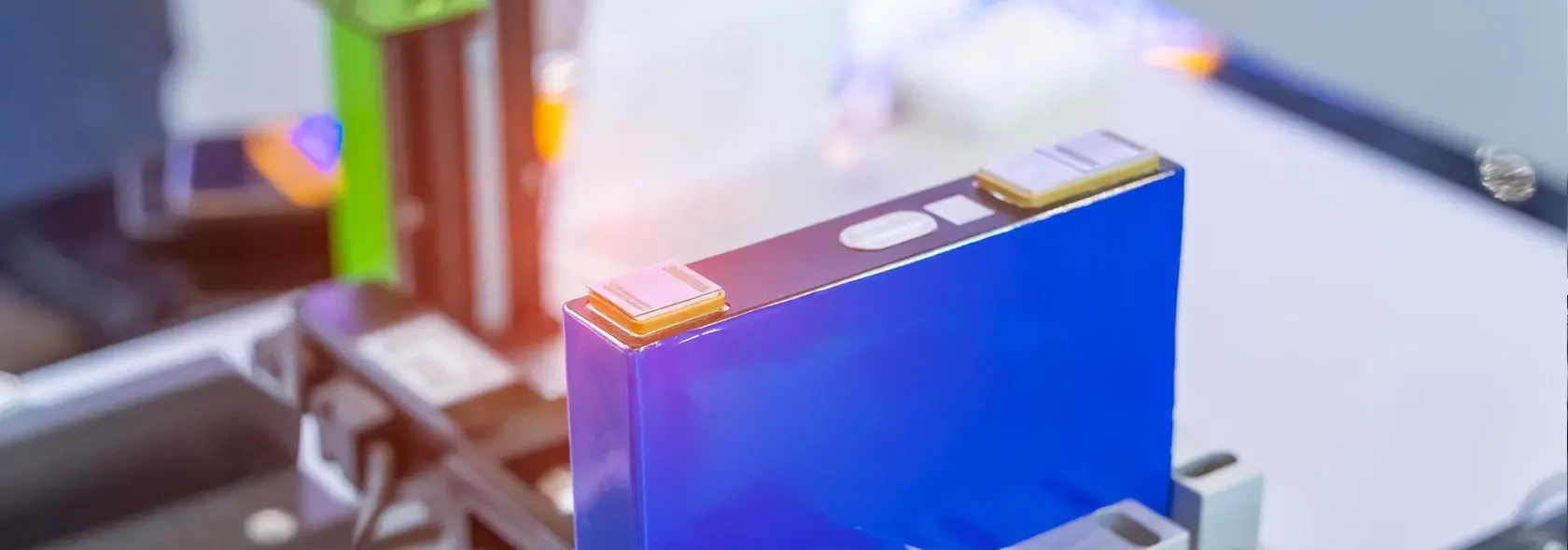
 7-Year Extended Warranty
 24 HR Commercial Technical Service
 3-4 Weeks Expedited Lead Time
 AGV / AMR Fleets
 E-Bus & Heavy Transit
 Golf Carts & LSVs
 Utility & Airport GSE
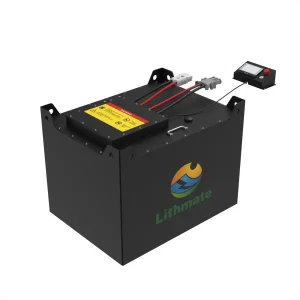
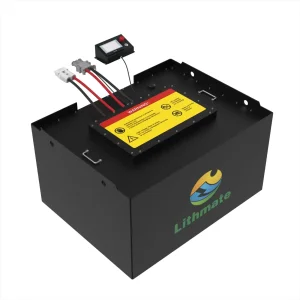
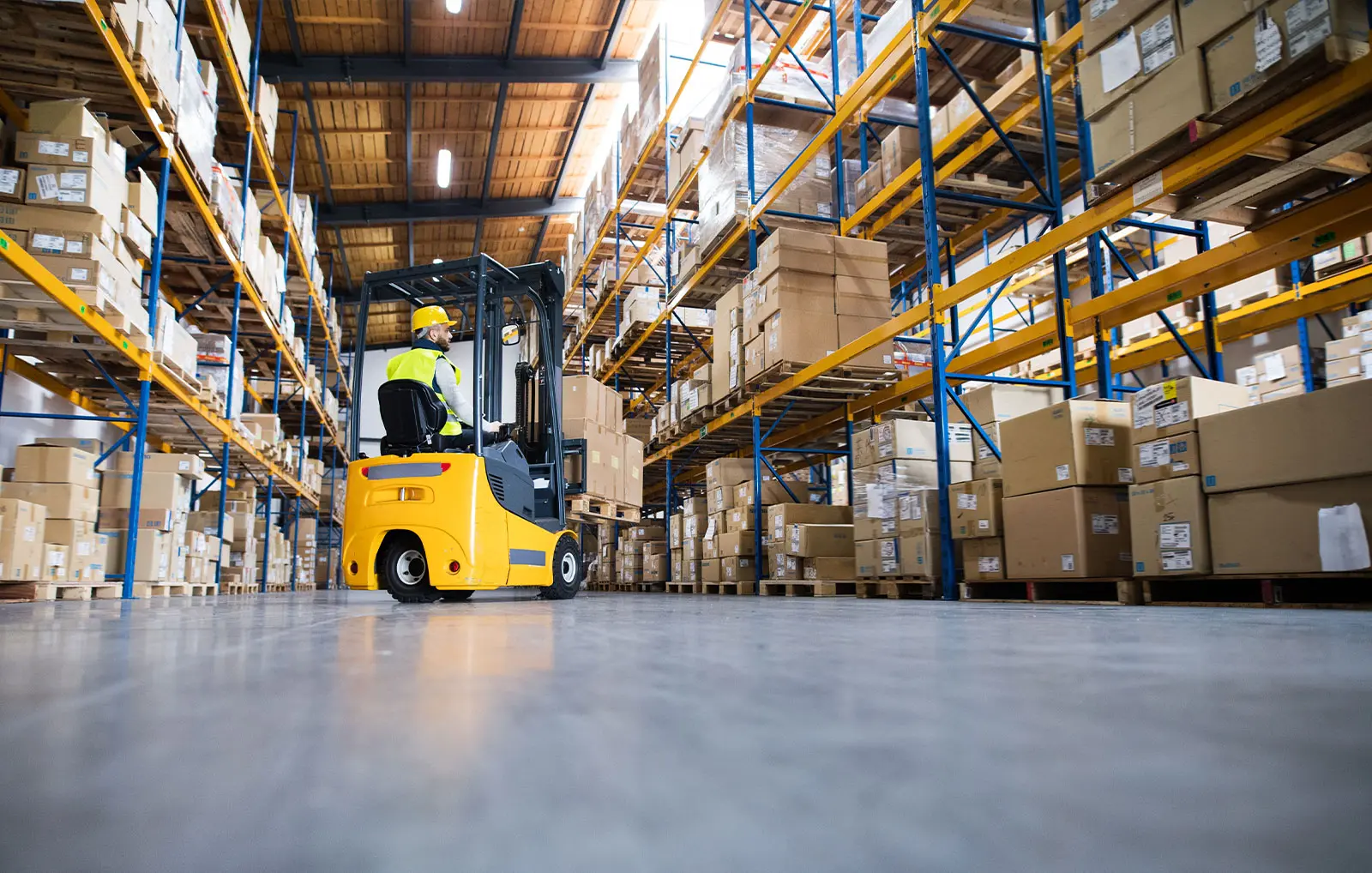
Our primary focus includes heavy-duty material handling. Forklifts, reach trucks, order pickers, and automated guided vehicles (AGVs) operate inside demanding warehousing spaces. Lithmate LiFePO4 packs allow for opportunity charging—meaning operators can recharge during lunch breaks or 15-minute shifts without damaging cell cycles. This eliminates the need for dedicated battery-swapping rooms, spare batteries, and crane lifts, helping to reduce operational footprints.
Our solutions for Class I, II, and III forklifts include custom battery weights that act as counterweights, meeting strict OEM weight specifications for vehicle stability.
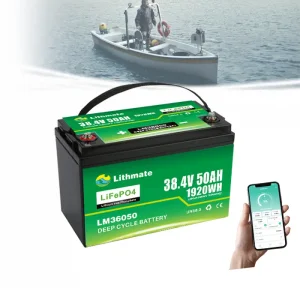
Marine environments subject electrical systems to salt fog corrosion, vibration, and mechanical impacts. Lithmate marine battery systems features IP67-rated moisture-resistant structural steel enclosures. The internal layout includes structural supports to protect the cell terminals against constant wave impact.
Our marine battery systems support leisure, commercial, and hybrid propulsion systems, ensuring reliable starting currents and auxiliary power supply.

Industrial scale and production consistency are critical for meeting global OEM demands. Lithmate New Energy maintains close strategic partnerships with top-tier cell manufacturers like CATL and EVE. This relationship helps secure a stable supply of Grade-A, automotive-standard lithium iron phosphate and sodium-ion cells, insulating our clients from raw material shortages and pricing fluctuations.
We test every raw cell for internal resistance, capacity consistency, and self-discharge rates. Automated grading algorithms pair cells within close tolerances, preventing premature module aging caused by unbalanced cells.
Manual welding can cause temperature fluctuations that damage the cell structure. Lithmate utilizes automated fiber-laser welding systems to create secure busbar connections, reducing contact resistance and maximizing high-current efficiency.





Procurement teams must evaluate the shift from lead-acid to lithium technology through the lens of capital expenditure vs. operational savings. While the initial cost of a high-quality lithium forklift battery is higher than lead-acid options, the long-term savings justify the investment:
International logistics operations require strict adherence to global safety and transport frameworks. Standard batteries that lack proper documentation can cause delays at border clearance ports, leading to unexpected logistics costs. Lithmate proactively certifies all battery models to meet regional import regulations and safety guidelines:
Lithium Iron Phosphate (LiFePO4) offers three times the service life of lead-acid options, does not require a cooldown phase, and eliminates the need for acid balancing or watering. Its higher round-trip efficiency of 95% helps reduce energy consumption, while supporting opportunity charging during short breaks to maximize operational uptime.
Yes. Standard LFP battery chemistry experiences drop-offs in performance when temperatures reach freezing. To address this, Lithmate offers packs equipped with integrated internal heating elements. When plugged into a charger in cold climates, the BMS first uses the current to heat the cell block to safe operating temperatures before beginning the charge cycle, protecting cell integrity.
No. Unlike lead-acid batteries, which suffer capacity degradation from partial charge cycles, LiFePO4 chemistry is designed for frequent, short charges. It performs best when maintained between 20% and 85% State of Charge (SoC). Charging the battery during short operator breaks helps extend continuous runtime without reducing its cycle life.
Our Smart BMS 2.0 system integrates with major industrial communication protocols, including CAN-Bus, RS485, and Modbus. This enables compatibility with vehicle controller units from leading forklift brands like Toyota, Linde, Hyster, Yale, Crown, and Jungheinrich, allowing real-time access to diagnostic data, state-of-health (SoH), and remaining operational hours.
Lithmate batteries utilize a multi-tier safety architecture. We pair LFP cells with structural isolation brackets to prevent physical damage. A high-voltage circuit breaker coordinates with the BMS to isolate the pack in the event of short circuits, overcharging, or over-discharging. Additionally, internal fire mitigation barriers help prevent localized thermal runaway from spreading.
We partner directly with leading tier-one manufacturers like EVE and CATL to source Grade-A, automotive-certified prismatic cells. These cells undergo internal testing for voltage, capacity, and resistance stability before assembly. By sourcing directly from verified suppliers, we ensure consistent cell chemistry and product reliability.
 Lithmate