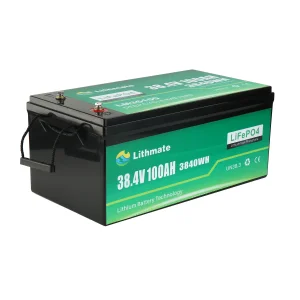
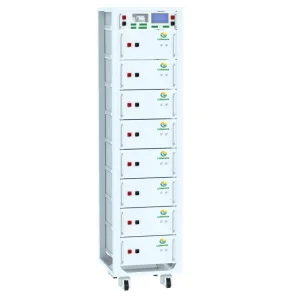
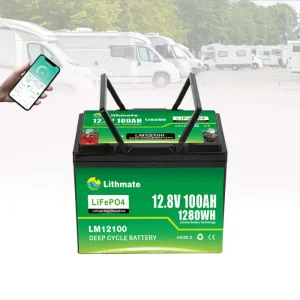
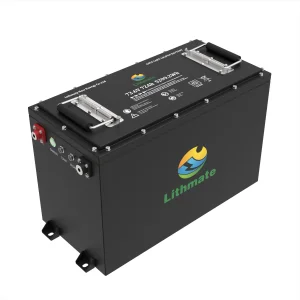
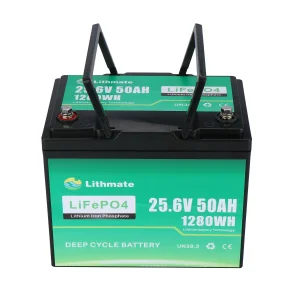
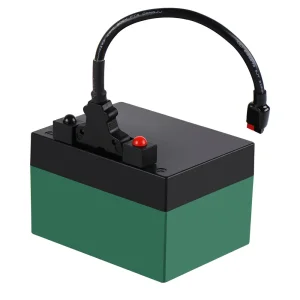
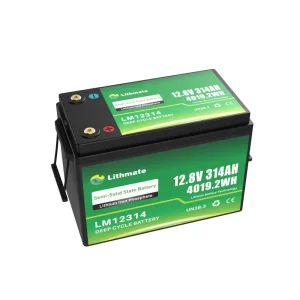
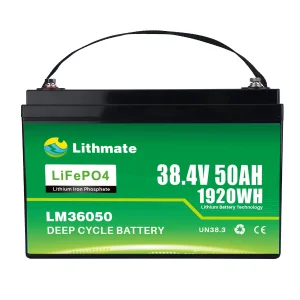
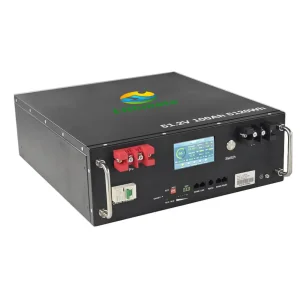
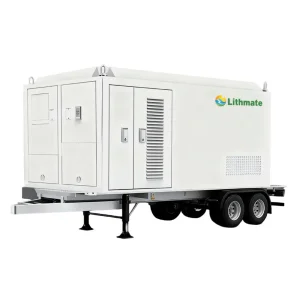
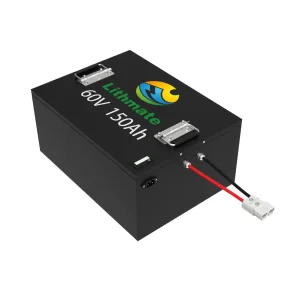
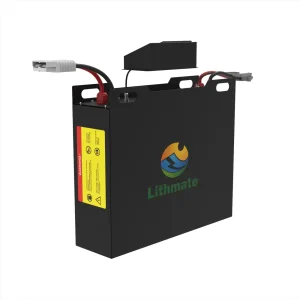
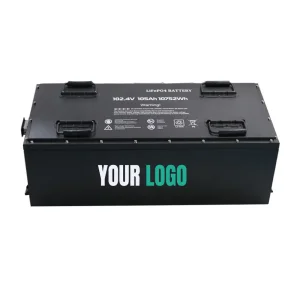
Explore our leading OEM / ODM custom solutions engineered for marine, industrial, and automotive applications.
As a leading lithium and sodium-ion battery manufacturer, our state-of-the-art facility operates in full compliance with ISO 9001 standards. Over the past decade, we have established ourselves as the primary engineering partner for electric vehicle fleets, marine vessels, and micro-grid energy systems. Every battery module we assemble satisfies strict safety certifications including CE, UL, UN38.3, RoHS, and IEC.
Our infrastructure supports the complete design, test, and manufacturing pipelines—spanning customized smart BMS algorithms, structural safety frames, and cell matching technology. By upgrading to next-generation battery chemistries, including Sodium-ion (Na-Ion) starting solutions, we provide businesses with sustainable and cost-effective alternatives to standard lithium cells.
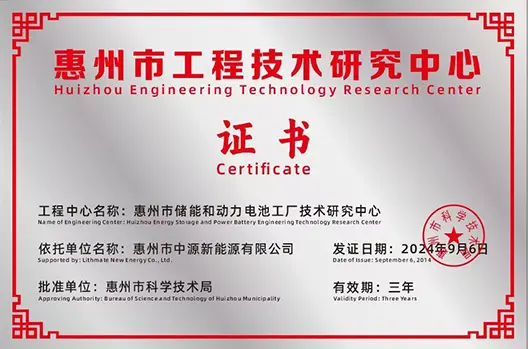
Huizhou Energy Storage and Power Battery Engineering Technology Research Center:
Recognized by government entities, this center guides our material development. We collaborate with high-tier universities to push safety boundaries and electrochemical efficiencies.
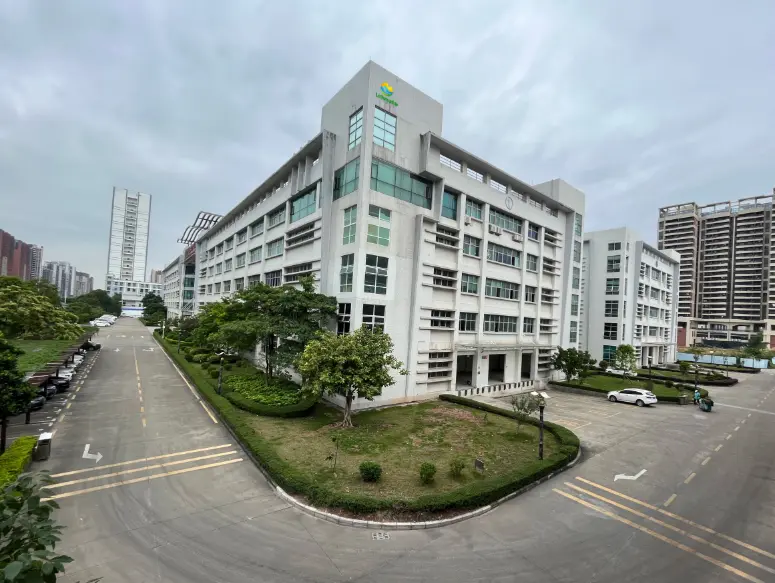
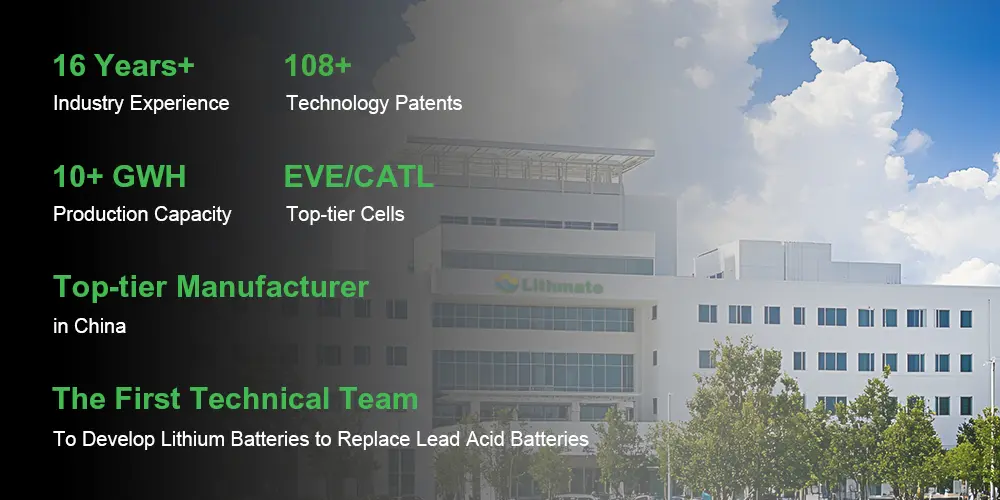
Proven excellence in power solutions manufacturing, backed by deep technology integration.
An in-depth analysis of the transition toward sodium-based electrochemical architectures for standard and specialized vehicles.
Traditional Lithium-ion cells suffer severe voltage sag and capacity degradation in extreme winter conditions. Lithmate's Na-ion battery packs maintain over 70% capacity at temperatures as low as -40°C. This provides immediate, high-amperage cranking power for passenger cars, utility trucks, and marine propulsion systems in Arctic climates.
Because sodium ions have lower solvation energy than lithium ions, they diffuse rapidly through liquid electrolytes. This enables standard Na-ion car batteries to achieve an 80% State of Charge (SOC) in less than 15 minutes, resolving grid latency constraints and shortening commercial vehicle downtime.
Sodium-ion batteries feature superior thermal safety profiles, passing severe nail penetration, crushing, and short-circuit testing without triggering thermal runaway. Moreover, Na-ion battery packs can be fully discharged to 0 Volts for transport. This eliminates the safety hazards associated with shipping charged lithium battery modules.
Our research center coordinates the transition between cathode structural designs to provide balanced output characteristics:
A smart Battery Management System (BMS) controls the voltage curves, balance currents, and safety boundaries:
Adapting battery designs to local operating climates and demanding fleet duties.
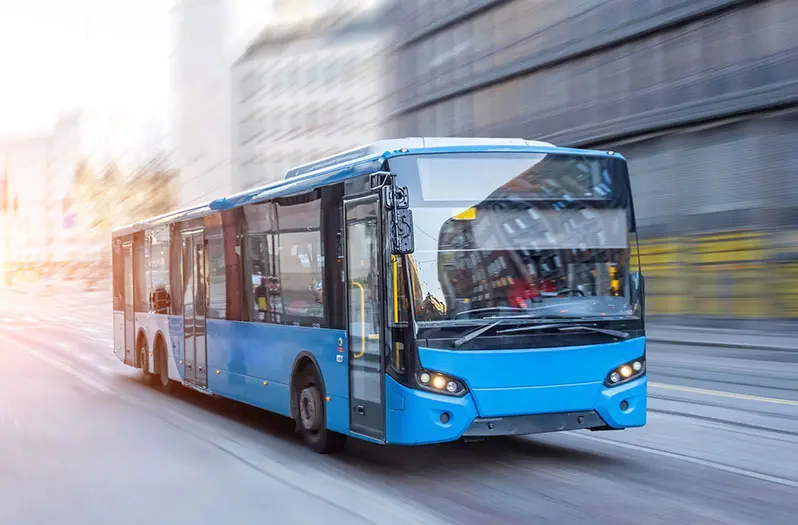
In cold northern markets, lead-acid batteries degrade rapidly, while traditional lithium-ion batteries cannot charge safely. Our Na-ion vehicle batteries function as reliable starting units, providing instant cranking power at extreme sub-zero temperatures. This ensures uninterrupted starts for passenger cars, heavy-duty trucks, and municipal public transport.
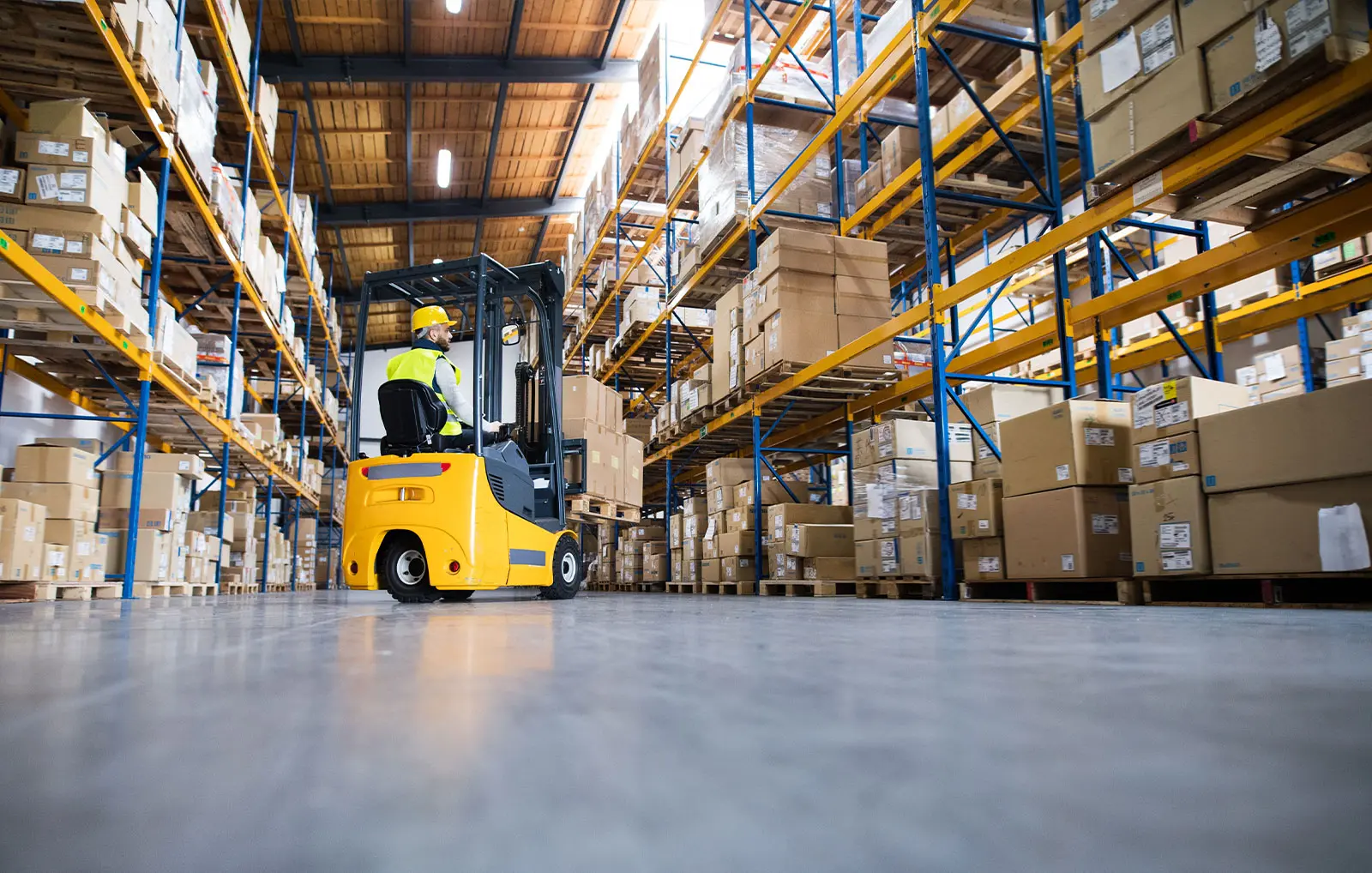
Modern automated warehouses demand high duty cycles, continuous operation, and exceptional thermal safety. By utilizing Lithmate's fast-charging Na-ion battery packs, automated guided vehicles (AGVs) can use opportunity charging to charge during brief pauses. This eliminates the need for large standby fleets and reduces localized thermal hazards near warehouse stock.
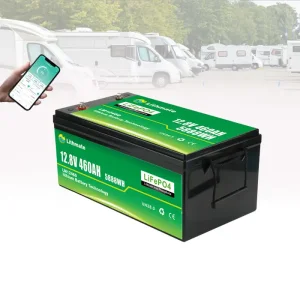
Designed for commercial fishing boats and electric pleasure craft, Lithmate marine battery systems provide dependable engine starts and steady auxiliary power. These systems are enclosed in rugged, corrosion-proof housings rated at IP67/IP68 to protect against harsh saltwater exposure, vibration, and thermal fluctuations.
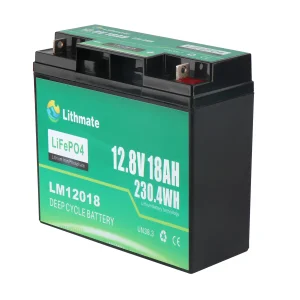
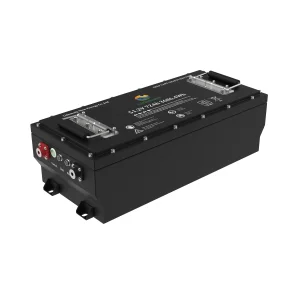
Lithmate New Energy manufactures high-performance battery packs for industrial utility vehicles. By matching cell capacities with smart BMS systems, we provide drop-in replacements for lead-acid batteries. These solutions deliver a long operational life, fast charging speeds, and maintenance-free operation in challenging environments.
Forklifts, floor sweepers, aerial work platforms, and airport ground equipment.
Propulsion systems, boat auxiliary electronics, and commercial trolling motors.
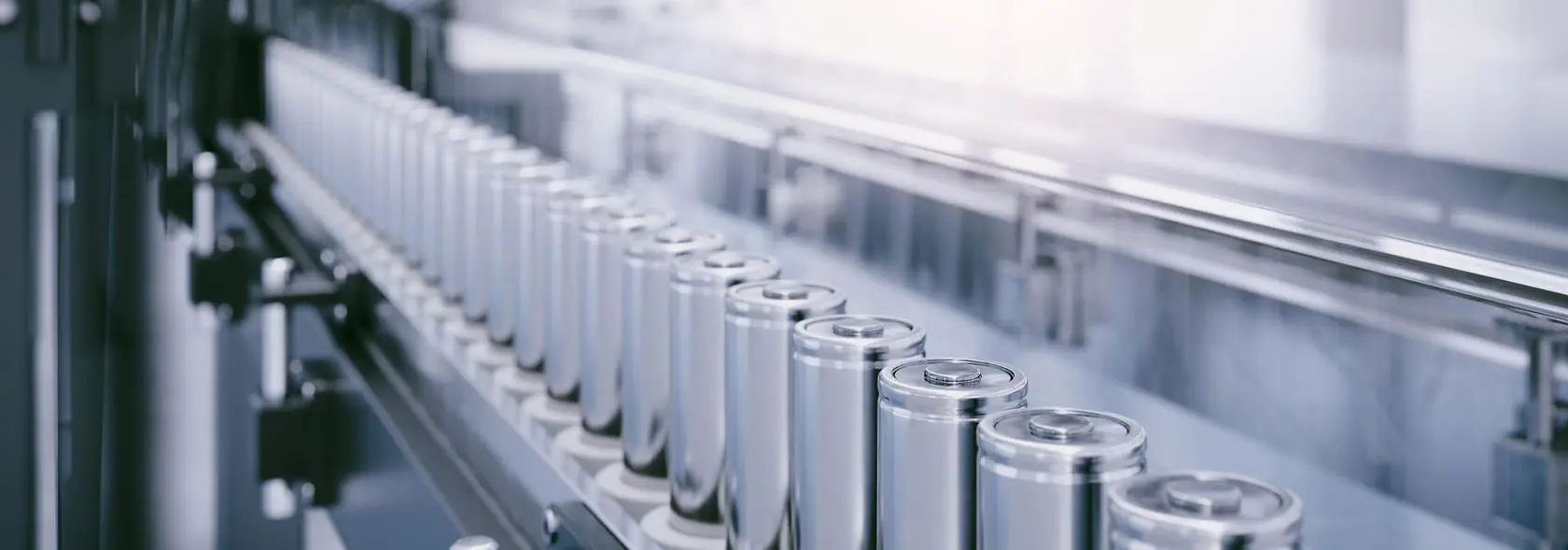
Lithmate's factory in Huizhou utilizes China’s advanced battery supply chain ecosystem. Unlike international plants facing material delays and component bottlenecks, our facility enjoys direct access to high-purity chemical precursors, cathode oxides, hard carbon anodes, and automated tooling manufacturers. This vertical integration allows us to keep production costs highly competitive.
Our automated production lines reduce assembly defects and maintain cell-to-cell consistency. Partnering with top-tier suppliers like EVE and CATL ensures a reliable supply of premium battery cells. We offer custom ODM and OEM battery pack solutions with a standard lead time of only 3 to 4 weeks.
"With an annual production capacity exceeding 5 GWH, we support volume demands for electric vehicle assembly lines, automotive parts distributors, and large utility fleet operators."
How we ensure reliable performance, global compliance, and continuous innovation.

Certified to meet safety standards including UL1973, CE, IEC 62619, and UN38.3 for global transport.

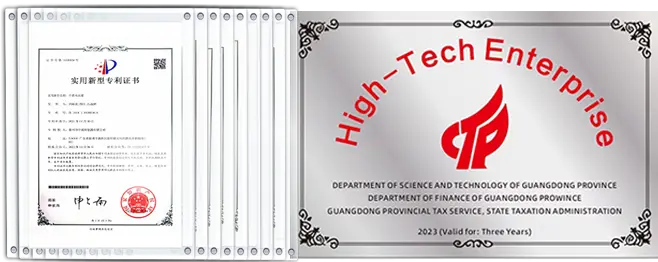
Over 100 technology patents covering Smart BMS engineering and robust module enclosures.

Strategic logistics partnerships ensure efficient ocean, air, and overland delivery globally.

Full support for custom voltage ratings, capacity requirements, sheet metal structures, and communication protocols.
Navigating global compliance rules with verified testing processes and reliable warranties.
We stand behind the quality of our engineering with a comprehensive 7-year warranty. Our customer support team helps track cell health, optimize battery parameters, and resolve field performance issues.
We provide around-the-clock technical support for engineers and purchasing managers. Our team is available to assist with custom BMS configurations, CAN-bus integration, and firmware updates.
We provide full documentation for global shipping, including MSDS reports, UN38.3 transport testing certification, and customs documentation for international clearance.
Key information regarding safety, performance, and commercial implementation of sodium-ion battery technology.
Sodium-ion (Na-ion) batteries utilize sodium ions (Na+) as charge carriers rather than lithium ions (Li+). Key differences include:
Yes. Unlike Lithium-ion cells, which can suffer copper dissolution and permanent damage when stored below 2.0V, Sodium-ion batteries can be discharged to 0 Volts without damaging the cell chemistry. This allows them to be transported safely without risk of short circuits or thermal runaway during air or ocean freight.
Under standard operating temperatures, our Na-ion battery packs achieve 3,000+ complete cycles at 80% Depth of Discharge (DOD). For typical vehicle starting and auxiliary applications, this translates to a service life of over 10 years, easily outlasting traditional lead-acid starting batteries.
Yes. Our integrated Battery Management System (BMS) manages charge current and voltage cutoffs. We can customize the BMS communication protocols (CAN-bus, RS485, Modbus) to match your vehicle controller or existing charging systems.
We support full customization, including customized enclosure dimensions (stainless steel, aluminum, or ABS), custom nominal voltages (12V, 24V, 36V, 48V, 72V, 96V, and high-voltage configurations), custom charge/discharge parameters, and smart BMS program integration.
We partner with tier-1 manufacturers, including CATL and EVE, and run automated testing protocols on all cells. Our testing covers capacity matching, internal resistance grading, thermal cycling, and high-rate discharge performance before final assembly.
Working together to build a cleaner, more reliable energy future.





Designed for demanding environments, commercial vehicles, and forklift fleets.
 Lithmate