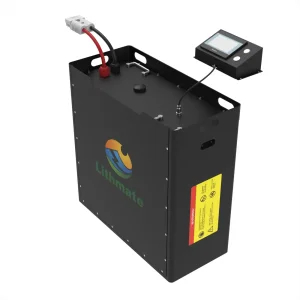
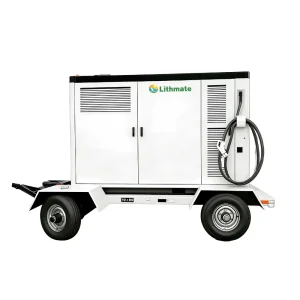
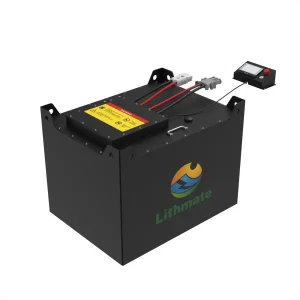
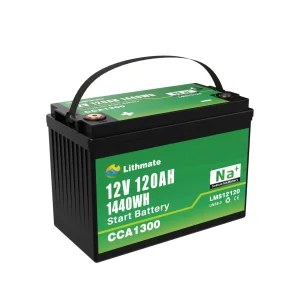
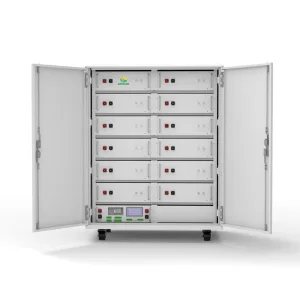
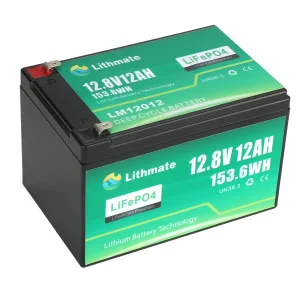
In the rapidly transforming landscape of Material Handling Equipment (MHE), the shift from traditional lead-acid systems to 24V Lithium-ion (LiFePO4) technology is no longer just a trend—it is a competitive necessity. As a premier OEM 24V Forklift Lithium Battery Charger Supplier, Lithmate is at the forefront of this energy revolution, providing the critical interface between the power grid and the electric fleet.
This white paper explores the technical nuances, macroeconomic drivers, and supply chain efficiencies that define the modern industrial battery charging ecosystem. From opportunity charging capabilities to CAN-bus intelligent communication, we analyze how 24V systems are optimizing "Class II" and "Class III" forklift operations worldwide.
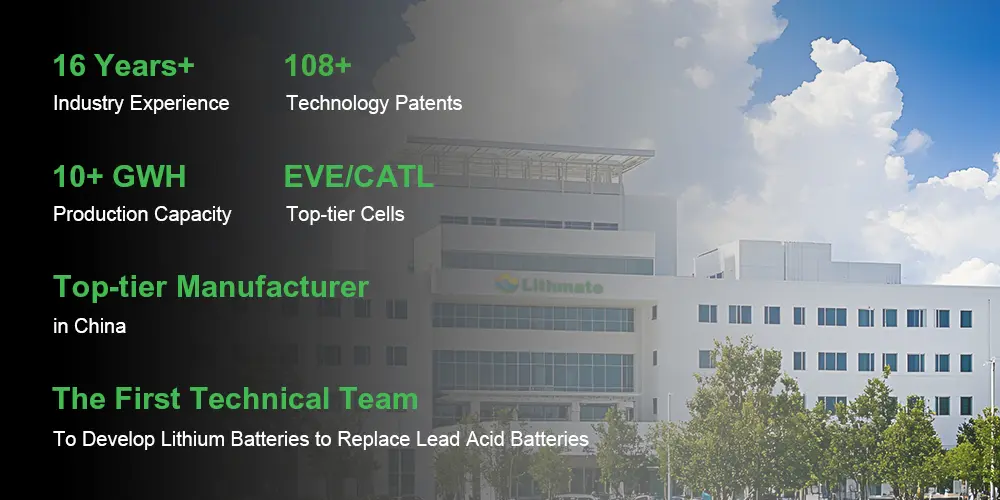
Years Experience
Factory Size (m²)
Tech Patents
Production Capacity
Top-tier Cells

Lithmate operates in full compliance with ISO 9001 standards. Our 24V chargers and batteries meet international safety certifications including CE, UL, UN38.3, RoHS, and IEC, ensuring seamless cross-border logistics and operational safety.

Continuously upgrading and innovating technologies. Our R&D laboratories support the entire manufacturing process—from module assembly to final testing with high efficiency and reliability.

Custom your own brand battery pack and complete solutions available. We specialize in tailoring BMS, casing, and charging protocols to meet specific client requirements for various MHE brands.
The roadmap for 24V forklift charging is moving toward Smart Integration and Energy Optimization. As an industry leader, Lithmate is investing in several key pillars:
Transitioning from traditional silicon-based chargers to GaN technology, allowing for 96%+ efficiency, reduced heat output, and a 30% smaller footprint for wall-mounted industrial chargers.
Our 24V chargers communicate directly with the Battery Management System (BMS) via CAN-bus protocols, optimizing current delivery based on temperature and State of Charge (SoC), extending battery life by up to 25%.
Developing unified charging platforms that can intelligently detect and support both 24V and 48V systems, simplifying infrastructure for diverse forklift fleets.
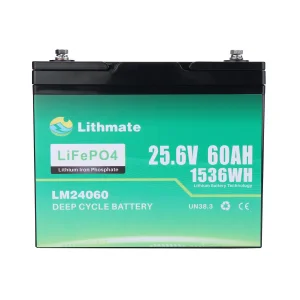
Our 24V LiFePO4 solutions are engineered for extreme environments. Unlike lead-acid, our lithium systems maintain high performance in cold storage down to -20°C, supported by integrated heating elements during the charge cycle.
For 24/7 automated environments, our rapid-charging 24V chargers support "opportunity charging"—allowing robots to top up during short idle periods, eliminating the need for battery swapping stations.
Supporting electric walkie pallet jacks and stackers used in urban distribution centers where space is at a premium and zero emissions are mandatory.
Operating from our high-tech hub in Huizhou, Lithmate utilizes Industry 4.0 manufacturing principles. Our automated production lines ensure that every 24V charger and battery pack meets rigorous quality benchmarks with minimal human error.
12V, 24V, and 48V LiFePO4 batteries for electric boats and fishing vessels. Robust performance in humid, high-vibration environments.
Custom 48V and 72V solutions for golf carts and utility vehicles, offering 3x the lifespan of lead-acid counterparts.
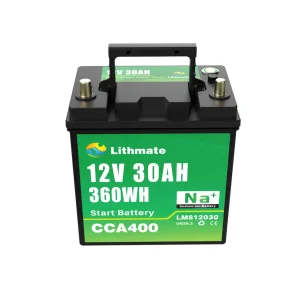
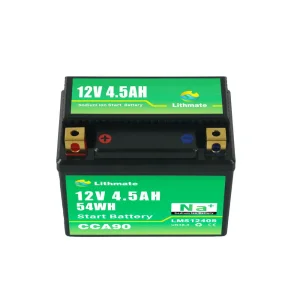
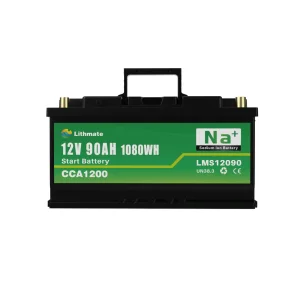
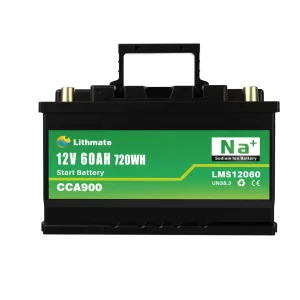
High-cranking Sodium-ion and LiFePO4 batteries for trucks and cars, designed for extreme temperature resilience (-40°C to 60°C).
When selecting a 24V Forklift Lithium Battery Charger Supplier, international procurement teams must evaluate the Total Cost of Ownership (TCO) rather than just the initial purchase price. Lithmate assists global enterprises by addressing:
| Criteria | Traditional Solution (Lead-Acid) | Lithmate Lithium Solution |
|---|---|---|
| Charging Time | 8-10 Hours (Needs Cooling) | 1-2 Hours (No Cooling Needed) |
| Maintenance | Watering, Equalizing, Cleaning | Zero Maintenance (BMS Managed) |
| Energy Efficiency | ~75% Efficiency | ~95%+ Efficiency |
| Cycle Life | 1,500 Cycles | 4,000 - 6,000 Cycles |
No. Lithium batteries require a specific constant current/constant voltage (CC/CV) charging profile and CAN-bus communication with the BMS to ensure safety and longevity. Using a lead-acid charger can damage the cells and void the warranty.
Opportunity charging allows operators to plug in the battery during lunch breaks or 15-minute gaps. This keeps the battery within the 20%-80% "sweet spot," allowing for multi-shift operations without battery swapping.
We provide full documentation including MSDS, UN38.3 test reports, and UL/CE certifications. We also offer localized technical support through our global partner network to ensure your equipment meets regional safety regulations.
Most high-utilization warehouses see a Return on Investment (ROI) within 18 to 24 months through reduced energy bills, zero maintenance costs, and increased labor productivity.
 Lithmate