Engineered for high efficiency, durability, and rapid opportunity charging across demanding logistics applications
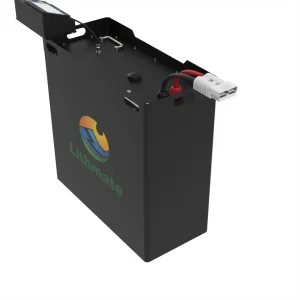
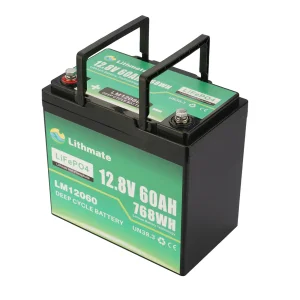
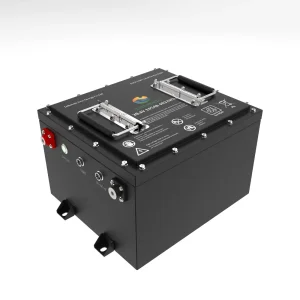
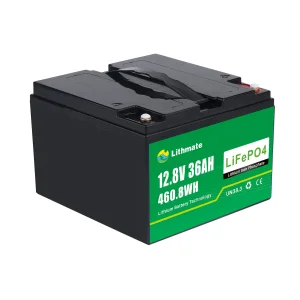
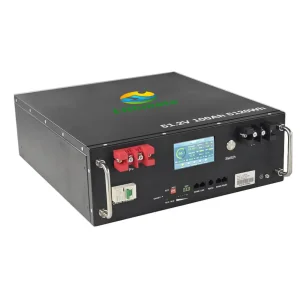
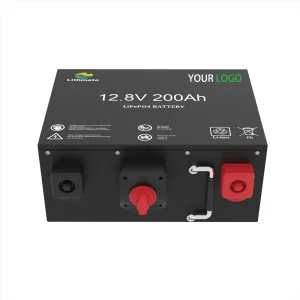
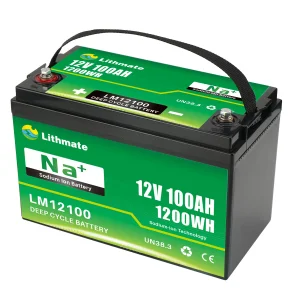
Navigating the transition from legacy energy options to high-durability thermal-regulated battery cells in sub-zero applications
Cold chain logistics represents one of the most operationally intense segments of global supply chain management. With storage temperatures dropping to -20°C, -30°C, or even -40°C, material handling equipment must perform reliably under severe thermal constraints. Traditional lead-acid batteries fail to meet modern efficiency standards under these conditions, losing up to 50% of their operational capacity when exposed to sub-zero environments. This reduction in discharge rates translates directly into frequent battery swaps, decreased forklift travel speed, sluggish hydraulic lifting speeds, and ultimately, an inflated Total Cost of Ownership (TCO).
Beyond pure capacity loss, thermal fluctuations introduce condensation, which is a major factor in electrical failures. Moving a forklift from a sub-zero cold room to an ambient temperature charging zone causes immediate moisture buildup on internal surfaces. Without custom, fully sealed protection (IP67 or IP69 ingress protection) and smart thermal management systems, this condensation can lead to short circuits, accelerated corrosion of terminal pins, and eventual failure of the Battery Management System (BMS).
"A transition to custom OEM lithium-ion and sodium-ion systems with integrated thermal management represents the single highest operational leverage point for modern automated cold storage operations."
The global material handling industry is undergoing a structural shift driven by automation, sustainability, and strict cold-chain compliance. Three prominent trends define the current state of cold storage power:
When multinational corporations source battery power systems for large-scale fleets, the evaluation process extends beyond the initial purchase price. Key metrics include:
Total Cost of Ownership (TCO): Procurement managers calculate the ROI of lithium vs. lead-acid by analyzing maintenance savings (watering elimination, no dedicated charging rooms), cycle life (3,000+ full cycles for LiFePO4), and energy efficiency. By utilizing opportunity charging during breaks, cold storage operations can run continuous multi-shift schedules with a single battery per truck.
OEM & Protocol Compatibility: Forklift fleets are often heterogeneous, comprising units from various global brands. Third-party battery suppliers must deliver plug-and-play compatibility, ensuring the CANbus protocol on the battery communicates with the forklift's controller.
Compliance and Global Standards: Global distribution networks require strict safety compliance. Factories must align production outputs to meet CE, UL (specifically UL2580 and UL991), UN38.3 (for safe logistics transit), RoHS, and IEC standards.

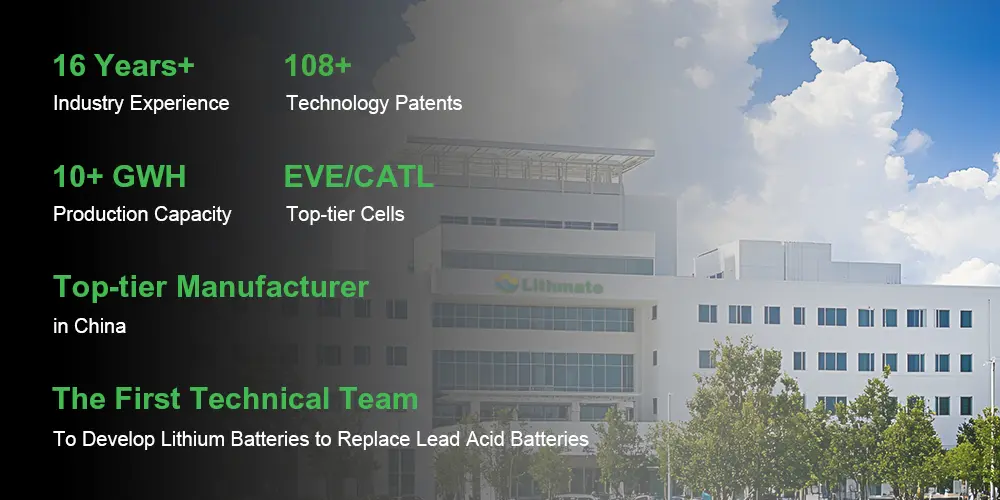
As a professional lithium battery manufacturer, Lithmate New Energy Co., Ltd. operates in full compliance with ISO 9001 standards. All our products meet multiple international safety certifications, including CE, UL, UN38.3, RoHS, and IEC. At Lithmate, we are committed to continuously advancing and improving lithium-ion battery pack technology.
Our factory is equipped with fully automated and semi-automated production lines, along with advanced battery testing equipment and R&D laboratories. This allows us to support the entire manufacturing process—from research and design to module assembly and final testing—with high efficiency and reliability.
In our Huizhou Energy Storage and Power Battery Engineering Technology Research Center, Lithmate implements smart manufacturing processes to ensure reliability and performance. Through automation, we monitor cell consistency, internal resistance, and weld quality at every stage.
By leveraging localized supply chains in China, we secure raw materials (from cathode active material to BMS semiconductor chips) at stable pricing. This vertical integration allows us to offer 3-4 week deliveries for custom products, compared to the industry standard of 8-12 weeks.
Engineered for safety, designed for performance, and backed by a comprehensive service network

Our batteries are fully certified with CE, UN38.3, MSDS, UL, IEC, and RoHS certifications. We meet global safety standards to ensure secure operations.

With over 100 patents in BMS designs, battery modules, and connection structures, we are recognized as a National High-tech Enterprise.

We build customized configurations for voltage, capacity, dimension, weight, case design, and internal heating functions to meet cold room specs.

Our long-term commitment to quality ensures your fleet stays powered with high performance for years to come.

Our technical team is on call to solve integration issues, assist with BMS commissioning, or troubleshoot fleet operations.

Streamlined supply chain logistics allow us to assemble, test, and ship custom battery packs quickly.
Our solutions provide consistent power for industrial material handling, marine transportation, AGVs, and electric vehicles
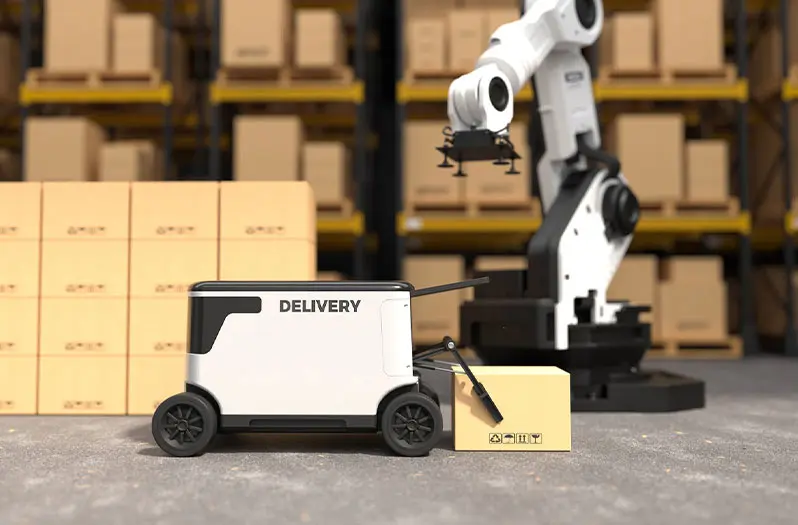
 AGV / AMR Platforms
High-rate discharge and rapid charging support automated warehousing operations. Compatible with automated charging stations.
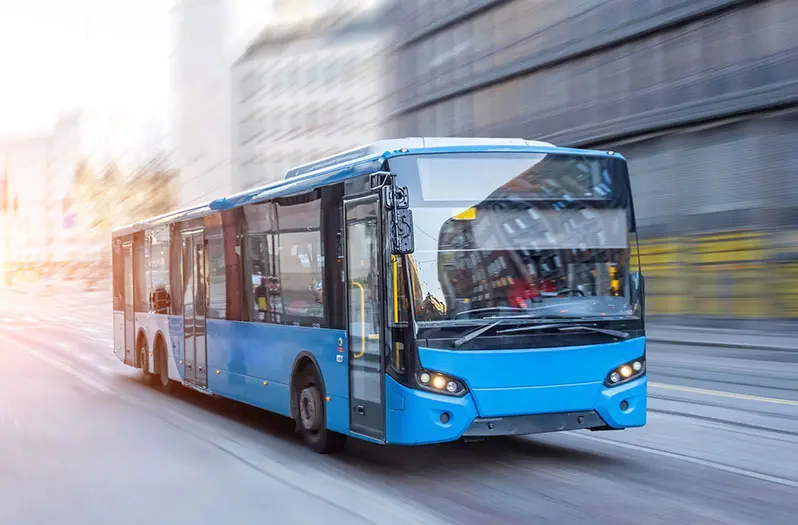
 Electric Vehicle & LSV
Custom lithium configurations for golf carts, low-speed vehicles, and personal mobility devices, prioritizing range and safety.

 Marine & Fishing Boats
Vibration-resistant deep cycle LiFePO4 batteries (12V to 96V) built to handle harsh, humid offshore environments.
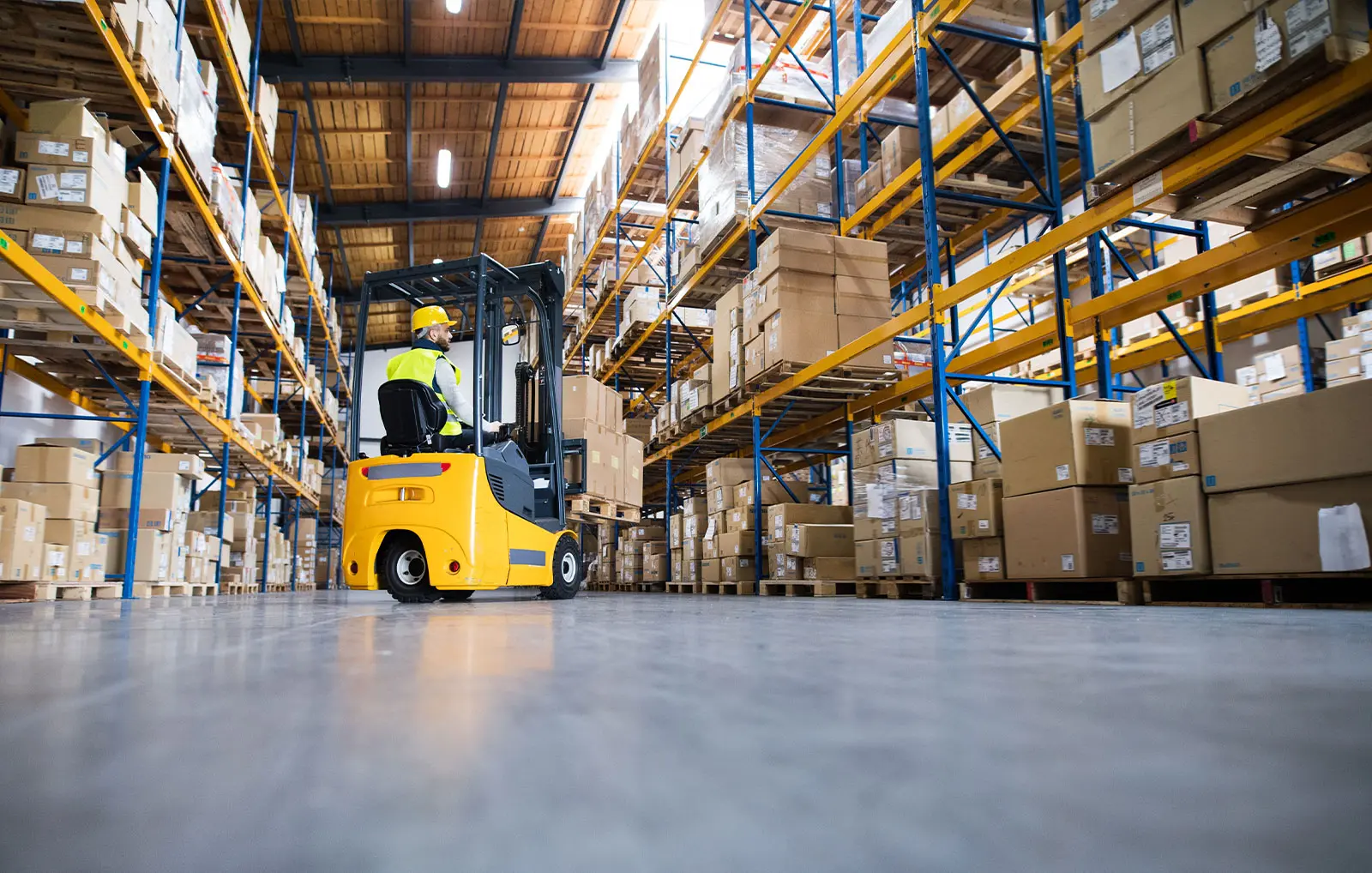
 Industrial Forklifts
Heavy-duty power systems for pallet jacks, reach trucks, and counterbalance forklifts. Built to withstand cold-room operations.

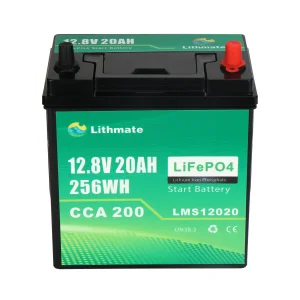
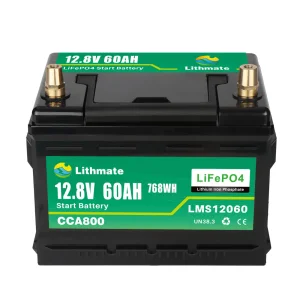
As a manufacturer specializing in starting batteries, we offer advanced technologies tailored for performance and durability. We supply both high-rate sodium-ion and lithium iron phosphate (LiFePO4) options. Designed with an emphasis on safety and service life, our batteries provide reliable cold-cranking power (CCA) for marine vessels, cars, heavy duty trucks, motorcycles, and jet-skis.
Our sodium-ion starting batteries maintain optimal efficiency and discharge power in extreme cold as low as -40°C, making them suitable for sub-zero engines. Meanwhile, our LiFePO4 batteries offer lightweight structures, stable thermal limits, and deep cycling capabilities.
Get answers to common technical, logistics, and performance questions regarding industrial sub-zero battery design
Trusted by material handling, logistics, and marine businesses worldwide





Explore our heavy-duty and light industrial lithium power options manufactured to international safety standards
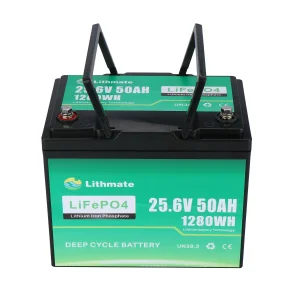
 Lithmate