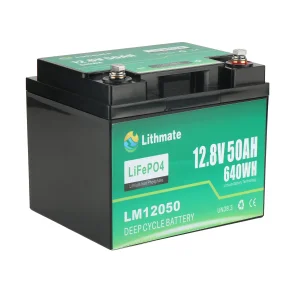
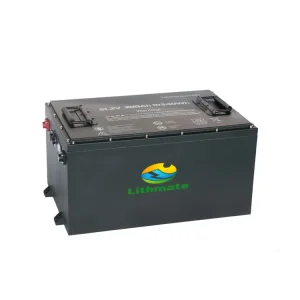
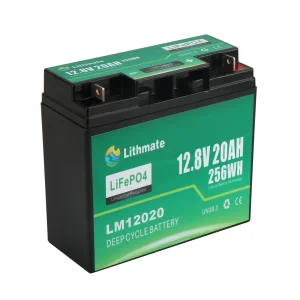
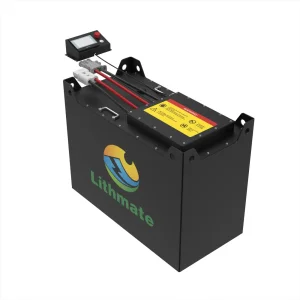
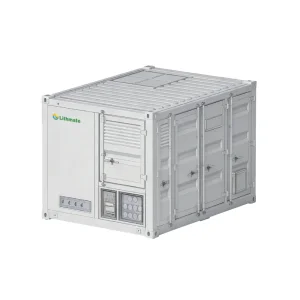
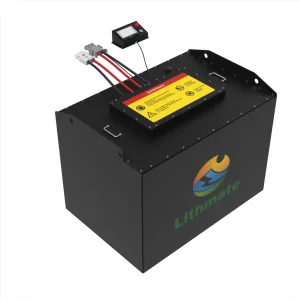
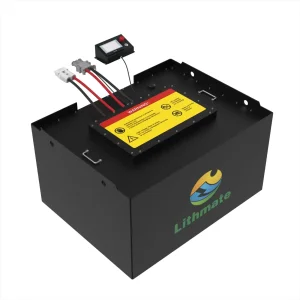
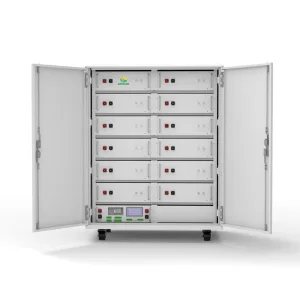
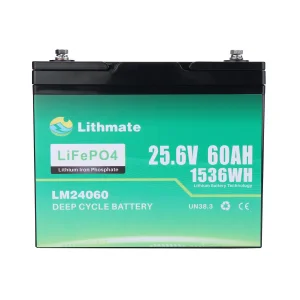
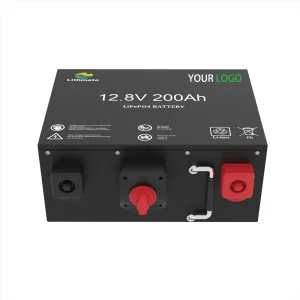
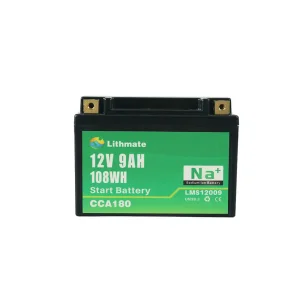
Global container terminals are undergoing a monumental paradigm shift. As maritime trade volume grows alongside strict environmental regulations (such as IMO carbon neutral goals and localized harbor clean air action plans), ports must completely decarbonize ground handling fleets. Traditional heavy duty equipment, from large empty container handlers to reach stackers and high-capacity port terminal forklifts, has long relied on diesel internal combustion engines or inefficient, high-maintenance lead-acid battery packs.
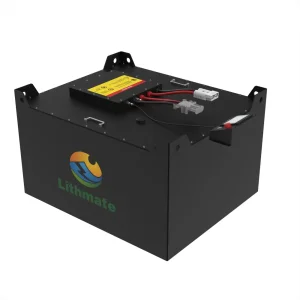
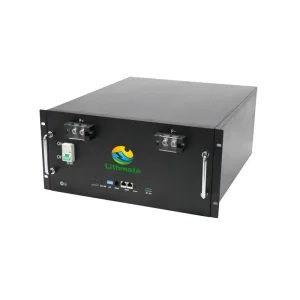
In highly demanding 24/7 port operations, lead-acid batteries fail to meet production parameters due to slow charging cycles (8-10 hours), short lifespans (1,500 cycles), hazardous emissions, and the requirement of physical swap areas. Lithmate's industrial grade lithium iron phosphate (LiFePO4) battery packs solve these limitations directly. By delivering 1C opportunity charging, >3,500 full charge cycles, and integrated thermal runaways prevention, our heavy-duty power packs serve as the primary catalyst for automated guided vehicles (AGV), electric terminal tractors (ETT), and ultra-heavy terminal forklifts.
Opportunity Charging: Lift trucks run continuously. While lead-acid batteries require dedicated swap spaces and cooling periods, LFP batteries can take fast opportunity charges during operator breaks (15-20 minutes) without damaging cell chemistry.
Operational Efficiency: Eliminates battery swap rooms, freeing up valuable storage real estate at port terminals, while mitigating safety risks associated with lifting multi-ton lead acid batteries.
Zero Emissions: Matches the regulatory compliance needed for modern green ports, improving localized working conditions and complying with international ESG criteria.
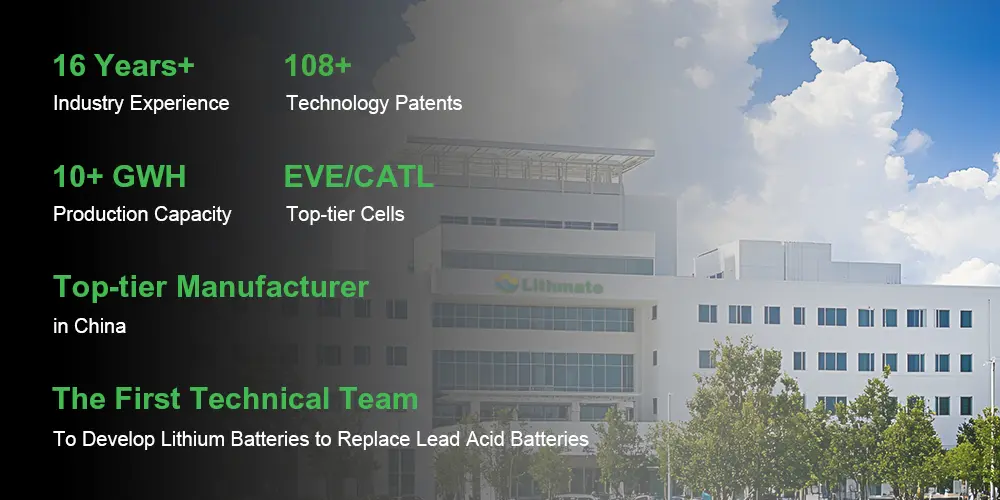
As a leading lithium battery manufacturer, our state-of-the-art facility operates in strict compliance with ISO 9001 quality management guidelines. Our engineering standards are built upon international benchmarks, obtaining certifications from CE, UL, UN38.3, RoHS, and IEC. Lithmate commits to continuous innovation, focusing on smart Battery Management Systems (BMS), high-power density cell integration, and high-voltage platform configurations for heavy industrial machinery.
Our production facilities utilize semi and fully automated production configurations, robust environmental chambers, and high-voltage load testing laboratories. This complete integration ensures absolute control from initial mechanical engineering and structural development to module assembly, thermal management configuration, and final load testing under harsh port simulation loads.
Marine container terminals represent some of the most punishing operational environments globally. Forklifts and heavy handlers deployed in these areas are subject to harsh localized stresses that domestic indoor warehouses never encounter. Designing an industrial port forklift battery requires rigorous material selection to withstand specific environmental challenges:
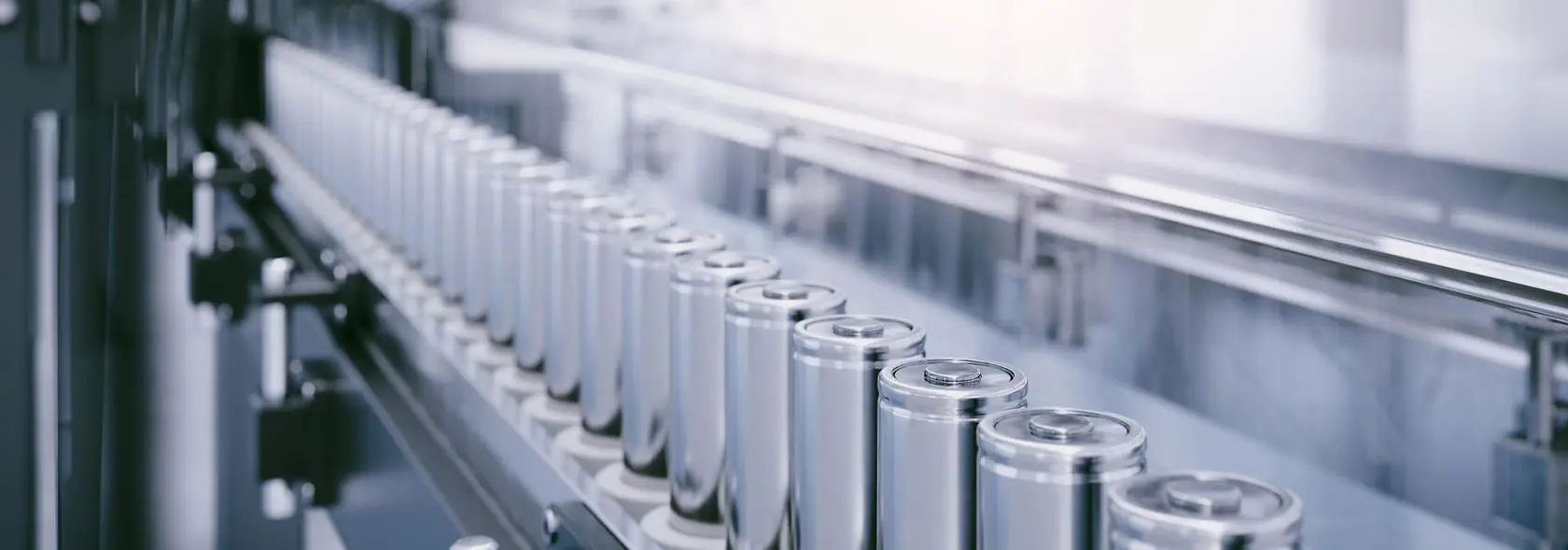
Marine environments are laden with sodium chloride aerosols. Moisture combined with airborne salts leads to galvanic corrosion of electrical connectors. Lithmate uses heavy-duty, IP67-rated steel enclosures, coated with specialized anti-corrosive powder finishes, alongside hermetically sealed contactors and gold-plated sensor pins to prevent saline ingress and subsequent short circuits.
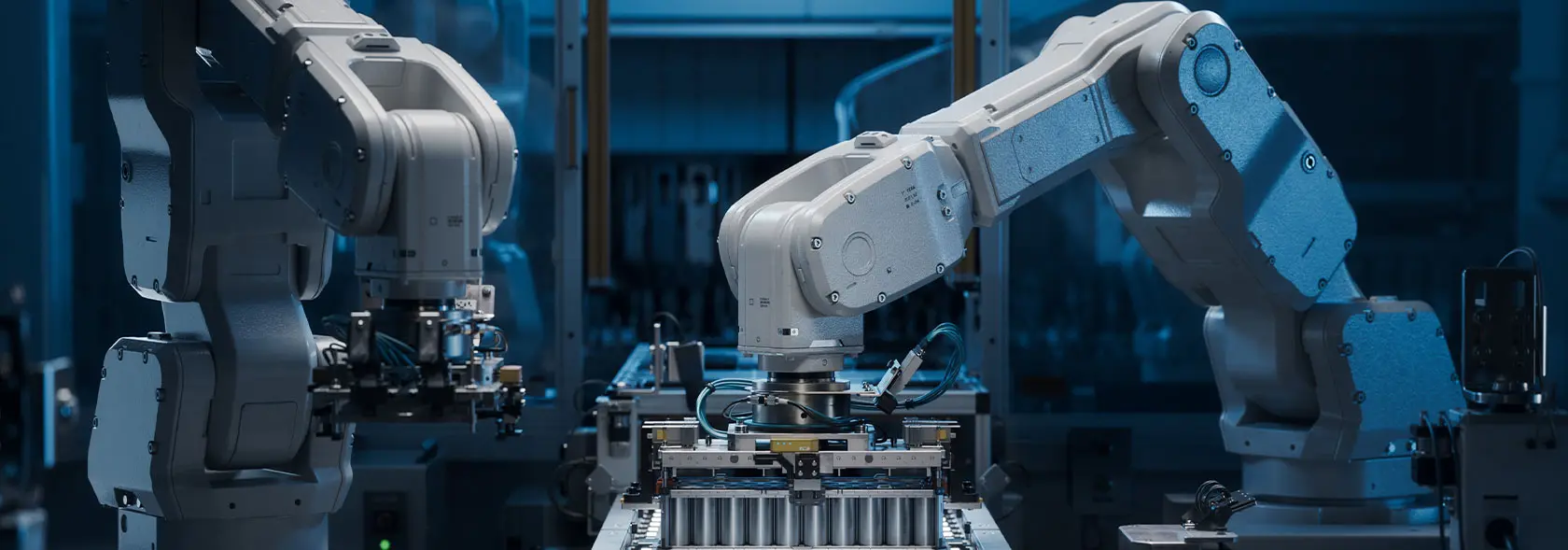
From ports in Northern Europe experiencing sub-zero winters to tropical hubs in Southeast Asia where asphalt temperatures exceed 50°C, forklift batteries must adapt. We integrate active thermal management systems. For cold climates, self-heating film runs off grid power during charging, while liquid-cooled modules keep cells within optimal operating limits (25°C to 38°C) under high discharge loads.
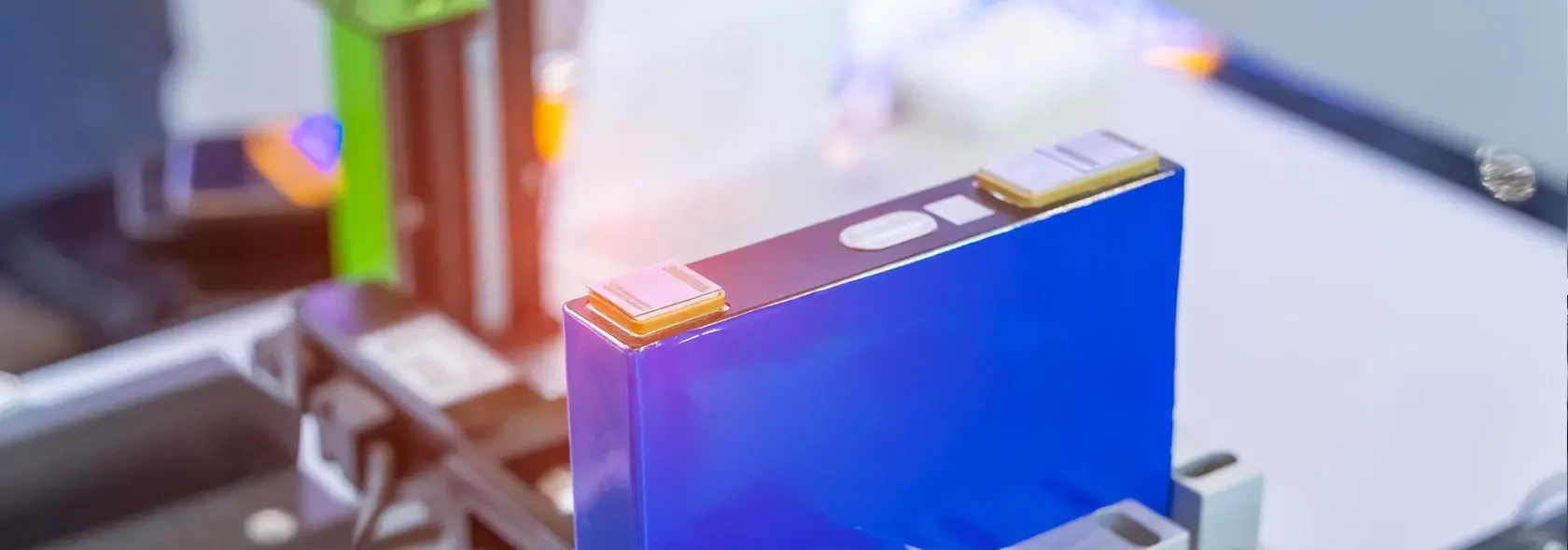
Traversing uneven crane rails, expansion joints, and concrete berths creates high-frequency vibrations and severe vertical shocks. Traditional lead-acid batteries risk cracked plates and terminal degradation. Lithmate designs cell assemblies with custom internal structural braces, silicone shock absorbing pads, and robust wire-bonding configurations that pass rigorous drop and vibration tests.
As the industrial battery sector evolves, Lithmate continues to invest heavily in advanced battery R&D. Our technological roadmap focuses on increasing system energy density, enhancing functional safety, and lowering total cost of ownership (TCO) for global port authorities and terminal operators.
Heavy machinery requires substantial current. Traditional 48V or 80V systems yield high currents, leading to excessive heat generation in cables and connectors. Lithmate is shifting toward high-voltage systems (up to 614V and 700V architectures) to enable megawatt-level opportunity charging. This reduces charge times from hours to under 30 minutes for large-scale container handling equipment.
While LiFePO4 remains the standard for temperate regions, sodium-ion technology is emerging as an option for cold climates. Operating down to -40°C with excellent high-rate discharge capability and high safety profile, Lithmate's sodium-ion starter and industrial battery variants represent a resilient alternative for arctic ports and cold-storage facilities.
Our Battery Management Systems utilize advanced state-of-charge (SoC) and state-of-health (SoH) algorithms. Connected via CAN bus or IoT telemetry, terminal control centers can monitor fleet battery status, schedule charge times to manage grid demand, and perform predictive maintenance before any physical issues occur.
As a leading Chinese battery manufacturer, Lithmate leverages a highly integrated industrial ecosystem. Working directly with top-tier raw material suppliers and global Tier-1 battery cell manufacturers like CATL and EVE, we guarantee consistent cell supply, competitive cost structures, and fast adaptation to market demands.
Our OEM and ODM capabilities allow us to design and build custom battery packs tailored to the requirements of port logistics companies, forklift manufacturers, and heavy-equipment fleets worldwide. With 100+ patents in BMS development, cell packaging, and thermal design, we offer high-performance solutions engineered to withstand demanding operating environments.

Fully certified to meet ISO 9001, CE, UL, UN38.3, RoHS, and IEC standards.

Constantly upgrading R&D processes with high-rate cells and advanced thermal systems.

Global logistics and support networks ensure timely delivery and localized warranty services.
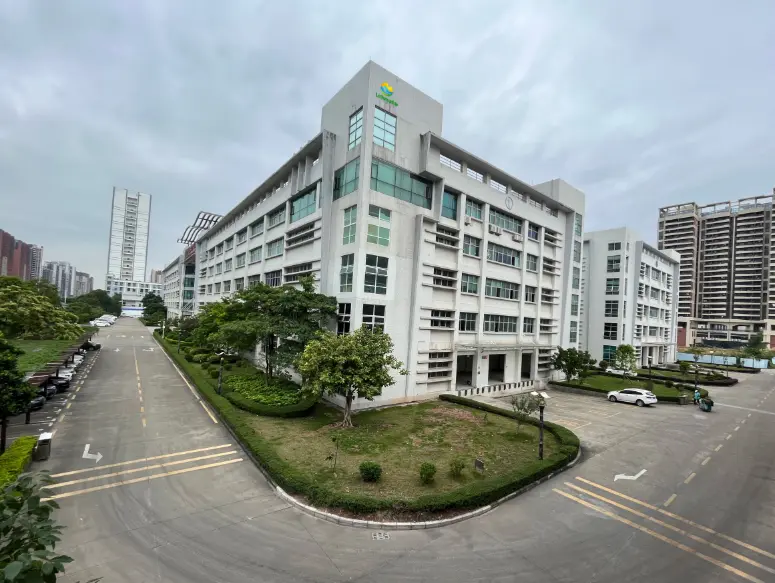
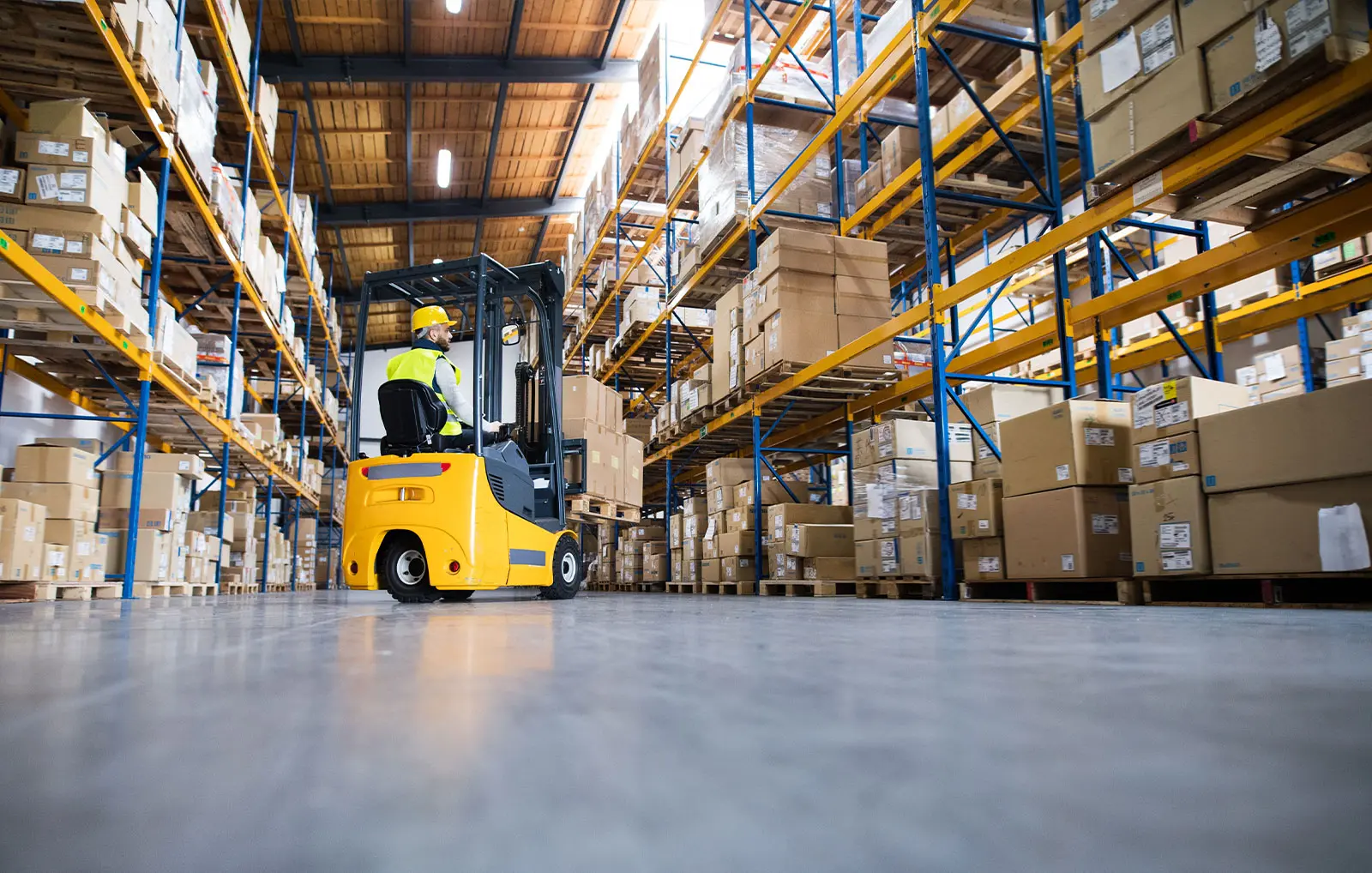
High-capacity LFP batteries designed specifically for electric forklifts, reach trucks, AGV/AMRs, floor cleaning sweepers, and aerial work platforms (AWPs). Engineered for fast charging, low maintenance, and continuous multi-shift operations.

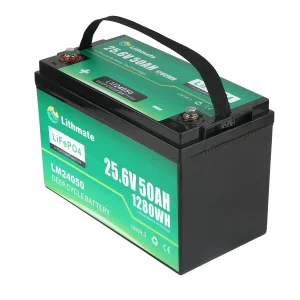
Corrosion-resistant marine LiFePO4 battery systems available in 12V, 24V, 36V, 48V, and 96V configurations. Designed for fishing boats, commercial electric vessels, trolling motors, and onboard auxiliary systems.
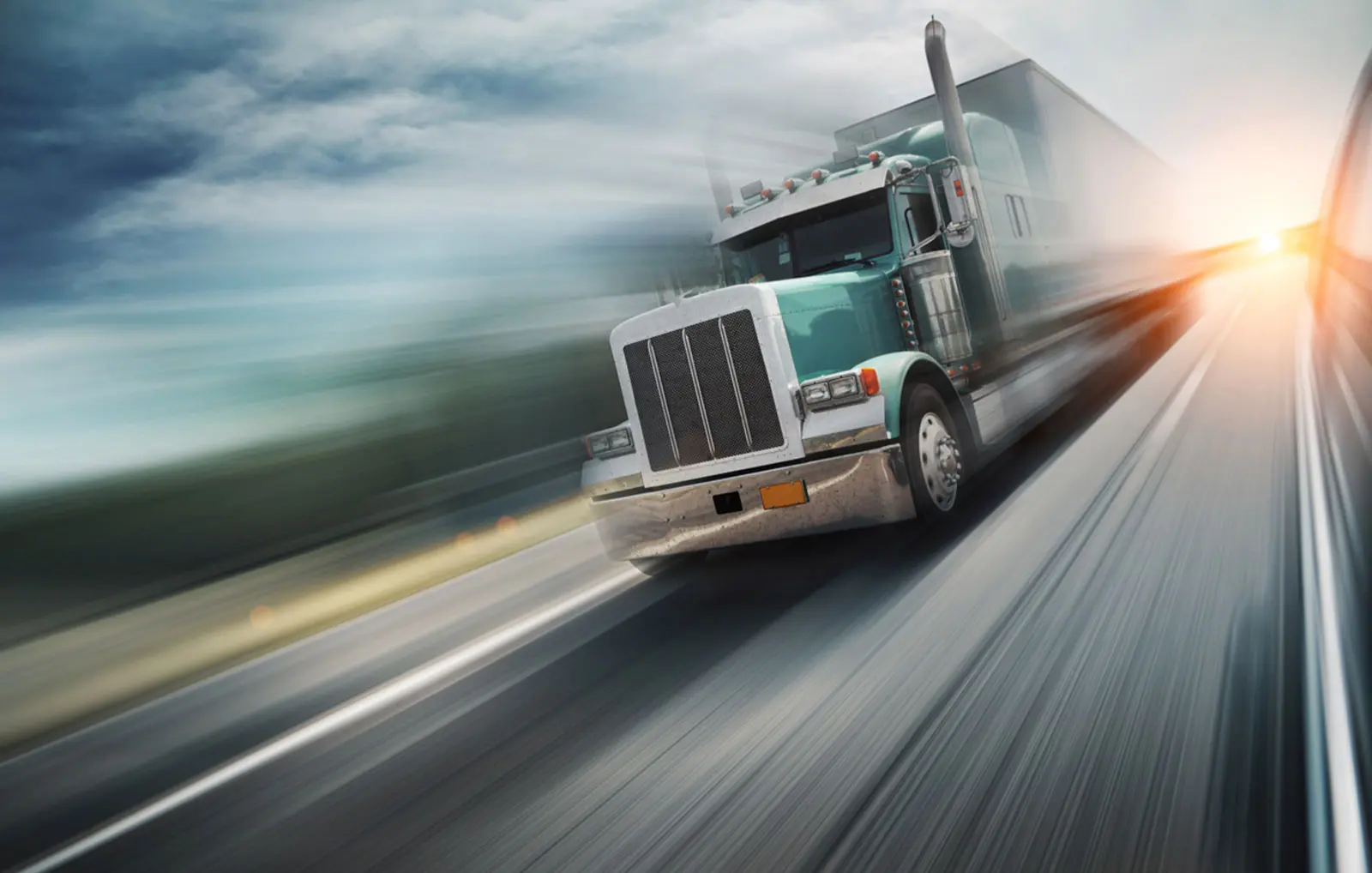
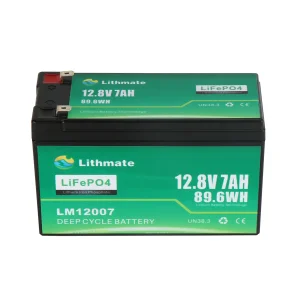
Advanced sodium-ion and LiFePO4 starting batteries offering high cold-cranking amps (CCA). Engineered for rapid, reliable engine ignition in cars, heavy trucks, marine vessels, motorcycles, and personal watercraft.

Long-term protection covering critical performance metrics.

Technical assistance to minimize operational downtime.

Efficient manufacturing cycles with fast dispatch options.
Lithmate is recognized as a National High-tech Enterprise and operates the Huizhou Energy Storage and Power Battery Engineering Technology Research Center. We collaborate with national engineering universities and independent laboratories to develop and test chemistry configurations. Our products undergo third-party evaluation to verify safety, transportation compliance, and cycle durability.
Our designs are tested and certified for transport safety (UN38.3, MSDS) and comply with international performance standards, including CE, UL, IEC, and RoHS. These certifications ensure our batteries meet the safety and quality requirements of global industrial operations.
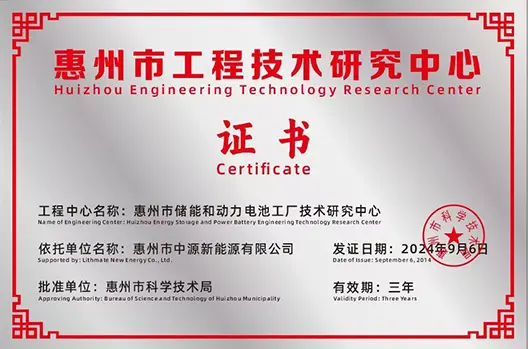
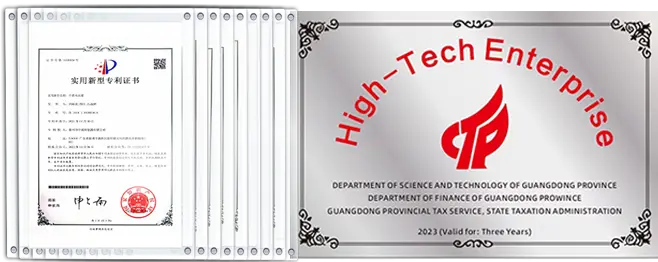





Insights regarding technology selection, system safety, operational ROI, and custom options for industrial terminal fleets.
 Lithmate