The global automotive and energy storage landscapes are undergoing a profound paradigm shift. While Lithium-ion (specifically LiFePO4 and NCM chemistries) has dominated the electric vehicle revolution for the past decade, resource constraints, geopolitical friction in supply chains, and safety concerns have accelerated the demand for alternative battery chemistries. Enter the Sodium-Ion (Na-Ion) Battery.
Using abundant sodium resources instead of scarce lithium, sodium-ion technology provides a remarkably resilient alternative. Over the past three years, the chemical composition of sodium-ion battery cells has evolved from laboratory experimentation to multi-gigawatt-scale production. OEMs and tier-1 automotive suppliers globally are recognizing that while Na-ion cells possess slightly lower energy densities (historically 140–160 Wh/kg) than traditional NCM chemistries, they offset this with unparalleled thermal stability, superior C-rates, lower materials cost, and unmatched performance in sub-zero climates.
From micro-EVs and low-speed electric vehicles (LSVs) to heavy-duty starter applications, sodium-ion batteries solve critical operational hurdles. Lithium-ion batteries degrade rapidly and suffer significant capacity loss when operated in subzero environments. Sodium-ion packs retain up to 80% to 90% of their nominal capacity at temperatures as low as -40°C. This makes Na-ion the absolute premier option for winter climates in Northern Europe, North America, and Northeast Asia.
Sodium ions possess a larger ionic radius than lithium ions, which historically limited their rate performance. However, recent breakthroughs in cathode materials (such as layered transition metal oxides, Prussian blue analogues, and polyanionic compounds) combined with hard carbon anodes have unlocked rapid ion transport kinetics, yielding superior fast-charging capabilities (0-80% charge in 15 minutes) and exceptional cycle lifetimes exceeding 3,000 to 4,000 cycles at 80% DoD.
As a leading manufacturer of advanced energy storage systems, Lithmate provides direct comparison metrics for procurement officers evaluating cell chemistry conversions.
| Parameter | Sodium-Ion (Na-Ion) | Lithium Iron Phosphate (LiFePO4) | Lead-Acid (SLA) |
|---|---|---|---|
| Energy Density (Cell level) | 140 - 160 Wh/kg Rapidly Growing | 160 - 200 Wh/kg | 35 - 50 Wh/kg |
| Low-Temp Performance (-40°C) | 80% - 85% Discharge Capacity | <50% Discharge Capacity (unusable) | <40% Discharge Capacity |
| Cycle Life (80% DoD) | 3,000 - 5,000 Cycles | 4,000 - 6,000 Cycles | 300 - 500 Cycles |
| Thermal Runaway Threshold | Excellent stability (>260°C) | Very Good (~270°C) | Moderate (gassing risks) |
| Raw Material Resource Security | Abundant (Global distribution) | Constrained (Lithium/Cobalt supply risks) | Abundant but Toxic (Lead) |
| Fast Charging Performance | 15 Mins to 80% SoC Highly Dynamic | 45 - 60 Mins to 80% SoC | 8 - 10 Hours to 100% SoC |
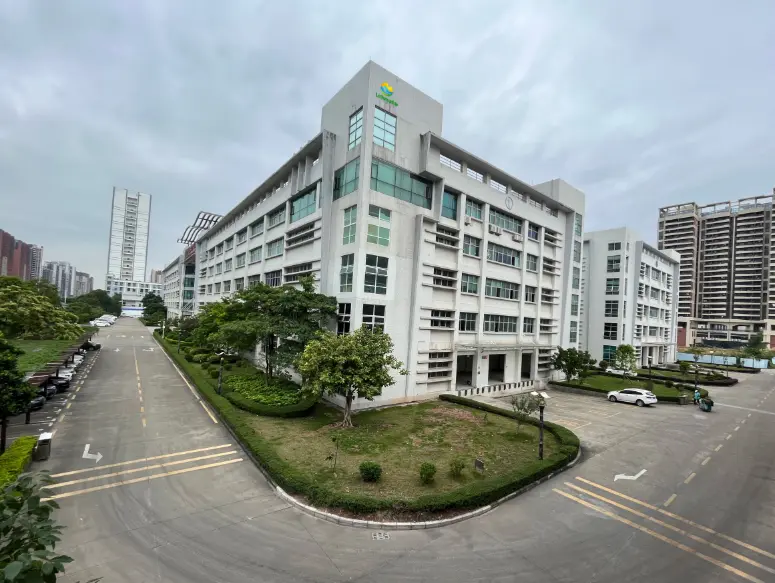
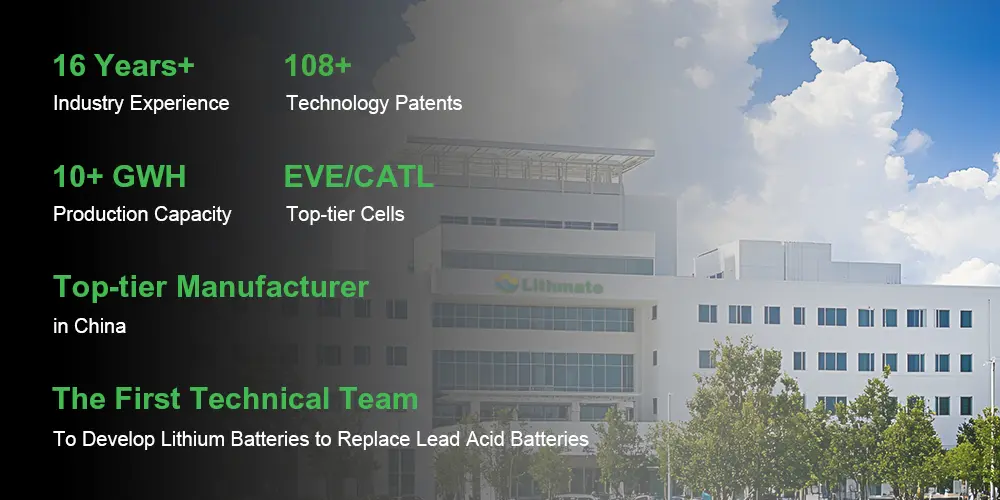
China is the global powerhouse for battery technology, representing over 75% of global cell manufacturing capacity. When sourcing an OEM sodium-ion battery supplier, collaborating directly with a Chinese factory like Lithmate New Energy Co., Ltd. offers significant strategic advantages:
As a professional lithium and sodium-ion battery manufacturer, our factory operates in full compliance with ISO 9001 standards. All products meet multiple international safety certifications, including CE, UL, UN38.3, RoHS, and IEC. At Lithmate, we are committed to continuously advancing and improving battery pack technology.
Certified to meet international safety and transportation standards including UN38.3, MSDS, UL, IEC, and RoHS.
Continuously upgrading and innovating technologies, with over 100 patents in BMS, battery modules, and connection systems.
Fully equipped to serve the global market with localized solutions across European, Asian, and American distribution centers.
Tailored battery solutions spanning customizable BMS functions, proprietary container dimensions, and custom colorways.
Our custom-designed battery packs excel across various industrial, marine, and automotive fields:
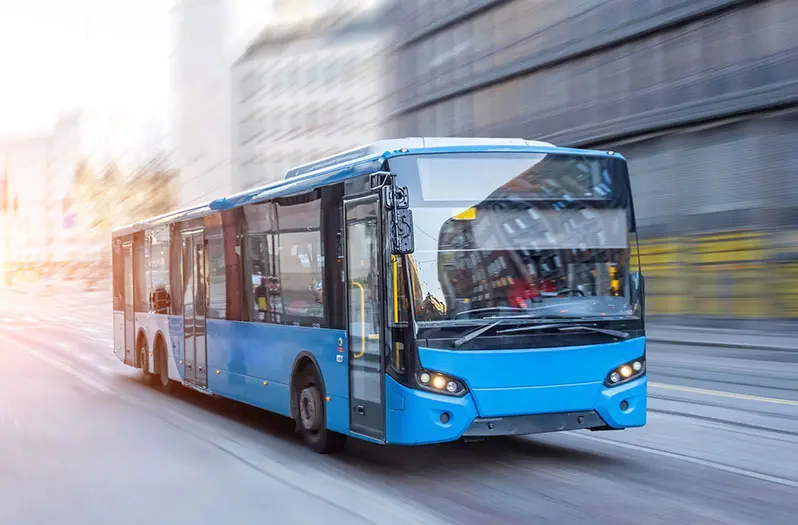
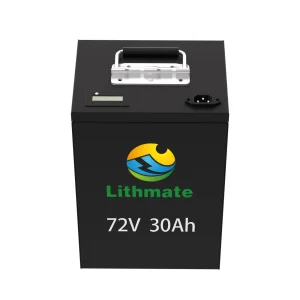
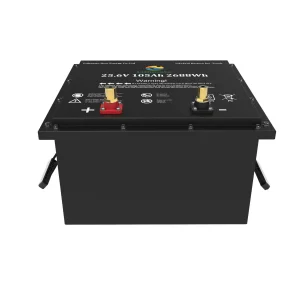
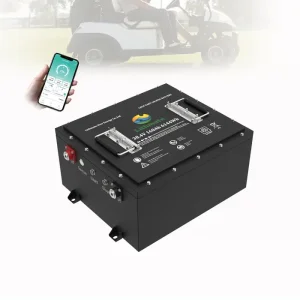
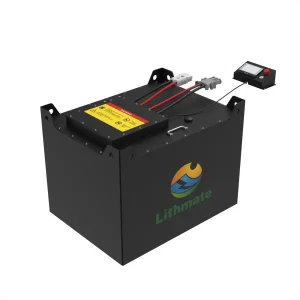
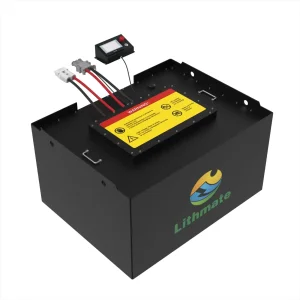
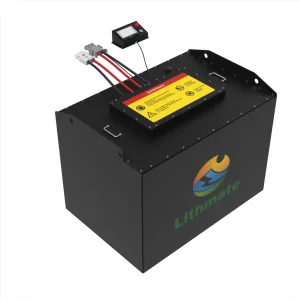
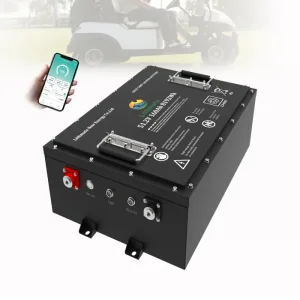
At Lithmate, we design custom low-voltage and high-capacity battery solutions for golf carts, low-speed passenger shuttle buses, AGVs (Automated Guided Vehicles), and utility trucks. Sodium-ion packs provide optimal stability, fast charging cycles, and zero maintenance requirements, enabling commercial fleets to run continuously with minimal downtime.
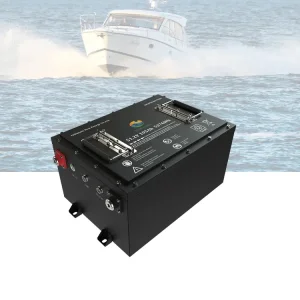
Lithmate marine batteries are engineered in 12V, 24V, 36V, 48V, and 96V setups to handle harsh offshore environmental conditions. Delivering reliable cranking and deep-cycle discharge capacities, they run fishing boats, trolling motors, and small electric yachts with elevated resistance to salt corrosion, high humidity, and heavy mechanical vibrations.

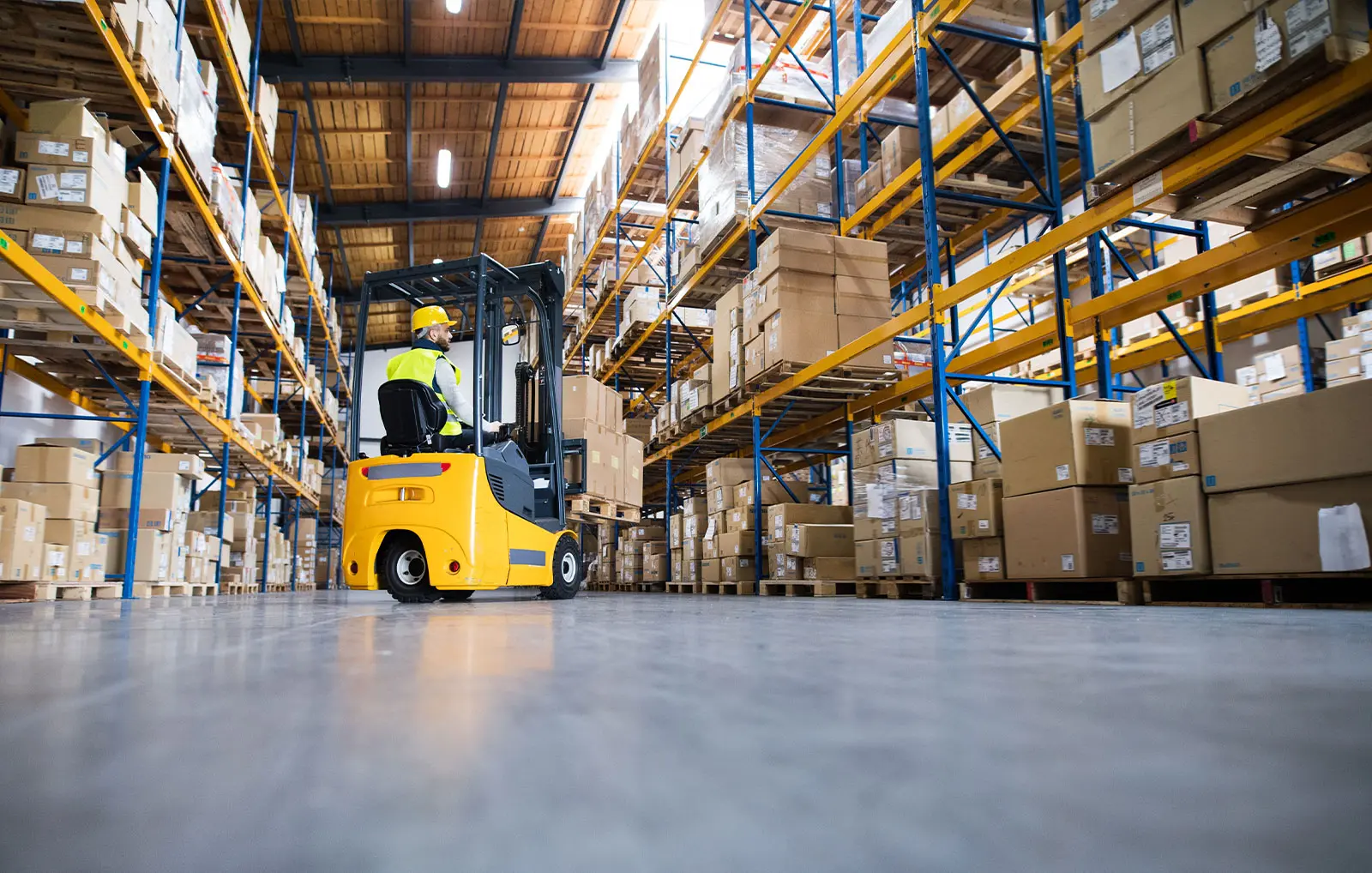
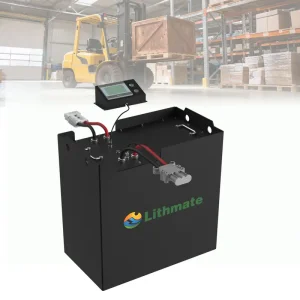
Our heavy-duty industrial packs power forklifts, floor sweepers, and scissor lifts. With opportunity charging, workers can recharge battery units during short break intervals, bypassing the long standby phases common to lead-acid batteries. The lack of standard maintenance costs means lower operation overheads for warehouses.
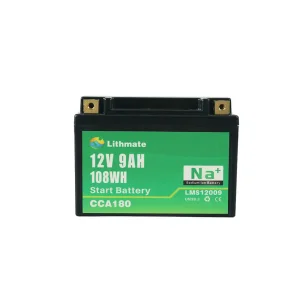
Lithmate’s low-temperature starting battery units are optimized for trucks, passenger cars, motorcycles, and jet skis. The high discharge capacity of sodium-ion at subzero temperatures ensures immediate engine starts in freezing environments where lead-acid and lithium batteries often drop beneath starting thresholds.

Next-generation research focuses on improving cathode chemistry compositions to reach 180-200 Wh/kg, closing the gap with lithium iron phosphate cells while maintaining cost advantages.
Engineers are designing hybrid packs containing both sodium-ion and lithium-ion cells in a single module. This lets smart BMS draw power depending on temperature conditions.
Global regulatory policies are encouraging alternative non-lithium battery chemistries, boosting mass production and lowering raw material costs per kilowatt-hour.
B2B procurement agents evaluating sodium-ion battery suppliers should look for compliance with the following requirements:
Our product engineering processes comply with international safety, environment, and logistics standards. Leveraging cutting-edge technologies, Lithmate holds over 100 patents in battery management systems and structural designs, earning us National High-Tech Enterprise status in China.





Yes, sodium-ion batteries can act as direct replacements. Because sodium-ion cells operate at a slightly lower nominal cell voltage (3.0V–3.1V compared to LiFePO4's 3.2V and NCM's 3.7V), the battery module configuration and BMS settings must be modified. Lithmate designs drop-in solutions that match standard electric vehicle and starting battery dimensions, ensuring compatibility with your current motor controllers and chargers.
Lithium-ion cells face severe electrolyte viscosity increases and low ion diffusion speeds at temperatures below freezing, causing potential dendrite formations during cold starts. In contrast, sodium-ion batteries experience much lower internal resistance variations, maintaining excellent discharge capacity down to -40°C. This ensures consistent cranking current for engines in extremely cold conditions.
Sodium-ion chemistry relies on sodium carbonate, which is abundant and cheaper than lithium carbonate. Copper can also be substituted with aluminum for the anode current collector foils, further reducing material costs. On a mass-production scale, sodium-ion cells can offer material cost savings of up to 30% compared to standard LFP batteries, providing a cost-effective alternative for B2B buyers.
Sodium-ion batteries are incredibly stable. They pass demanding safety tests, including nail penetration, overcharging, over-discharging, and short-circuit evaluations without catching fire or exploding. Their thermal runaway onset temperature is higher than that of lithium-ion chemistries. Since they do not contain toxic heavy metals like lead or cadmium, they represent a highly sustainable, eco-friendly energy solution.
Lithmate provides complete OEM/ODM options, including customized cell configurations, custom outer cases (IP-rated steel or ABS plastic), optimized high-discharge BMS designs, and communications support (CAN, Modbus, RS485). We accommodate various low-speed EV, industrial forklift, marine propulsion, and starting application requirements.
 Lithmate