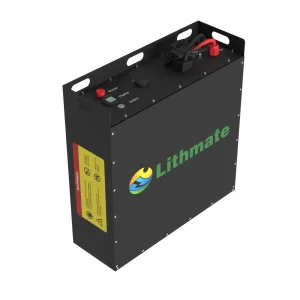
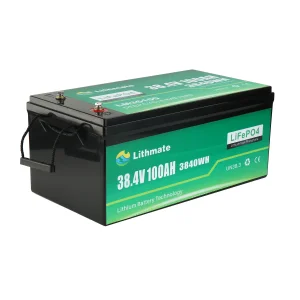
Explore our industrial grade lithium, sodium-ion and custom power electronics optimized for heavy work cycles
A global vanguard in specialized lithium-ion research, development, and state-of-the-art battery systems fabrication.
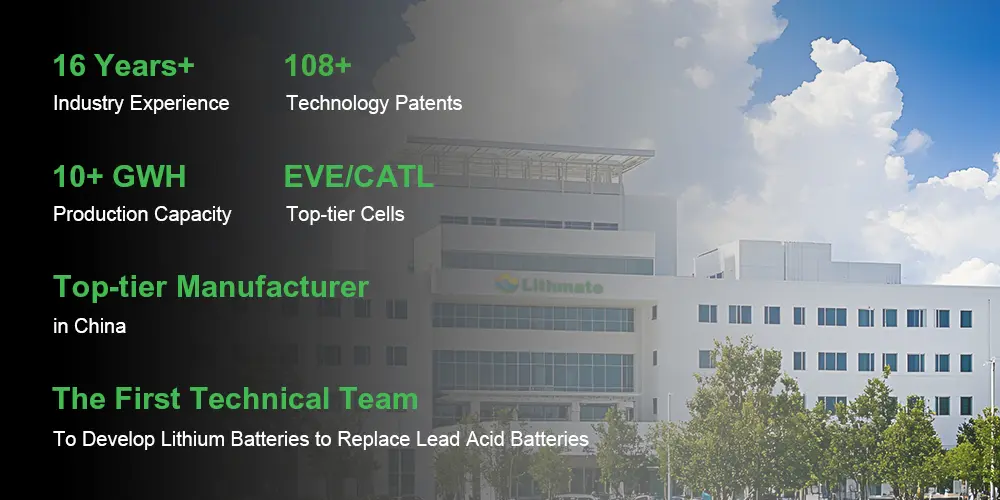
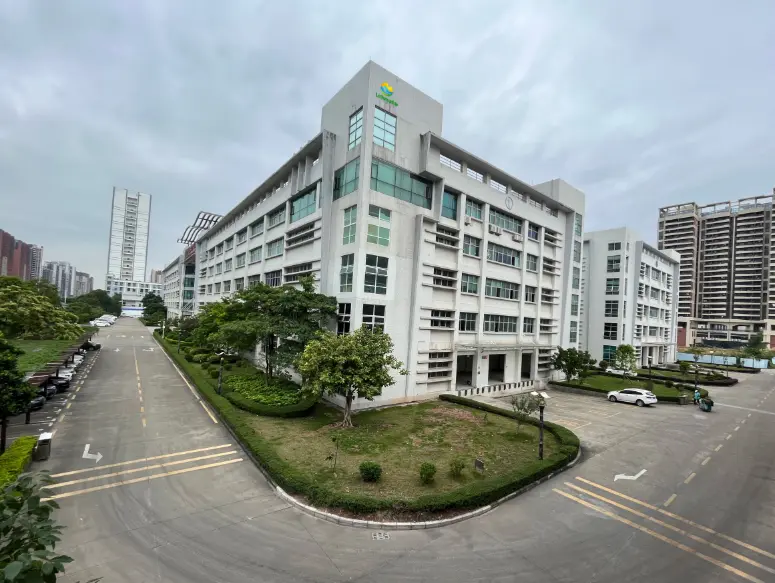
Lithmate, Your Trusted Power Partner, stands as an industry-leading manufacturer specializing in lithium battery systems and advanced industrial power chargers. Operating in strict conformity with ISO 9001 quality management benchmarks, our modern manufacturing site guarantees that all products undergo meticulous testing routines, satisfying certifications such as CE, UL, UN38.3, RoHS, and IEC. We commit to continuous technological progression, ensuring our logistics and material handling clients receive optimized solutions for heavy-duty material handling machinery.
Equipped with fully automated and semi-automated production lines, alongside advanced battery testing equipment and R&D laboratories, our factory supports the entire manufacturing process—from research and design to module assembly and final testing—with high efficiency and reliability.
Strategic analysis of technological shifts, smart grid integrations, and opportunity charging economics.
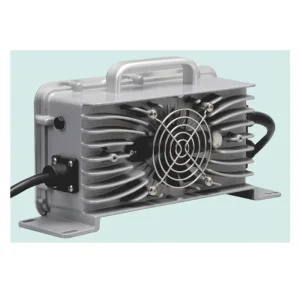
The industrial material handling sector is undergoing a rapid transition from legacy lead-acid batteries to high-performance Lithium Iron Phosphate (LiFePO4) and emerging Sodium-ion architectures. This evolution demands a concurrent technological leap in charger design. Standard silicon-controlled rectifier (SCR) and ferroresonant chargers are no longer sufficient; they lack the precision, efficiency, and communication layers required by modern chemistries. High-Frequency (HF) smart chargers, utilizing advanced MOSFET and IGBT switching architectures, have become the standard, delivering conversion efficiencies exceeding 93% and active Power Factor Correction (PFC) exceeding 0.98.
Modern forklift battery chargers are no longer simple power sources; they are intelligent edge devices. Operating with digital control loops, these chargers dynamically communicate with the battery's Integrated Battery Management System (BMS) via standardized CAN bus protocols (such as SAE J1939). This close-loop communication prevents overcharging, mitigates thermal runaway risks, and optimizes the charging profile (CC/CV or customized multi-stage patterns) to match the cell temperature and degradation history, ultimately extending battery cycle life by up to 30%.
In modern Logistics 4.0 environments, forklift chargers must integrate seamlessly with cloud platforms and Warehouse Management Systems (WMS). Real-time telemetry monitoring allows fleet operators to track parameters such as State of Charge (SoC), State of Health (SoH), active current profiles, and peak grid demand.
Smart chargers feature centralized control modules capable of peak-shaving and load-balancing across multi-bay configurations. By communicating with local microgrids, they adjust charging schedules dynamically based on utility pricing peaks. Additionally, chargers automatically balance energy draws when multiple forklifts hook up simultaneously. This prevents expensive demand surges and ensures optimal charging rates without overloading the building's electrical infrastructure.
"Information Gain Highlight: Smart chargers configured with opportunity charging cycles can sustain continuous multi-shift operations without battery swaps. Utilizing high-rate charge currents during 15-minute breaks, a LiFePO4 forklift battery can recover 25-30% of its capacity safely, boosting logistics throughput."
Global procurement departments look for reliable manufacturing partners when upgrading industrial forklift fleets. Key purchase considerations extend beyond unit costs: focus is on total cost of ownership (TCO), grid interaction efficiency, and regulatory compliance. Safety is paramount; buyers demand certifications such as UL 1564, CE, and RoHS to guarantee workplace safety and equipment protection.
Environmental resilience is another critical factor. Warehouses and heavy industrial facilities expose power electronics to dust, moisture, and high temperatures. Chargers designed with robust IP ratings (IP54 or IP65) and advanced thermal management prevent dust ingress and component wear, maintaining reliable operation in cold storage (-30°C) or metal foundries (+50°C).
Lithmate operates its production facilities leveraging China’s advanced Factory 4.0 infrastructure. We combine fully automated precision manufacturing with robust vertical integration. Partnering directly with tier-1 battery cell providers like CATL and EVE, we guarantee consistent quality and raw material security despite global market fluctuations.
Our lean supply chain enables quick turnaround times. We deliver custom charger systems and high-capacity battery packs within 3-4 weeks. This speed and flexibility help global buyers minimize downtime and scale up operations quickly.
Integrating advanced technology, strict quality control, and comprehensive post-sale support.

Certified to meet international safety and transportation standards. Lithmate batteries are fully certified with internationally recognized standards, including CE, UN38.3, MSDS, UL, IEC, and RoHS certifications.

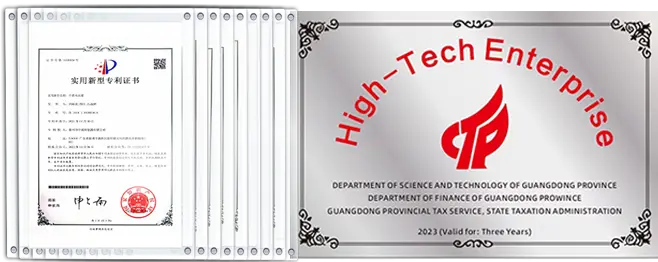
Continuously upgrading and innovating technologies. Armed with over 100 patents in BMS, battery pack designs, and active cooling layouts, we deliver performance edge to industrial operators.

Lithmate has the ability to serve the global market. Providing localized support, field engineering, and rapid replacement infrastructure across North America, Europe, and APAC regions.

Custom your own brand battery pack and complete solutions available. Tailoring voltage configurations, form factors, communication parameters, and case dimensions to match your application.
Leveraging cutting-edge lithium battery technology, Lithmate has successfully obtained over 100 patents across key areas such as Battery Management Systems (BMS), Battery Modules, and Battery Connection Structures. This remarkable achievement has earned us the prestigious title of National High-tech Enterprise, highlighting our firm commitment to innovation and excellence.
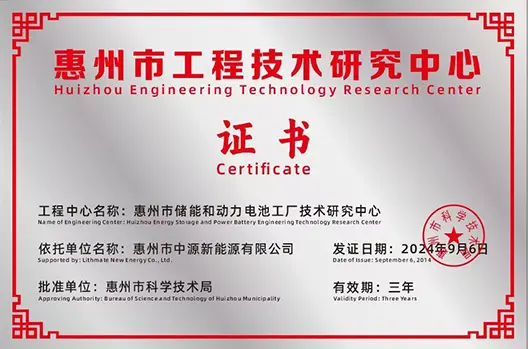
Additionally, we are proud to host the Huizhou Energy Storage and Power Battery Engineering Technology Research Center, a recognition by the national government of our strong technological capabilities. At the same time, Lithmate collaborates with several renowned universities on joint battery R&D projects, continuously driving technological innovation and advancement.
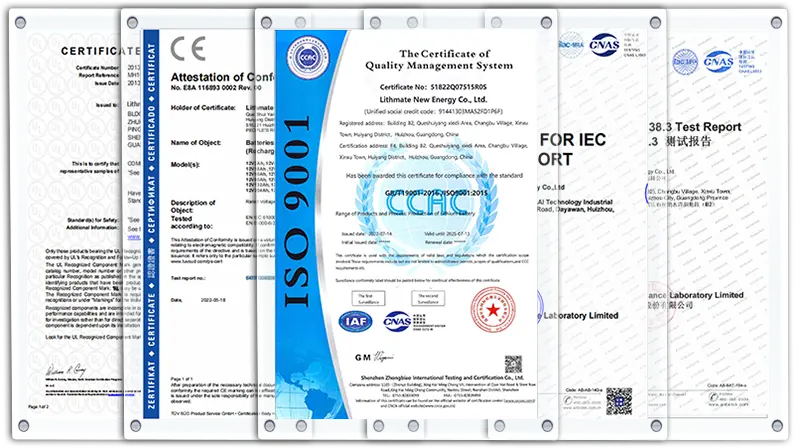

Long-term operational security for fleets.

Real-time technical assistance globally.

Rapid engineering and delivery cycles.
Engineered power configurations custom-tailored for demanding operating environments
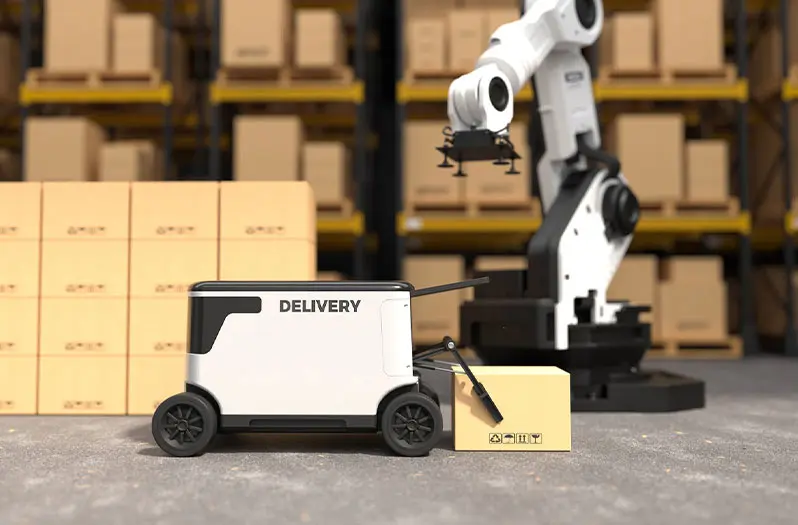
 AGV/AMR
High-frequency, automated guided vehicles require precise opportunites-based battery charging systems. Our automated interface configurations provide rapid-charge contact compatibility, supporting high duty cycles and 24/7 autonomous logistics warehouse routing.

 E-BUS & Commercial Transit
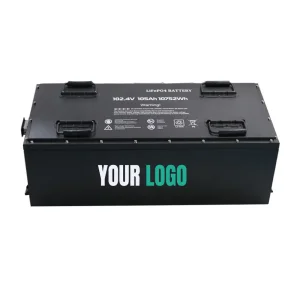
Powering heavy public transit and large corporate passenger fleets. These high-voltage lithium battery solutions deliver consistent mechanical reliability, thermal control algorithms, and elevated discharge ratings for severe urban duty cycles.

 GOLF CART/LSV
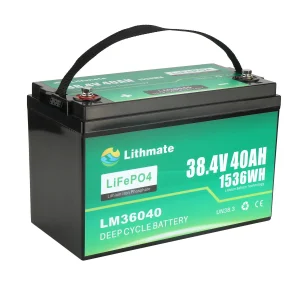
Designed for recreational and light commercial utility vehicles. Offers quick opportunity charge rates, deep cycling profiles, zero maintenance requirements, and weight-reducing lithium chemistry that increases vehicle speed and protects lawns.

 UTILITY VEHICLES
Powering municipal, airport support, and heavy industrial support fleets. Custom high-capacity cases, dust protection, and shock-resistant structures ensure stable power output under extreme shock and continuous vibrations.

 Fishing & Electric Boats
Anti-corrosive marine battery systems engineered with IP67/IP68 enclosures. Available in 12V, 24V, 36V, 48V, and 96V setups to run propulsion motors, trolling setups, and onboard navigation safely during long offshore operations.
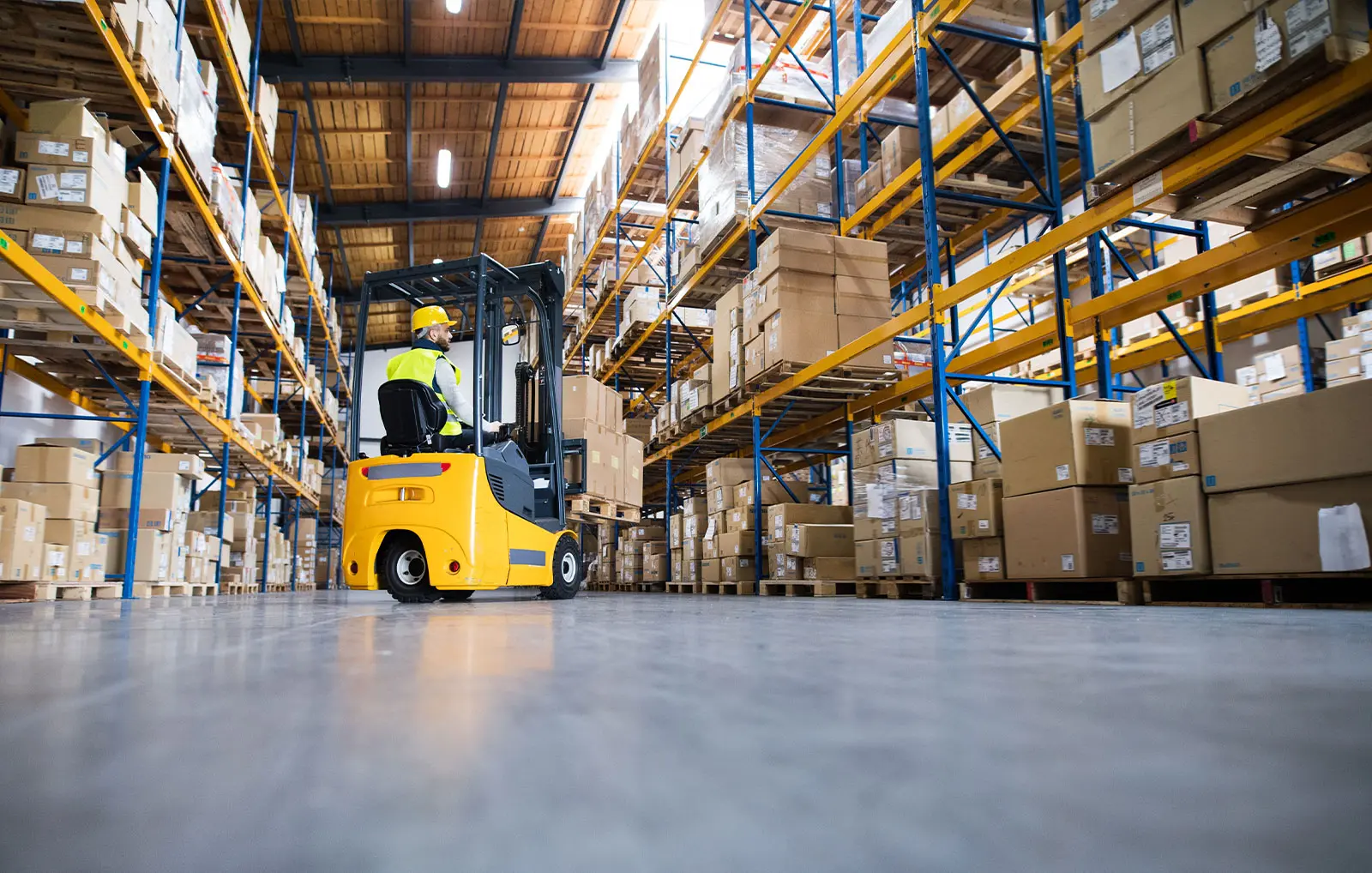
 Forklifts & Cleaning Machines
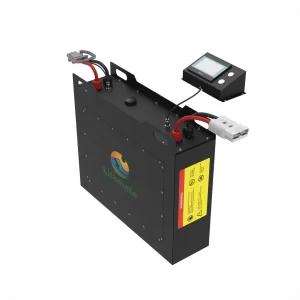
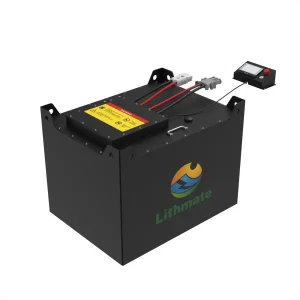
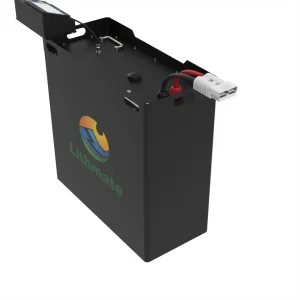
The core of class I, II, and III forklifts, scissor lifts, and commercial scrubbers. Engineered to replace lead-acid units, offering quick opportunity charging, zero gas generation, and constant power output even at low states of charge.
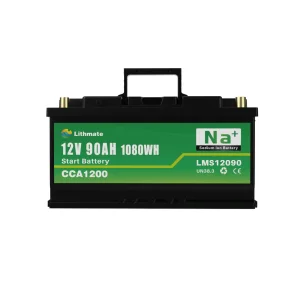
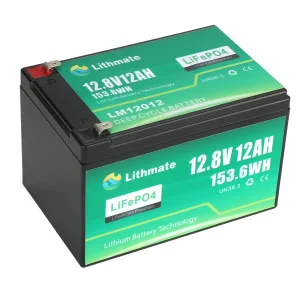
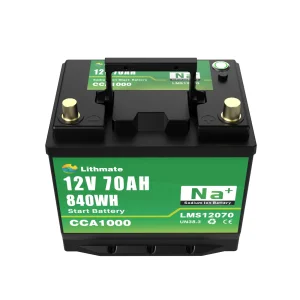
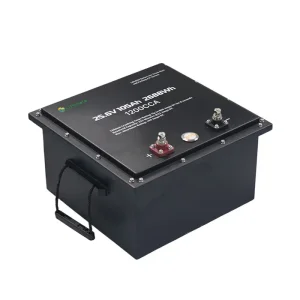
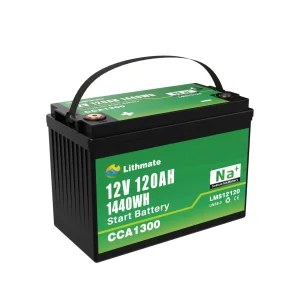
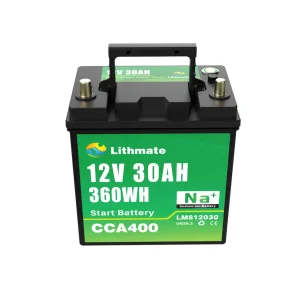
We specialize in high-performance starting battery technologies, providing both advanced sodium-ion and ultra-reliable lithium iron phosphate (LiFePO4) systems. Optimized for trucks, cars, marine vessels, motorcycles, and jet skis, these systems deliver reliable cranking power under demanding conditions.





Our advanced sodium-ion chemistries operate reliably in extreme cold down to -40°C. This ensures dependable cold-cranking performance for municipal utility trucks, offshore marine propulsion, and heavy arctic storage equipment where traditional lead-acid or standard lithium systems experience voltage drops.
Detailed architectural comparisons for material handling operations and engineering choices
| Parameter | Lithium Iron Phosphate (LiFePO4) | Sodium-Ion (Na-Ion) | Legacy Lead-Acid |
|---|---|---|---|
| Nominal Cell Voltage | 3.2V | 3.0V - 3.1V | 2.0V |
| Cycle Life (80% DoD) | 3,500 - 6,000 Cycles | 2,000 - 3,000 Cycles | 500 - 1,200 Cycles |
| Low-Temp Limit | -20°C (requires active heater) | -40°C (fully operational) | -15°C (severe capacity drop) |
| Optimal Charging Rate | 0.5C - 1.0C (1 to 2 Hour charge) | 1.0C - 2.0C (30 to 60 Min charge) | 0.1C - 0.15C (8 Hour charge) |
| Gassing / Maintenance | None (Sealed system) | None (Sealed system) | High (Requires water topping) |
| BMS Communication | Active CAN (SAE J1939) | Active CAN (SAE J1939) | Typically None / Analogue |
Essential technical clarifications for fleet engineers, managers, and safety compliance officers
Unlike traditional lead-acid batteries, which suffer from memory effects and heat degradation if charged mid-shift, Lithium Iron Phosphate (LiFePO4) battery packs are designed for opportunity charging. Charging during short operator breaks (15–30 minutes) does not degrade the cell structure. In fact, keeping the battery's state of charge (SoC) between 20% and 80% reduces cell stress and can extend overall cycle life.
High-Frequency solid-state chargers convert utility AC power to high-frequency DC using advanced switching circuits (IGBTs/MOSFETs). This is far more efficient than traditional SCR or ferroresonant designs, yielding up to 93% conversion efficiency and power factor correction of 0.98. This reduces utility costs, minimizes heat generation, and provides a cleaner voltage output that protects delicate battery management system (BMS) circuits.
Controller Area Network (CAN) bus protocols, such as SAE J1939, allow the battery's integrated BMS to communicate directly with the charger. The battery transmits real-time cell temperatures, voltage limits, and charging commands. This feedback loop ensures the charger dynamically adjusts its current output. If a cell approaches a voltage limit or temperature anomaly, the charger immediately throttles down, preventing overcharging and thermal runaway.
Yes, modern intelligent industrial chargers feature software-defined charging profiles. By using pre-programmed settings or recognizing the battery via the CAN bus, the charger can adapt its algorithm for LiFePO4, Sodium-ion, or Lead-acid chemistries. However, it is critical to ensure the charger is properly configured for the correct battery type before connection to prevent over-voltage damage.
Industrial forklift chargers must meet strict international safety standards, including UL 1564 for industrial battery chargers, CE compliance, KC, and FCC regulations for electromagnetic interference. These certifications guarantee that the equipment contains robust overload protection, short-circuit mitigation, ground fault detection, and thermal shutoffs to ensure a safe warehouse environment.
Collaborating with top manufacturers and global enterprises to deliver reliable power solutions





Engineered starting systems, high CCA batteries, and industrial forklift power cells
 Lithmate