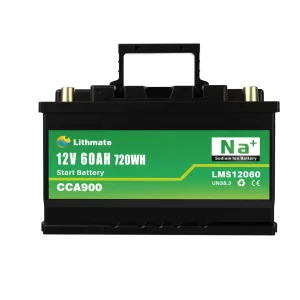
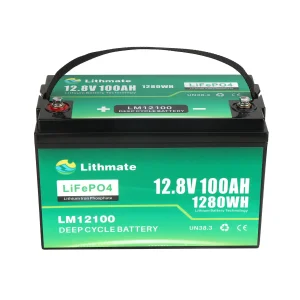
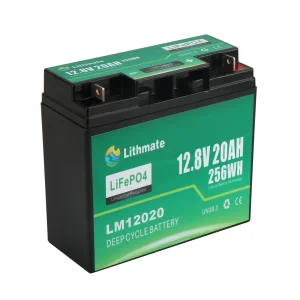
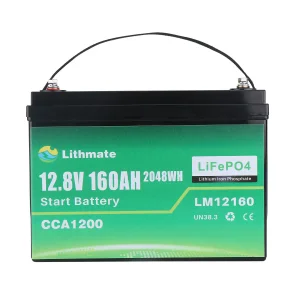
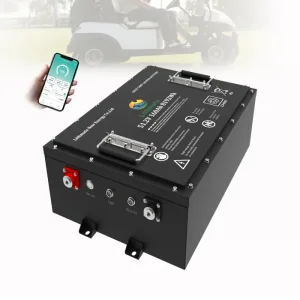
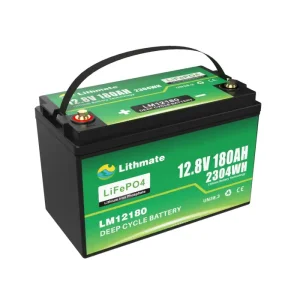
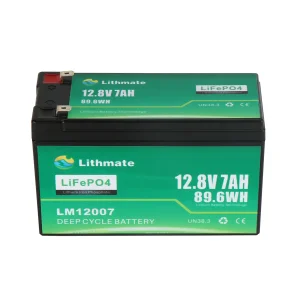
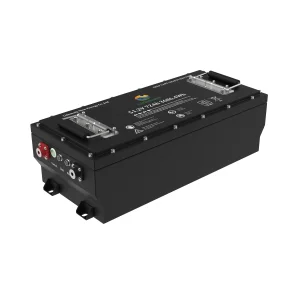
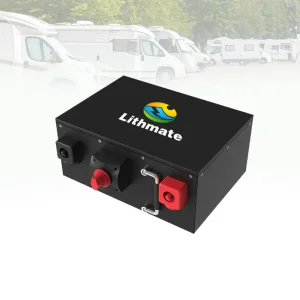
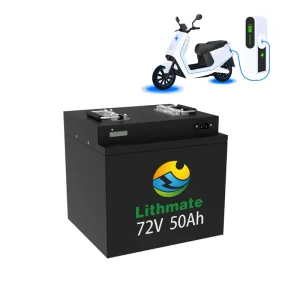
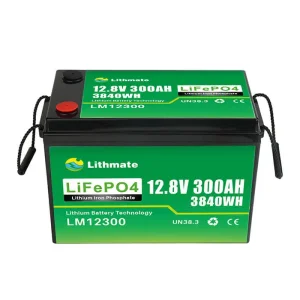
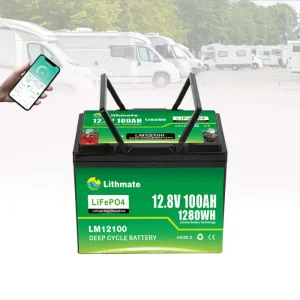
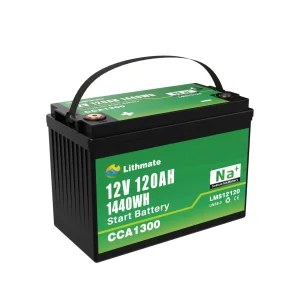
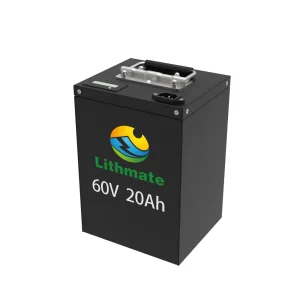
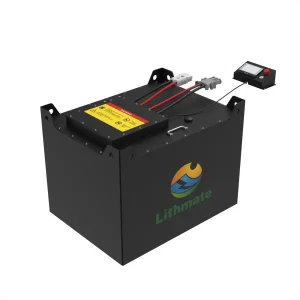
Advanced LiFePO4 and Sodium-Ion platforms engineered for RV house banks, marine systems, and starting backup systems.
Understanding B2B market indicators, trade dynamics, and localization demands in recreational power storage.
The global energy storage ecosystem is witnessing a massive transition towards highly robust, maintenance-free, and smart lithium iron phosphate (LiFePO4) chemistry platforms. Central to this transition is the ubiquitous 12V 100Ah RV Lithium Battery. In the B2B supply chain, this specific voltage and capacity configuration serves as the foundational unit for commercial recreational vehicles, off-grid field clinics, custom mobile command trailers, and marine applications. As global markets transition away from lead-acid legacy systems, original equipment manufacturers (OEMs) demand more than just standard specifications; they require highly specialized custom footprints, smart battery management integration, and stable thermal boundaries.
Geographically, North America and Europe dominate the consumption of leisure vehicle batteries. The drive toward electrification is pushed by stringent emission laws, green camping initiatives in municipal parks, and the popularity of off-grid dry camping (boondocking). In these regions, a high-capacity lithium system represents a key product selling point for luxury Class-A and Class-C motorhomes. Meanwhile, manufacturing operations concentrated in the Asia-Pacific region act as the industrial backbone, supplying critical raw materials, precision cell chemistry, and automated system assembly lines. As an experienced B2B partner, Lithmate mitigates the typical cross-border friction points through localized trade compliance, rapid lead times, and comprehensive warranty networks.
Information Gain Metric: Standard Lead-Acid cells deliver a mere 30-40% usable life cycle under deep discharge scenarios before experiencing active material degradation. In comparison, Grade-A LiFePO4 cells configured in 12V 100Ah blocks provide a consistent 100% Depth of Discharge (DoD) for over 4,000 cycles, yielding up to 10 times the economic return on investment over the product’s life cycle.
Pioneering lithium energy storage through automated precision engineering and tier-one partner networks.
The core performance of any 12V 100Ah battery system is dictated by the chemical architecture of its internal cells. While standard consumer products utilize cylindrical lithium-ion chemistry, industrial B2B projects prioritize prismatic Lithium Iron Phosphate (LiFePO4) or Sodium-Ion configurations. LiFePO4 cells offer distinct structural advantages, notably high thermal runaway thresholds (~60px°C compared to 200°C for NMC options) and structural longevity. This structural stability is essential in the recreational vehicle sector, where vibration resistance and high ambient temperatures inside chassis battery boxes are commonplace.
Furthermore, emerging technologies like Sodium-Ion are finding a foothold in starting applications and cold-climate environments. As indicated by our research and manufacturing expansion, Sodium-Ion chemistry showcases extreme resilience in sub-zero operational ranges down to -40°C, a threshold where conventional lithium-based batteries experience severe lithium plating risks during charging phases. However, for deep-cycle RV house power banks, LiFePO4 remains the premier choice due to its superior energy-to-weight ratio and stable voltage curve during long-duration discharges.
In B2B applications, a battery is only as reliable as the Battery Management System (BMS) managing its cells. At Lithmate, our custom 12V 100Ah RV Lithium Batteries are integrated with proprietary smart BMS designs that handle cell-level balancing, over-charge protection, over-discharge safety, high/low-temperature charge cuts, and real-time state-of-health diagnostics. B2B OEM clients can choose specialized communications protocols, including CANbus, RS485, and integrated Bluetooth interfaces. These interfaces enable the battery to communicate with on-board multi-function displays, solar controllers, and motorhome central control hubs, ensuring seamless integration in complex modern vehicle networks.
Designed with triple safety thresholds: chemical safety of LiFePO4, physical cell venting systems, and intelligent multi-layered BMS cutoff circuits.
From Group 24, Group 27, to Group 31 standardized RV form factors, our factory designs shell casings with IP65-rated moisture and dust ingress protection.
Integrated internal warming elements heat cells above freezing before allowing charge currents, preventing low-temperature degradation.
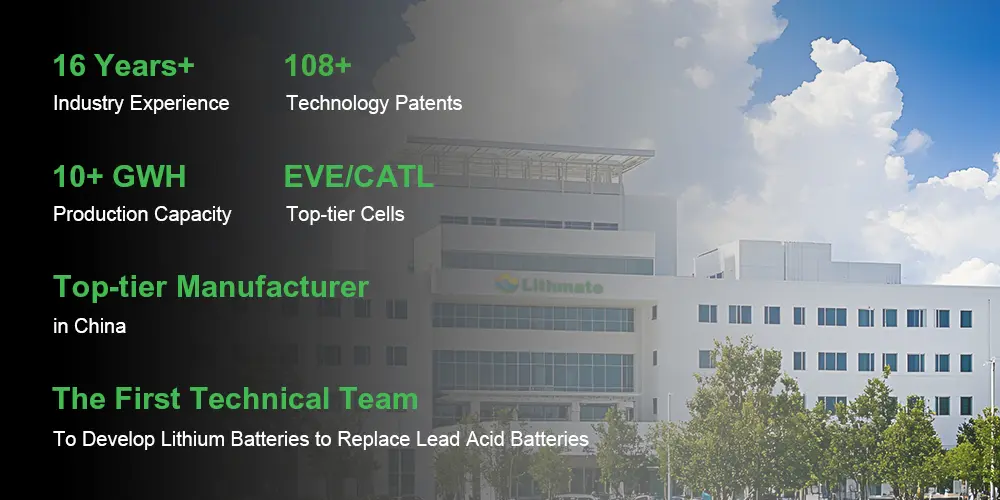
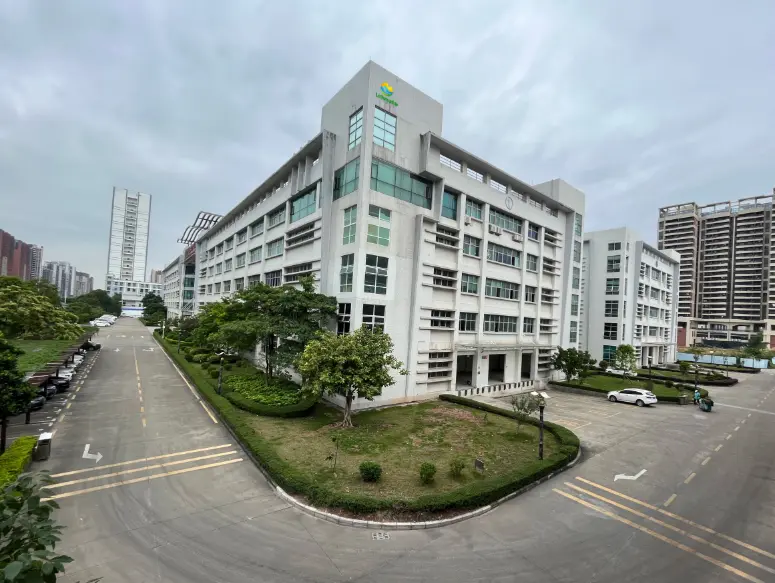
As a professional lithium battery manufacturer, our factory operates in full compliance with ISO 9001 standards, and all products meet multiple international safety certifications, including CE, UL, UN38.3, RoHS, and IEC. At Lithmate, we are committed to continuously advancing and improving lithium-ion battery pack technology.
Our factory is equipped with fully automated and semi-automated production lines, along with advanced battery testing equipment and R&D laboratories. This allows us to support the entire manufacturing process—from research and design to module assembly and final testing—with high efficiency and reliability.
Certified to meet international safety and transportation standards.
Continuously upgrading and innovating technologies to keep up with next-gen chemistry demands.
Lithmate has the capability, experience, and logistics to serve the global market efficiently.
Custom your own brand battery pack and complete solutions available according to precise specifications.
Deploying specialized power architectures to meet extreme demands in field service, maritime, and electric transit.
Commercial fleets, specialty recreational vehicles, and industrial utility operations demand battery solutions that adapt to complex operational profiles. The typical RV application requires continuous low-amperage discharge over extended periods, combined with sudden high-amperage draws from microwave ovens, air conditioning inverters, and hydraulic leveling systems. To design an effective power system, engineers must calculate maximum surge loads and continuous draws. For instance, a 12V 100Ah battery system operating at a 1C continuous discharge rate can output 1.28kW of power, while a customized 2C continuous discharge rate system can output up to 2.56kW, meeting the needs of compact, power-dense setups without overloading safety circuits.
Similarly, marine and industrial floor cleaning machines present harsh, high-vibration, and humid operating environments. Saltwater intrusion and high humidity levels necessitate structural design adjustments. Lithmate's marine deep-cycle and industrial lineups utilize fully sealed ABS or sheet-metal casings rated at IP65 or higher. Structural integrity is reinforced through localized cell potting and heavy-duty busbars, mitigating the mechanical stresses that lead to cell connection failures. In starting platforms, particularly for large engines, our dual-purpose LiFePO4 and Sodium-Ion starting batteries offer high Cold Cranking Amps (CCA) while remaining lightweight and compact, freeing up space and saving weight on heavy vehicles.
Enabling extended off-grid stays, smart solar array integration, and reliable house bank performance for luxury coaches and off-road camper trailers.
Tailored 12V, 24V, 36V, and 48V setups for electric propulsion, luxury boat auxiliary power, and trolling motors in marine environments.
Reliable power solutions for automated guided vehicles (AGVs), material handling forklifts, scissor lifts, and commercial floor scrubbers.
Fully compliant with global transport and quality frameworks to minimize commercial risk.
Safety and compliance are essential when importing and distributing lithium systems internationally. Our manufacturing facility maintains full compliance with ISO 9001 standards, governing every step from materials sourcing to electrical testing. All Lithmate batteries undergo rigorous testing to secure international safety certifications, including CE, UL, UN38.3, RoHS, and IEC, allowing our products to enter strict regulatory markets without delay.
Furthermore, our joint research initiatives with technical universities allow us to introduce new developments to the market. With over 100 patents filed and national recognition as a High-Tech Enterprise, our engineers continually improve cell placement, internal insulation, and busbar structure. These upgrades enhance cell lifecycle performance, prevent internal shorts, and extend overall service life.





The energy storage industry is moving toward solid-state designs and higher energy densities. Over the next five years, lithium battery factories will need to transition production lines to support semi-solid-state chemistry. This technology replaces volatile liquid electrolytes with robust, polymer-based interfaces. The benefits include a significant reduction in fire risks under mechanical puncture and a higher gravimetric energy density, exceeding 280 Wh/kg. This shift will allow future 12V 100Ah battery units to become even smaller, freeing up valuable storage space in lightweight caravans and motorhomes.
Additionally, sustainability and life-cycle accountability are increasingly important for procurement managers. Our development team is working on recycling initiatives that reuse copper, aluminum, and active lithium compounds. Designing battery casings that are easy to disassemble allows for efficient, eco-friendly component recovery, aligning with global green energy standards and helping partners meet corporate environmental targets.
Addressing the technical, logistics, and compliance questions common in commercial B2B purchasing.
Industrial forklift power packs, long-range golf cart setups, and high-voltage deep-cycle battery options.
 Lithmate