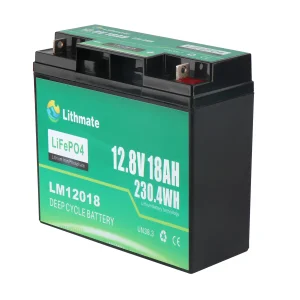
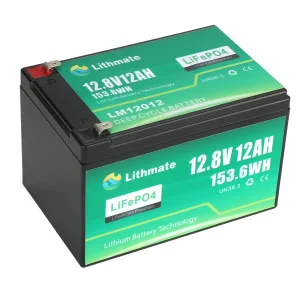
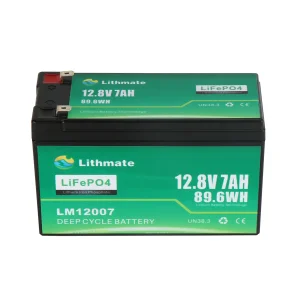
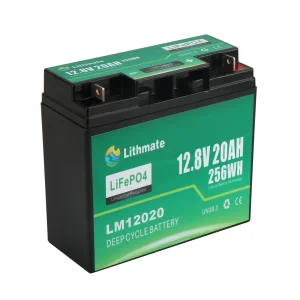
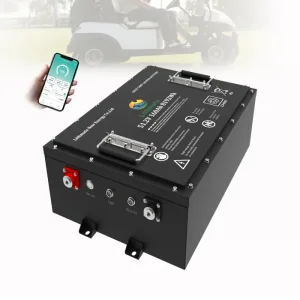
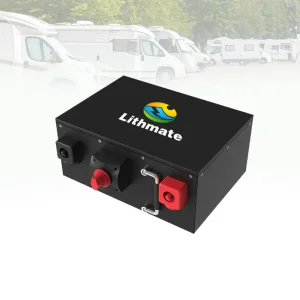
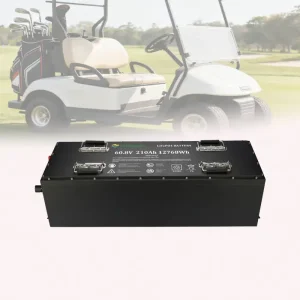
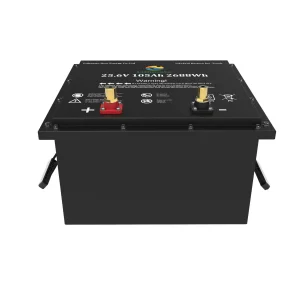
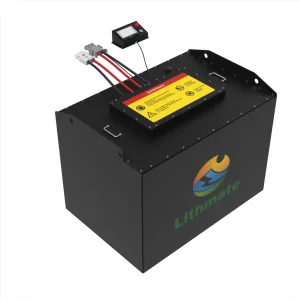
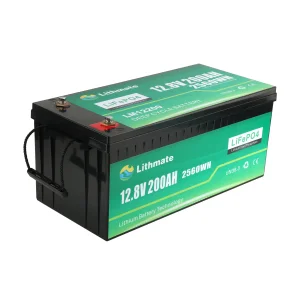
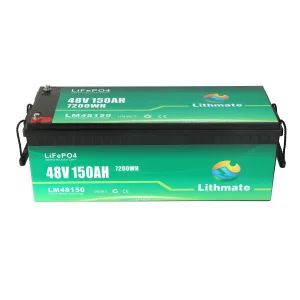
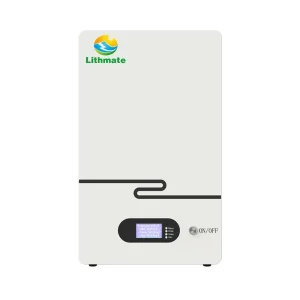
As Singapore pivots towards its Green Plan 2030, the demand for high-reliability energy storage systems (ESS) has shifted from traditional Lead-Acid to 12V LiFePO4 (Lithium Iron Phosphate) technology. This transition is not merely about energy density; it is about safety, thermal stability in tropical climates, and the total cost of ownership (TCO).
Lithmate New Energy stands at the forefront of this revolution, bridging the gap between China’s advanced lithium manufacturing ecosystem and Singapore’s rigorous industrial standards. Our mission is to provide 12V LiFePO4 solutions that survive the high humidity and ambient temperatures of Southeast Asia, ensuring zero downtime for critical maritime, logistics, and telecommunications infrastructure.
Compared to VRLA batteries used in Singapore data centers.
Optimized BMS for 30°C+ ambient tropical environments.
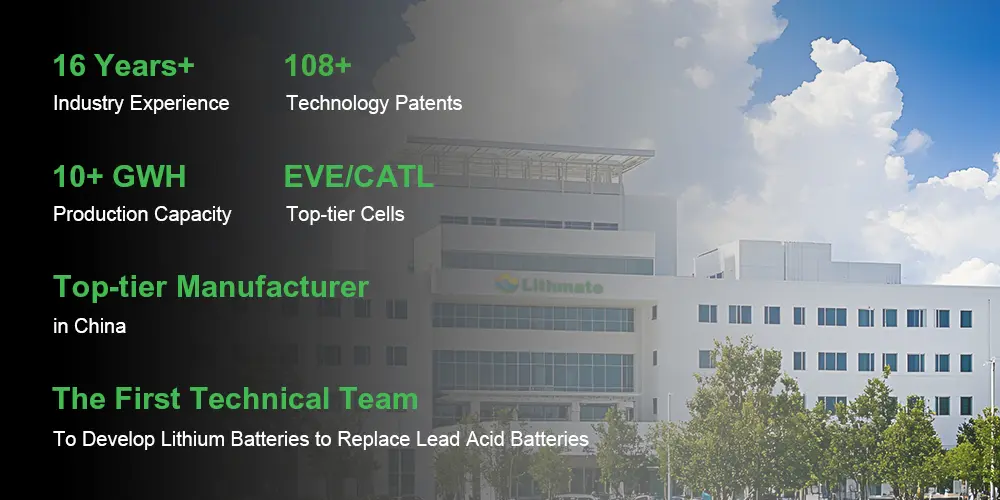
Lithmate is not just a supplier; we are a R&D-driven powerhouse. With over 16 years of industry experience, we have mastered the integration of EVE and CATL cells into intelligent battery packs that meet the IEC, UL, and UN38.3 certifications required for the Singapore market.
Singapore’s maritime sector is rapidly adopting electric propulsion. Our 12V and 48V LiFePO4 batteries are designed for electric boats and harbor crafts, providing high discharge rates and salt-spray resistance required for Jurong Island and Tuas operations.
In the smart warehouses of Changi and western industrial estates, Lithmate batteries power AGVs with fast-charging capabilities, reducing downtime from 8 hours (lead-acid) to under 1.5 hours.
As solar panels proliferate on HDB rooftops, our 12V LiFePO4 modules act as the perfect buffer for off-grid lighting and smart sensor networks across the island.
Located in the heart of China’s battery hub, our factory leverages a world-class supply chain to deliver high-performance batteries within 3-4 weeks, compared to the industry standard of 12 weeks.
Our products undergo 100% EOL (End of Line) testing. For our Singaporean partners, we ensure compliance with SS 532 standards and provide comprehensive MSDS for seamless shipping to PSA terminals.
Customizing BMS parameters for specific Singaporean industrial needs—whether it's Bluetooth monitoring or GPS integration—is our specialty. We provide the "brain" for your power needs.
The future of energy in Singapore lies in Intelligence and Circularity. Lithmate is currently investing in:
Integrating AI-driven predictive analytics to forecast cell degradation before it impacts your Singapore operations.
Researching safer, higher-density solid-state electrolyte integration for the next generation of 12V batteries.
Developing protocols for Singaporean companies to recycle and repurpose lithium cells, supporting the circular economy.
Singapore’s high average temperature accelerates the "sulfation" process in lead-acid batteries, often killing them in 1-2 years. LiFePO4 batteries handle heat much better and offer 3,000-5,000 cycles, lasting up to 10 years, which significantly reduces maintenance costs in Singapore's labor-expensive market.
We provide full UN38.3 certification and PI965/PI967 packaging compliance. Our logistics partners are experienced in clearing batteries through Singapore Customs and the Maritime and Port Authority (MPA) regulations.
Yes. Our factory specializes in OEM/ODM services. We can design custom casings (ABS or Aluminum) to fit existing battery compartments in golf carts, forklifts, or marine vessels used in Singapore.
We offer a 7-year warranty on our premium LiFePO4 series. We provide 24-hour online technical support and can facilitate localized component replacement through our regional logistics partners.
Lithmate New Energy Co.,ltd. operates in full compliance with ISO 9001 standards. Our factory is equipped with fully automated and semi-automated production lines, advanced battery testing equipment, and R&D laboratories.
Our products are fully certified with internationally recognized standards, including CE, UN38.3, MSDS, UL, IEC, and RoHS. We host the Huizhou Energy Storage and Power Battery Engineering Technology Research Center.
 Lithmate