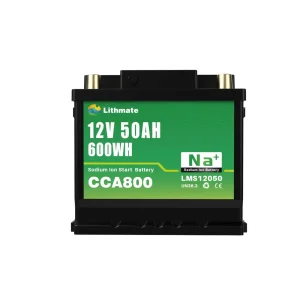
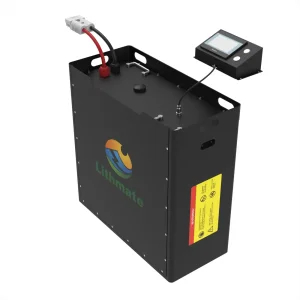
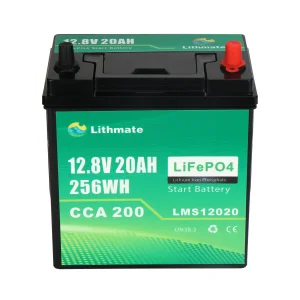
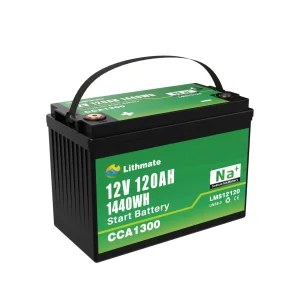
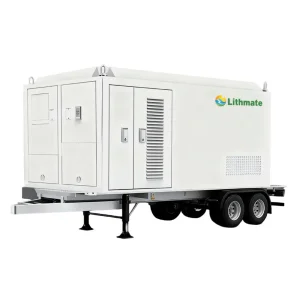
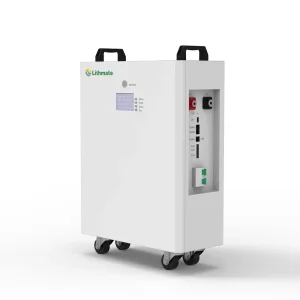
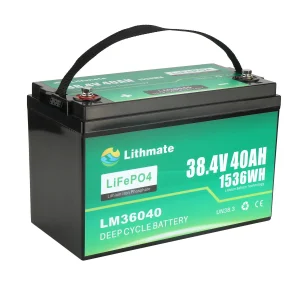
In the high-stakes world of industrial logistics and warehousing, the transition from traditional lead-acid batteries to advanced electrification is no longer a luxury—it is a survival mandate. As a premier Sodium-Ion forklift battery manufacturer, Lithmate New Energy is at the forefront of this chemical revolution. Sodium-ion technology represents a paradigm shift, offering a sustainable alternative that circumvents the geopolitical and environmental complexities of lithium mining.
Unlike Lithium batteries which lose significant capacity below 0°C, Sodium-ion batteries maintain over 90% capacity at -20°C and can operate down to -40°C. This makes them the ultimate choice for cold chain logistics and outdoor industrial applications in northern climates.
Sodium-ion cells have lower internal resistance and better thermal stability. They can be discharged to 0V for safe transport, eliminating the fire risks associated with shipping lithium-ion batteries at partial charge.
Sodium-ion batteries support 3C-5C charging rates, allowing a forklift to reach 80% charge in just 15-20 minutes, perfectly fitting the "opportunity charging" model required for multi-shift operations.
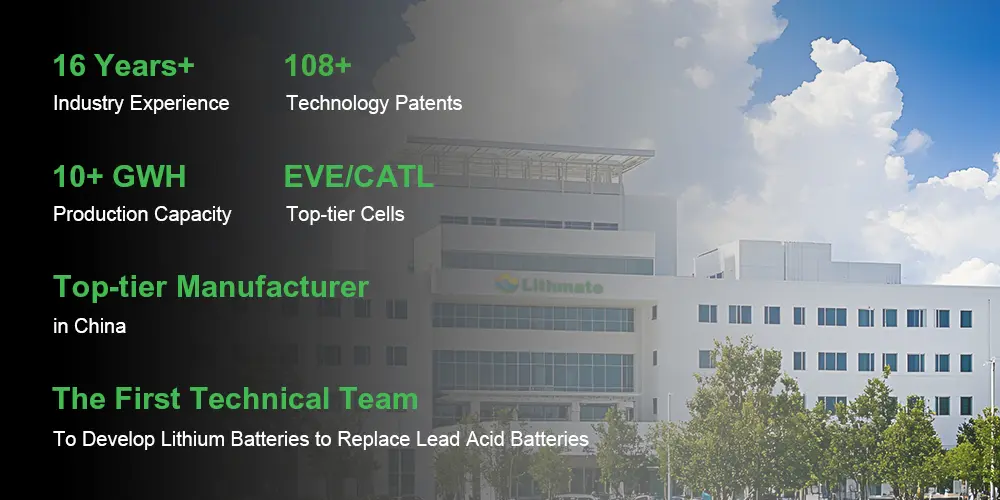
Lithmate is a professional lithium and sodium-ion battery manufacturer operating in full compliance with ISO 9001 standards. Our mission is to provide global enterprises with "Power That Never Quits." With a vertically integrated supply chain, we control everything from BMS development to cell selection (partnering with giants like EVE and CATL) and final module assembly.

Our Huizhou-based manufacturing hub utilizes Factory 4.0 automation. By integrating AI-driven quality control and automated laser welding lines, we ensure that every Sodium-Ion forklift battery meets rigorous international standards (CE, UL, UN38.3, RoHS, IEC). For global procurement officers, this means shorter lead times (3-4 weeks) and unmatched price-to-performance ratios.

We understand that a forklift battery in a German automotive plant has different requirements than one in a Brazilian port. Our OEM/ODM services extend beyond just dimensions; we customize the Battery Management System (BMS) for local grid requirements, communication protocols (CANbus/RS485), and specialized industrial telemetry.
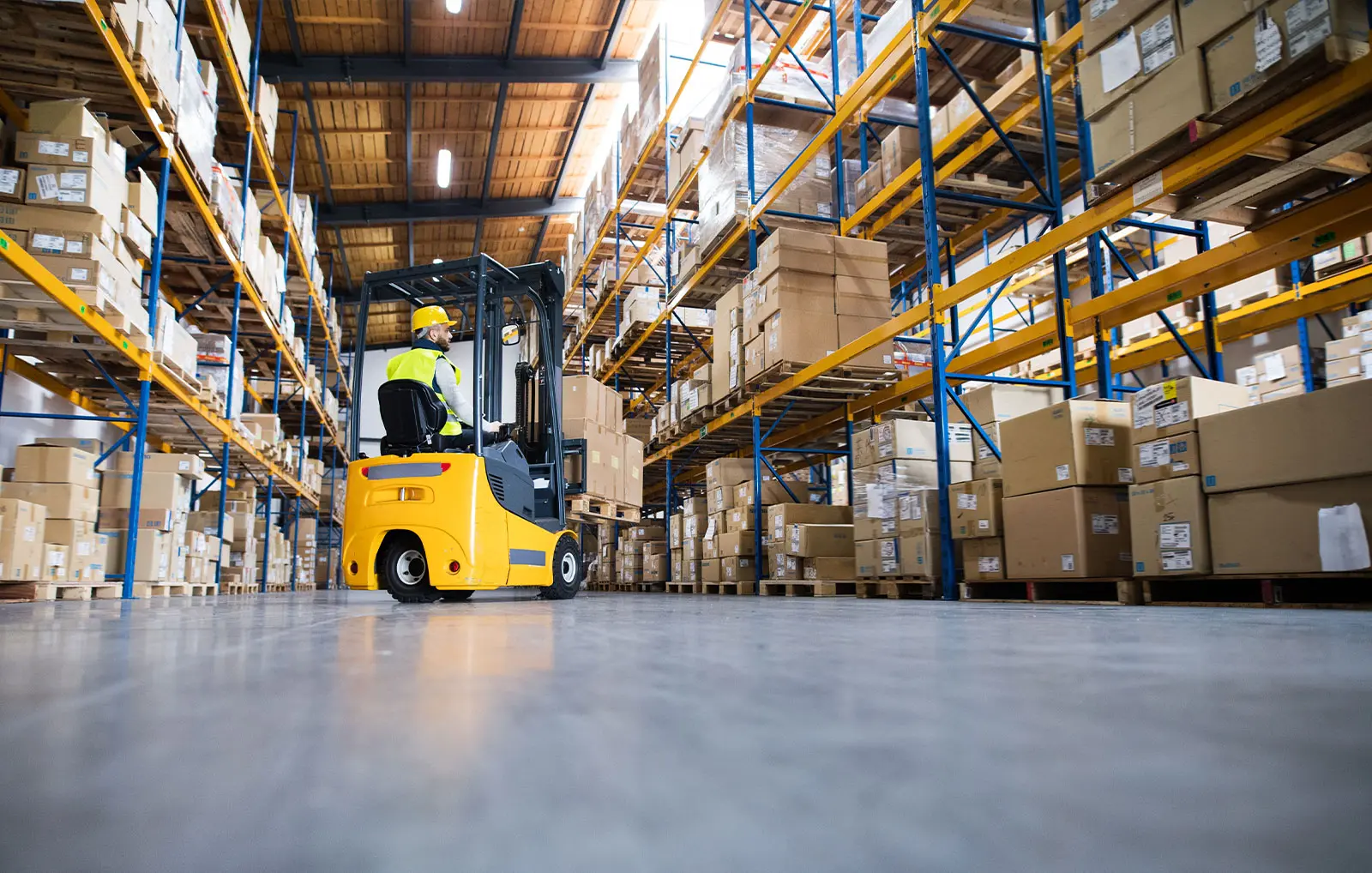
Sodium-ion batteries are revolutionizing the cold chain. While lead-acid batteries freeze and lithium batteries require heaters, Sodium-ion batteries operate natively at -30°C, maintaining the throughput of your electric fleet without extra energy consumption for heating.
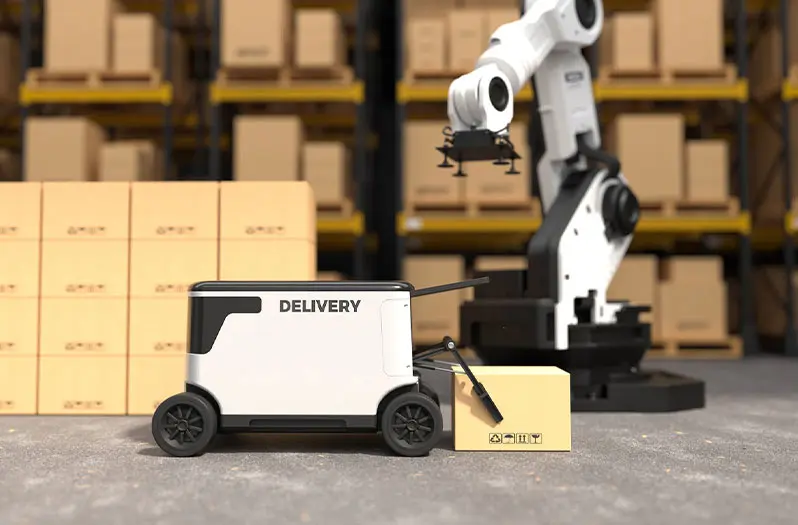
In high-intensity environments where every minute of downtime costs thousands, the fast-charging and high cycle life of our Na-Ion packs ensure that Automated Guided Vehicles stay in motion. Our BMS integrates seamlessly with fleet management software.

The robustness of sodium-ion chemistry makes it ideal for marine starting and auxiliary power. Its resistance to thermal runaway provides an extra layer of safety in confined industrial spaces.
The global industrial battery market is moving toward Circular Economy principles. Sodium-ion batteries are inherently more sustainable because sodium is thousands of times more abundant than lithium and can be sourced locally in most regions, reducing the carbon footprint of logistics. Commercial adoption is currently exploding in the EMEA and APAC regions, driven by ESG (Environmental, Social, and Governance) mandates.
At Lithmate, we utilize advanced Hard Carbon anodes and Prussian Blue analogues to enhance the energy density of our sodium cells. Currently, we have achieved energy densities of 140-160 Wh/kg, which is comparable to LiFePO4, effectively debunking the myth that Sodium-Ion is only for low-end applications. Our batteries are engineered for 3,000 to 5,000 cycles, ensuring a lifespan that matches or exceeds the forklift's operational life.
Sodium-ion (Na-ion) technology is not merely a "budget" version of lithium-ion; it is a sophisticated electrochemical system designed for specific industrial stresses. At the atomic level, sodium ions are larger than lithium ions, which historically presented challenges for "intercalation"—the process of ions moving into the electrodes. However, recent breakthroughs in hard carbon material science have allowed us to create electrodes with larger lattice spacing, enabling rapid ion movement and high power output.
For the logistics industry, this translates to "High Cranking Power" and "Sustained Discharge." A forklift powered by Lithmate Sodium-Ion cells experiences no voltage sag, even when reaching the end of its charge cycle. This is a critical advantage over lead-acid batteries, which slow down significantly once they reach 50% depth of discharge (DoD). Our Sodium-Ion packs can be safely discharged to 90% or even 100% without damaging the cell chemistry, effectively providing more usable energy per rated Ah.
Furthermore, the environmental impact is substantially lower. Sodium is found in sea salt and soda ash, making it one of the most geographically diverse and easily accessible elements on earth. By choosing Sodium-Ion, global enterprises are insulating themselves from the price volatility of the "Lithium Triangle" in South America. This is the definition of supply chain resilience—leveraging technology to minimize geopolitical risk.
At Lithmate, our R&D team (consisting of experts with 16+ years in the industry) focuses on the "Smart BMS." Our proprietary Battery Management System monitors each cell in real-time, balancing voltage and managing thermal loads. In a Sodium-ion context, this BMS is programmed with unique algorithms that account for the slightly different discharge curve of Na-ion vs. LFP, ensuring accurate "State of Charge" (SoC) readings for forklift operators, preventing unexpected downtime.
 Lithmate