Decoding the Technological Shift in Industrial Automation and Power Architecture
In the rapidly evolving landscape of Industrial 4.0, the demand for Autonomous Mobile Robots (AMR) and Automated Guided Vehicles (AGV) has surged exponentially. As factories transition to lights-out manufacturing and 24/7 automated logistics, the battery system has moved from a simple component to the strategic heartbeat of the machine. At Lithmate New Energy Co., Ltd., we understand that an AMR is only as efficient as its duty cycle, and that duty cycle is entirely dependent on battery chemistry, BMS intelligence, and thermal management.
The global AMR market is projected to reach unprecedented heights as labor shortages and the need for precision intralogistics drive adoption in e-commerce, automotive, and pharmaceutical sectors. However, the bottleneck remains "Energy Density vs. Charging Speed." Current industry standards are shifting away from traditional Lead-Acid to high-performance LiFePO4 (LFP) and emerging Sodium-Ion technologies. OEM partners now require modularity—batteries that can be swapped in seconds or charged opportunistically in minutes during station stops.
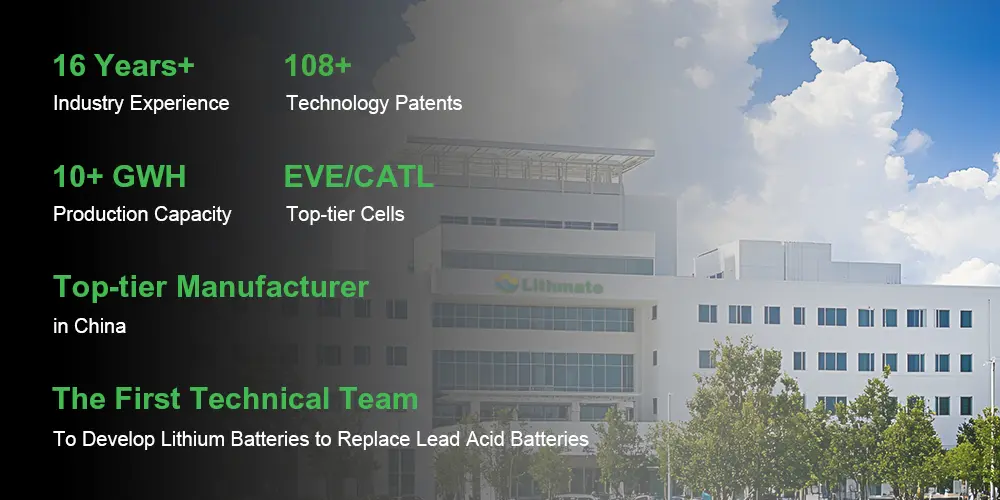
As a professional lithium battery manufacturer, our factory operates in full compliance with ISO 9001 standards, and all products meet multiple international safety certifications, including CE, UL, UN38.3, RoHS, and IEC. At Lithmate, we are committed to continuously advancing and improving lithium-ion battery pack technology.
Our factory is equipped with fully automated and semi-automated production lines, along with advanced battery testing equipment and R&D laboratories. This allows us to support the entire manufacturing process—from research and design to module assembly and final testing—with high efficiency and reliability.
Tailored Power Architectures for Diverse Industrial Environments
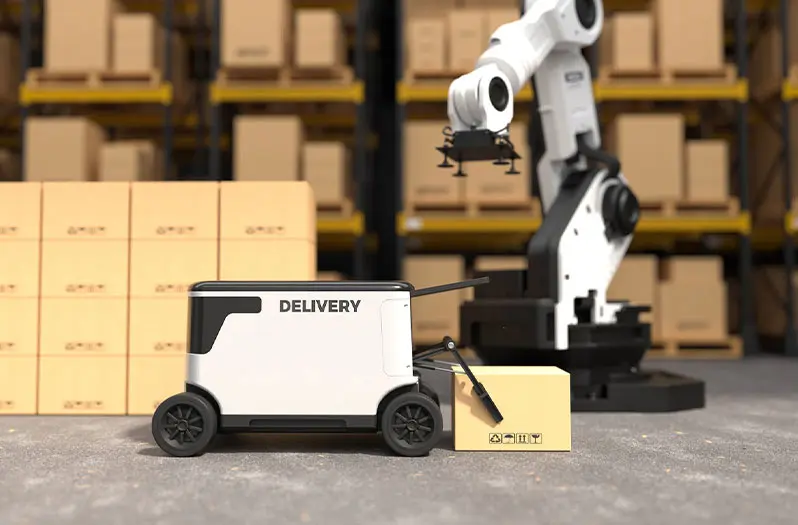
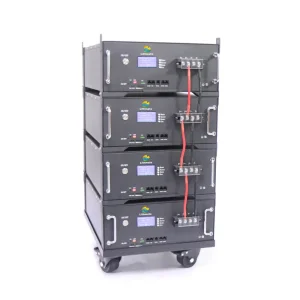
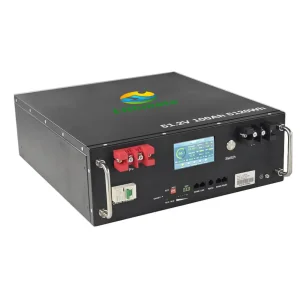
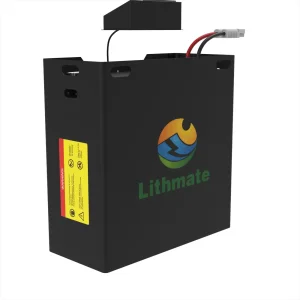
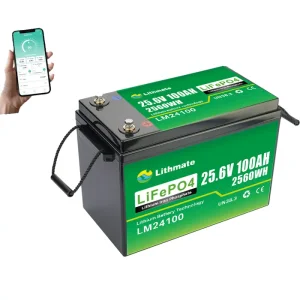
High-cycle LiFePO4 batteries designed for 24/7 sorting robots. Features CANbus/RS485 communication for real-time fleet management integration.
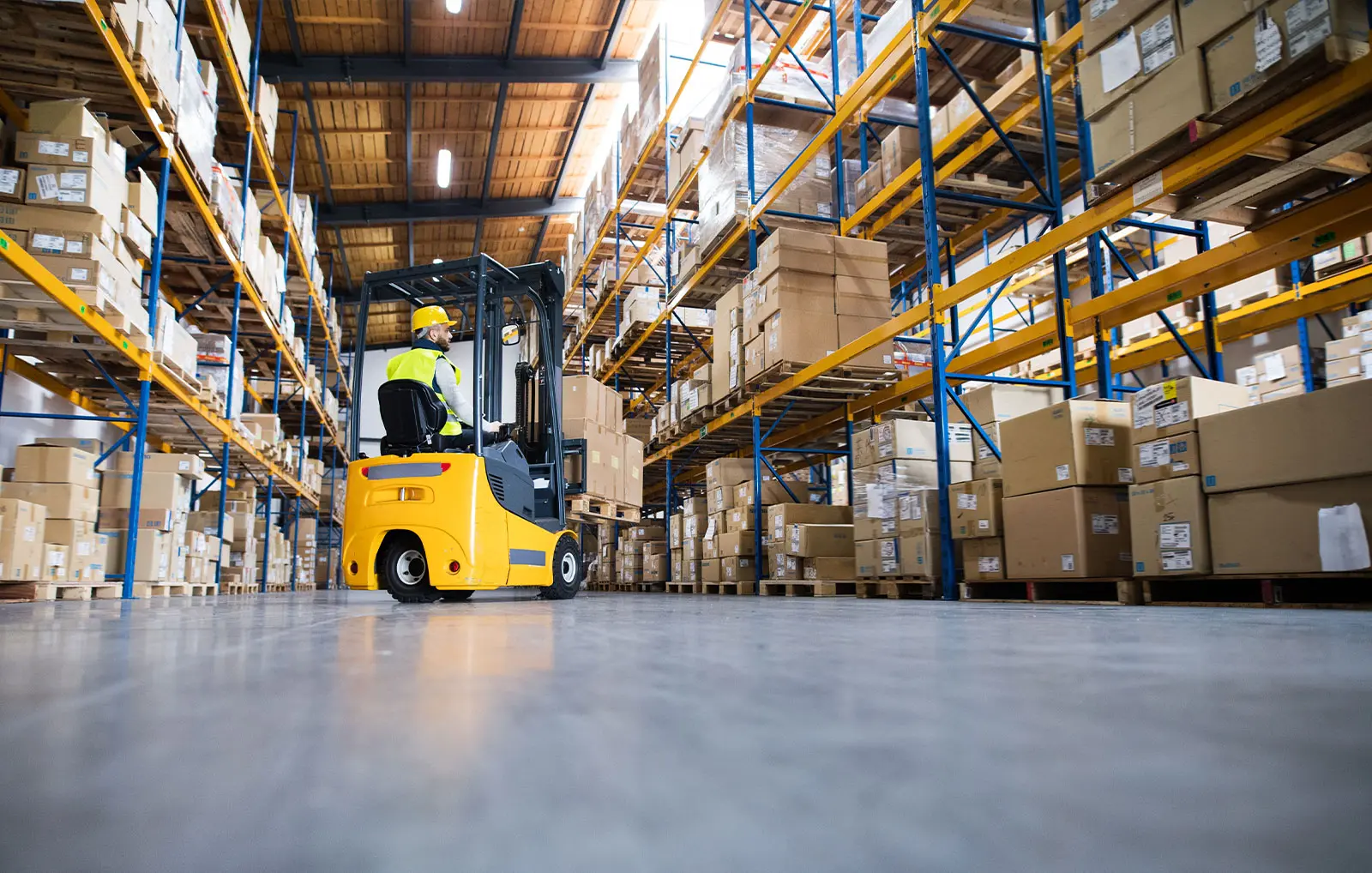
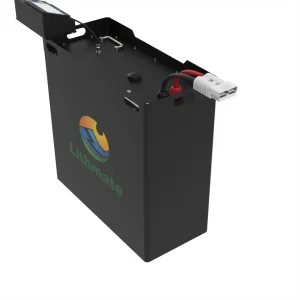
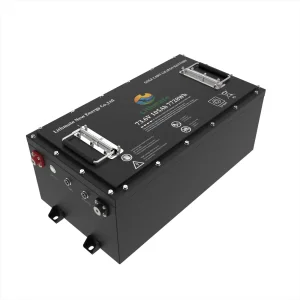
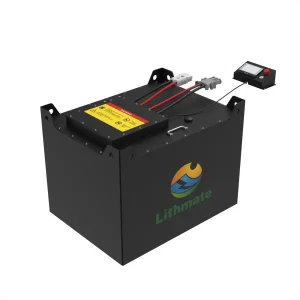
Powering electric forklifts and pallet jacks with high discharge rates. Lithmate solutions reduce maintenance downtime by 70% compared to lead-acid.
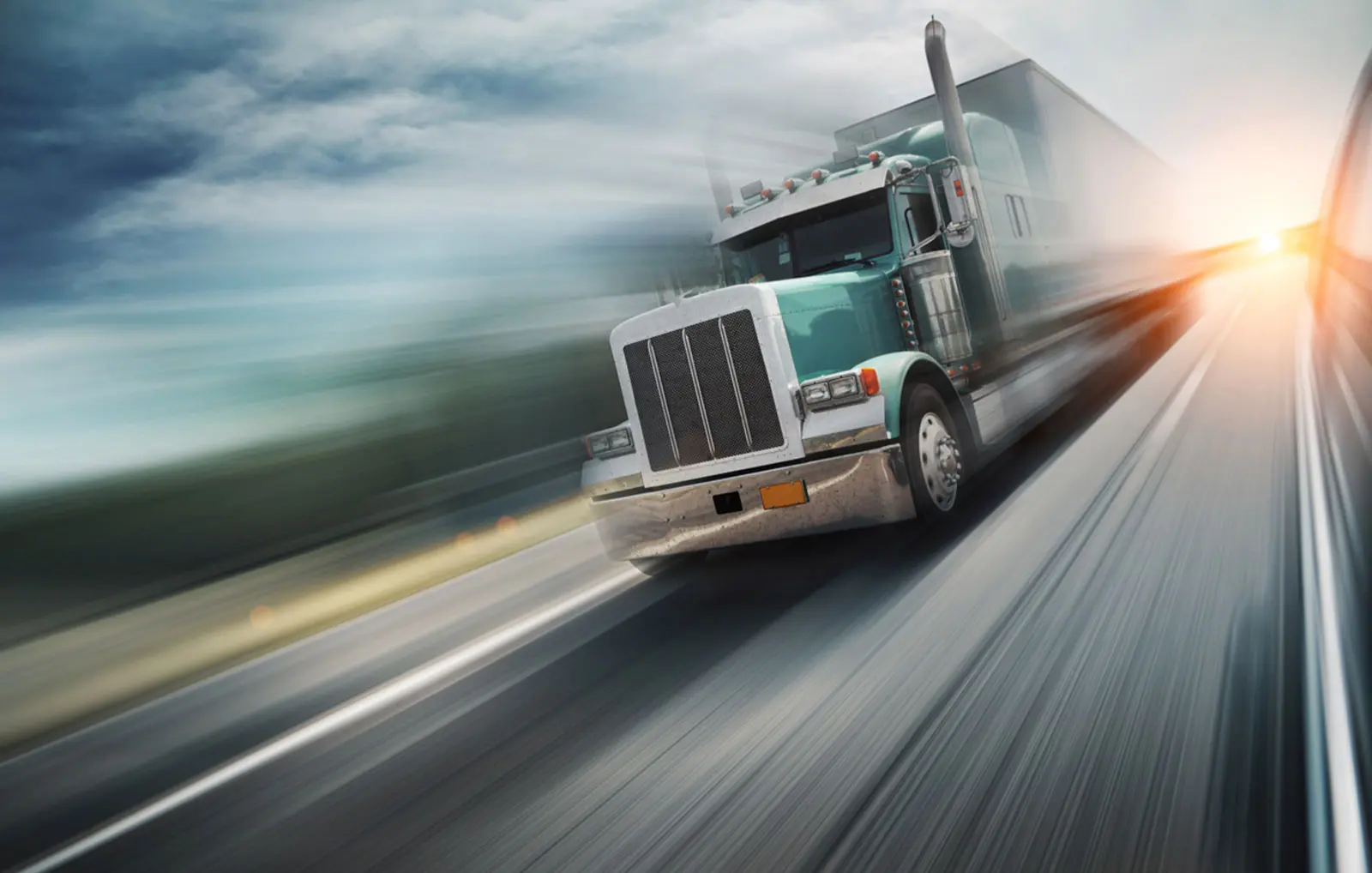
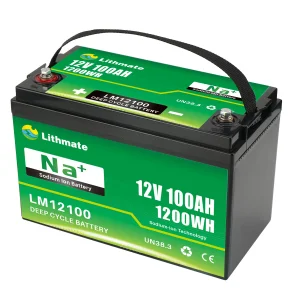
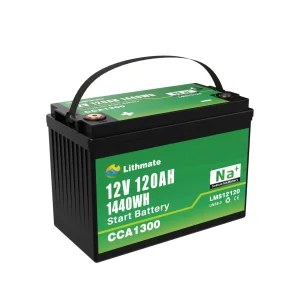
Leveraging Sodium-Ion technology to maintain optimal efficiency in extreme environments down to -40°C, where lithium typically fails.

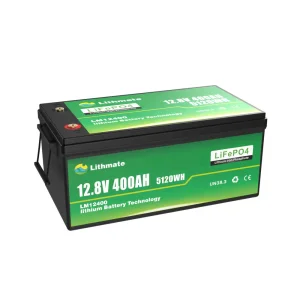
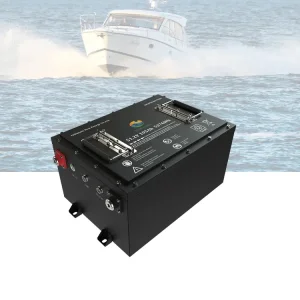
Durable 12V-96V solutions for electric boats and fishing vessels, engineered for high humidity and corrosive salt-spray environments.
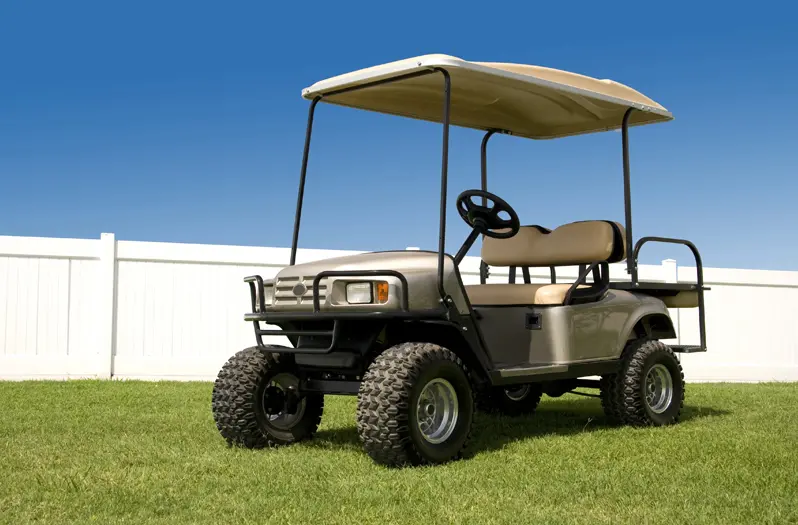
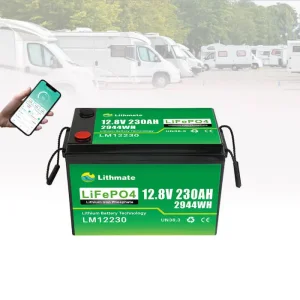
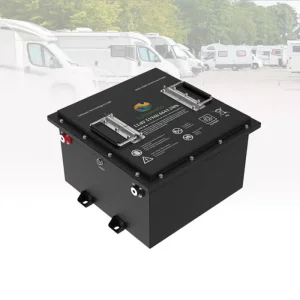
Custom 48V/72V LiFePO4 packs for leisure and utility vehicles, offering 10x the lifespan of traditional deep-cycle batteries.
The next decade of AMR battery technology will be defined by Solid-State conversion and AI-driven BMS. Lithmate is currently prototyping AI-integrated Battery Management Systems that predict cell degradation before it occurs, allowing for "Predictive Maintenance" in robotic fleets. Furthermore, our roadmap includes the full-scale integration of Sodium-Ion (Na-Ion) for budget-conscious and cold-climate applications, ensuring energy sovereignty and cost stability regardless of Lithium price volatility.
By 2026, our goal is to achieve an energy density of 250Wh/kg for industrial packs while maintaining the safety profile of LiFePO4.
Operating from Huizhou, the heart of the world’s battery cluster, Lithmate leverages an unparalleled ecosystem. Our proximity to cell giants like EVE and CATL ensures we receive A-grade, matched cells at preferential rates. China's supply chain resilience is not just about cost; it's about Efficiency and Speed-to-Market. We can move from a custom OEM design to a functional prototype in under 4 weeks—a feat that takes months elsewhere. Our integrated manufacturing—from PCB SMT lines to CNC casing—means we control every variable of the quality equation.
The Lithmate Standard for Global Industrial Safety
We stand behind our engineering with an industry-leading warranty, supported by a global service network for technical assistance.
UN38.3, MSDS, UL, IEC, and RoHS. We don't just follow standards; we help set them through our government-recognized Research Center.
3-4 weeks delivery window for standard OEM orders, with 24-hour on-call technical support for industrial partners.
Technical Insights for Engineers & Purchasing Managers
A: Safety and Cycle Life. LiFePO4 offers up to 6000 cycles and is chemically stable, preventing thermal runaway in confined warehouse spaces. NCM has higher density but lacks the longevity required for industrial ROI.
A: Our BMS supports multiple protocols including CAN (CANopen/J1939), RS485 (Modbus), and RS232, allowing the robot to monitor SoC, SoH, and temperature in real-time.
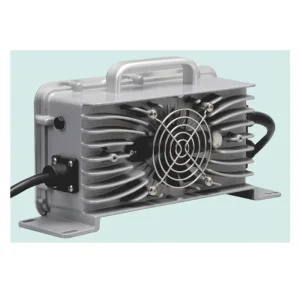
A: Yes. Lithmate batteries are engineered for high-rate fast charging, allowing AMRs to recharge 20% of their capacity in 15 minutes during idle periods without degrading the cells.
A: Sodium-ion excels in low-temperature discharge (-40°C) and is significantly safer during transport and accidental deep discharge compared to lithium-ion.
 Lithmate