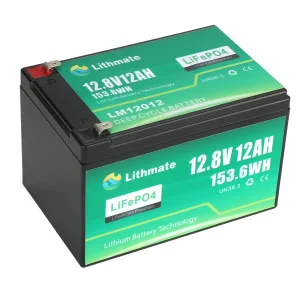
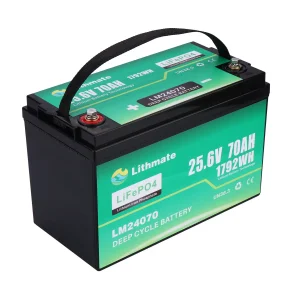
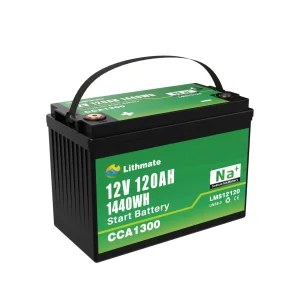
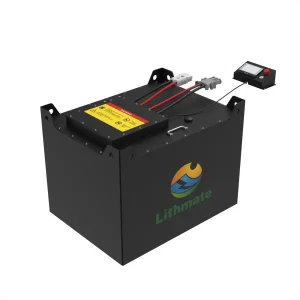
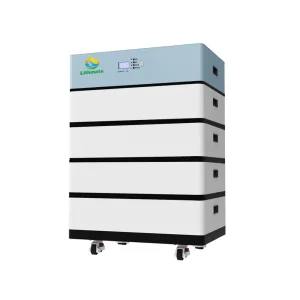
As a global OEM Lead Acid Replacement Forklift Battery Manufacturer & Supplier, Lithmate New Energy Co., Ltd. is at the forefront of the green energy revolution in material handling. For decades, Lead-Acid batteries were the industry standard, but the modern logistics landscape—characterized by 24/7 operations, AGV automation, and carbon neutrality goals—demands more. Our LiFePO4 (Lithium Iron Phosphate) and Sodium-Ion solutions provide a definitive "Information Gain" for procurement officers, offering a 40% reduction in Total Cost of Ownership (TCO) compared to traditional lead-acid systems.
In this comprehensive white paper, we explore why the transition to lithium is no longer an option but a strategic necessity for competitive enterprises. We delve into technological architectures, supply chain resilience, and localized compliance that define the Lithmate advantage.
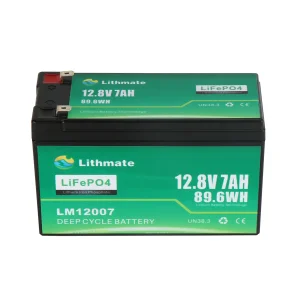
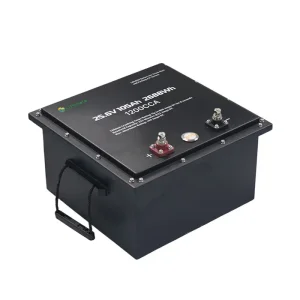
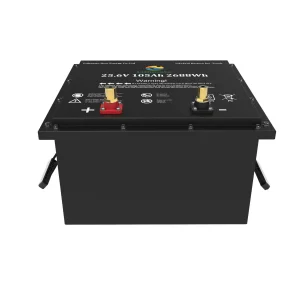
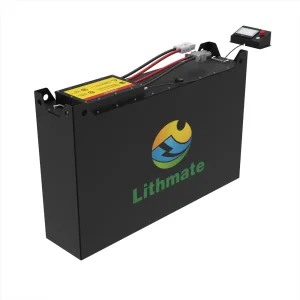
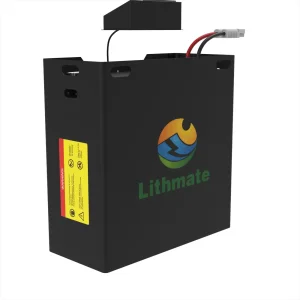
Our batteries are engineered as physical and electrical clones of standard lead-acid packs. No modifications to the forklift chassis are required, enabling immediate fleet upgrades with zero downtime.
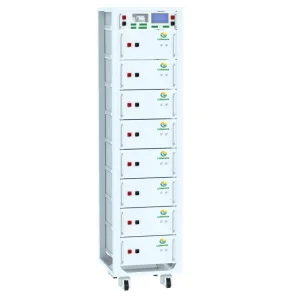
Leveraging AI-driven Battery Management Systems, our packs monitor cell health, thermal balance, and SOC (State of Charge) in real-time, preventing the common degradation issues found in lead-acid counterparts.
Eliminate acid spills, watering, and equalization charges. Our lithium solutions allow for opportunity charging during break times, effectively doubling operational uptime.
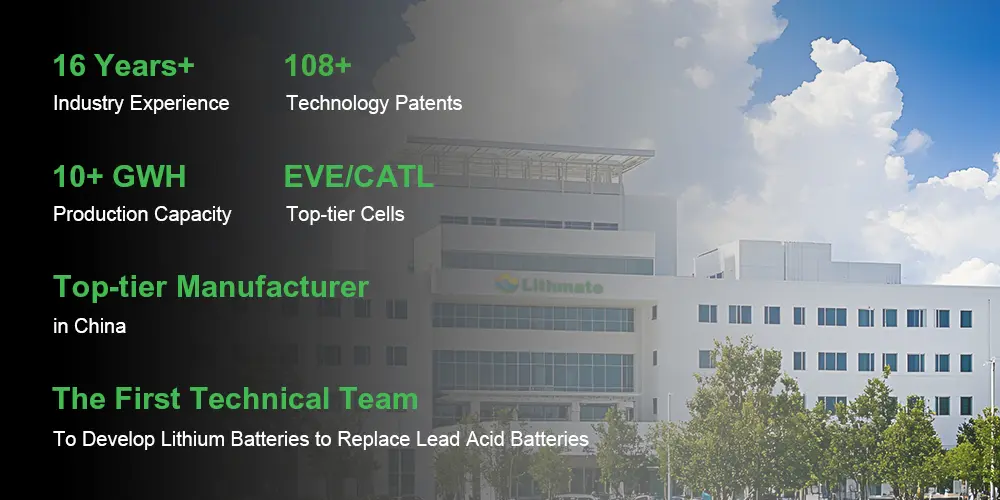
Manufacturing in China offers unparalleled access to the world's most advanced battery cell technology. At Lithmate, we utilize top-tier cells from EVE and CATL, ensuring that every OEM project benefits from the highest energy density and safety profiles available globally. Our 15,000+ sqm factory is not just an assembly line; it is a center of innovation where 16 years of industry experience meets high-speed automation.
As a professional lithium battery manufacturer, our factory operates in full compliance with ISO 9001 standards, and all products meet multiple international safety certifications, including CE, UL, UN38.3, RoHS, and IEC. At Lithmate, we are committed to continuously advancing and improving lithium-ion battery pack technology.
For global enterprises, the primary concern is often "Will this be compliant in my local region?". Lithmate addresses this through rigorous certification and localized engineering support. Whether it's the UL 2580 standard for the North American market or CE/EN standards for Europe, our engineering team ensures that every pack meets the legal and safety requirements of your jurisdiction.
Our batteries undergo rigorous puncture, thermal abuse, and electrical short-circuit testing to ensure safe operation in heavy-duty US warehouses.
Strict adherence to environmental and electrical safety directives, ensuring seamless imports and workplace safety compliance across EU member states.
Every shipment is backed by MSDS and UN38.3 certification, guaranteeing safe air and sea freight transition to your local port.
Traditional lead-acid batteries lose up to 50% capacity in freezing conditions. Lithmate's specialized low-temperature LiFePO4 and Sodium-Ion batteries maintain 90%+ efficiency at -20°C, equipped with internal heaters for seamless performance.
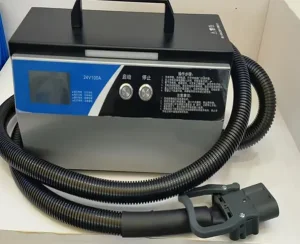
In high-throughput environments, there is no time for 8-hour charging cycles. Our "Opportunity Charging" allows batteries to be topped up during a 15-minute coffee break, providing enough energy for the next 2 hours of operation.
Unlike lead-acid, lithium batteries do not off-gas. This makes them ideal for pharmaceutical, food-grade, and high-tech cleanrooms where air quality is strictly controlled.
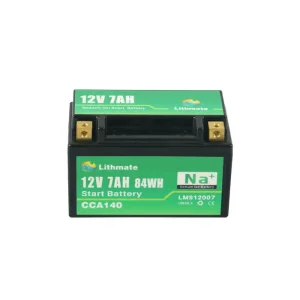
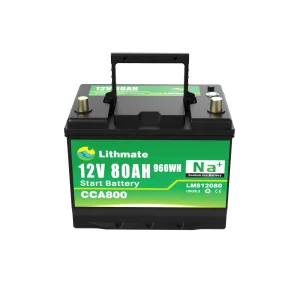
The industry is moving beyond just "lithium." The emergence of Sodium-Ion starting batteries represents a significant shift. Sodium is more abundant, cost-effective, and performs exceptionally well in extreme cold (-40°C). As a leading OEM manufacturer, Lithmate is already integrating Sodium-Ion technology into forklift starter systems and LSV (Low-Speed Vehicle) platforms, offering a hedge against lithium price volatility while maintaining high performance.
Furthermore, Telematics and Cloud-based BMS monitoring are becoming standard. Soon, warehouse managers will be able to monitor the health and location of every battery in their fleet via a smartphone app, predicting maintenance needs before they lead to downtime.





 Lithmate