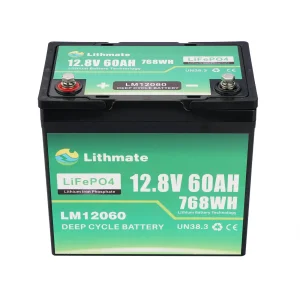
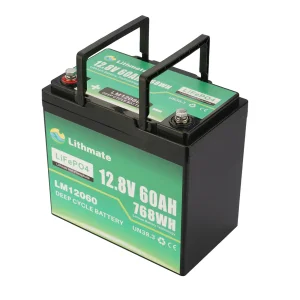
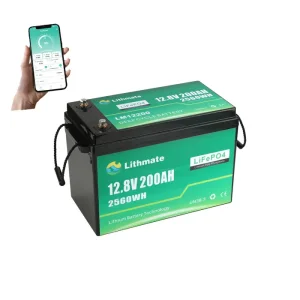
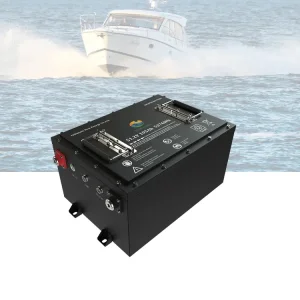
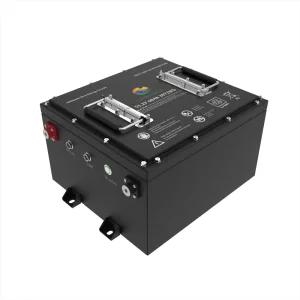
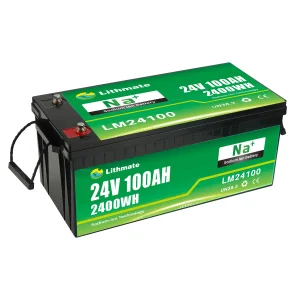
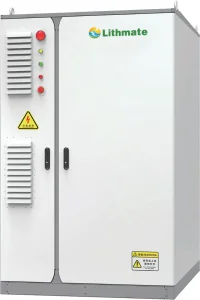
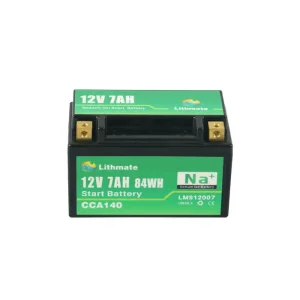
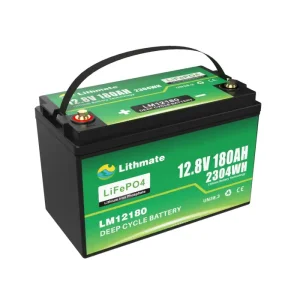
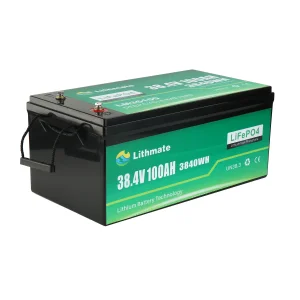
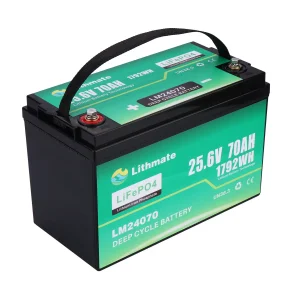
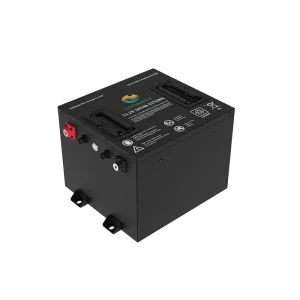
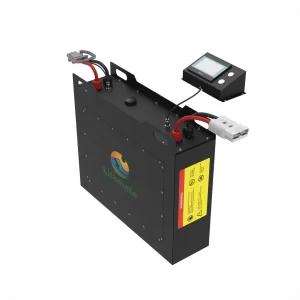
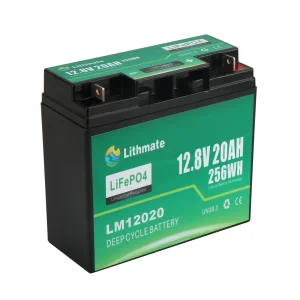
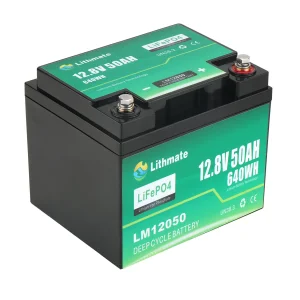
Explore our premium custom battery products configured for high discharge rates, deep cycle durability, and extreme environments.
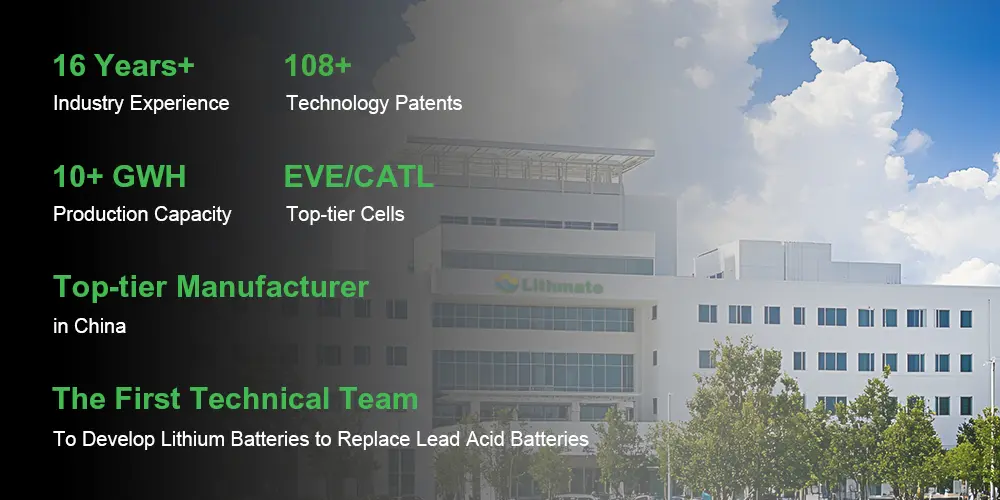
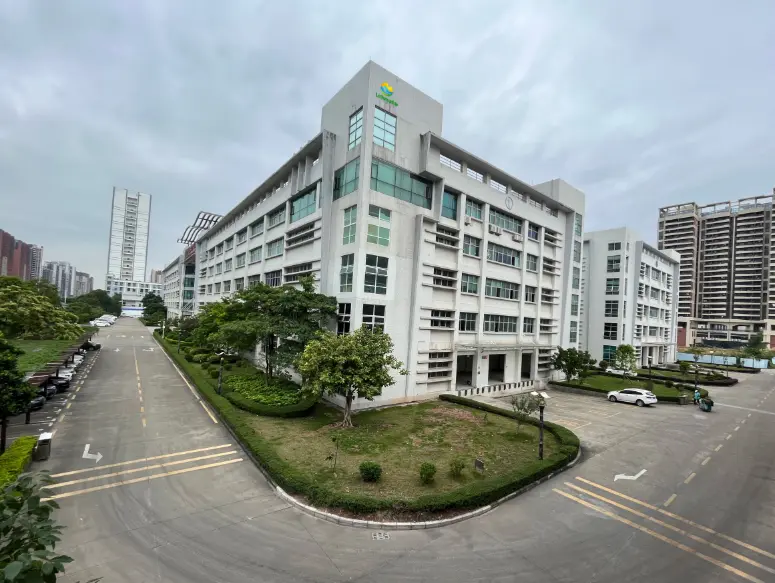
Lithmate, Your Trusted Power Partner
As a professional lithium battery manufacturer, our factory operates in full compliance with ISO 9001 standards. All products meet multiple international safety certifications, including CE, UL, UN38.3, RoHS, and IEC. At Lithmate, we are committed to continuously advancing and improving lithium-ion battery pack technology.
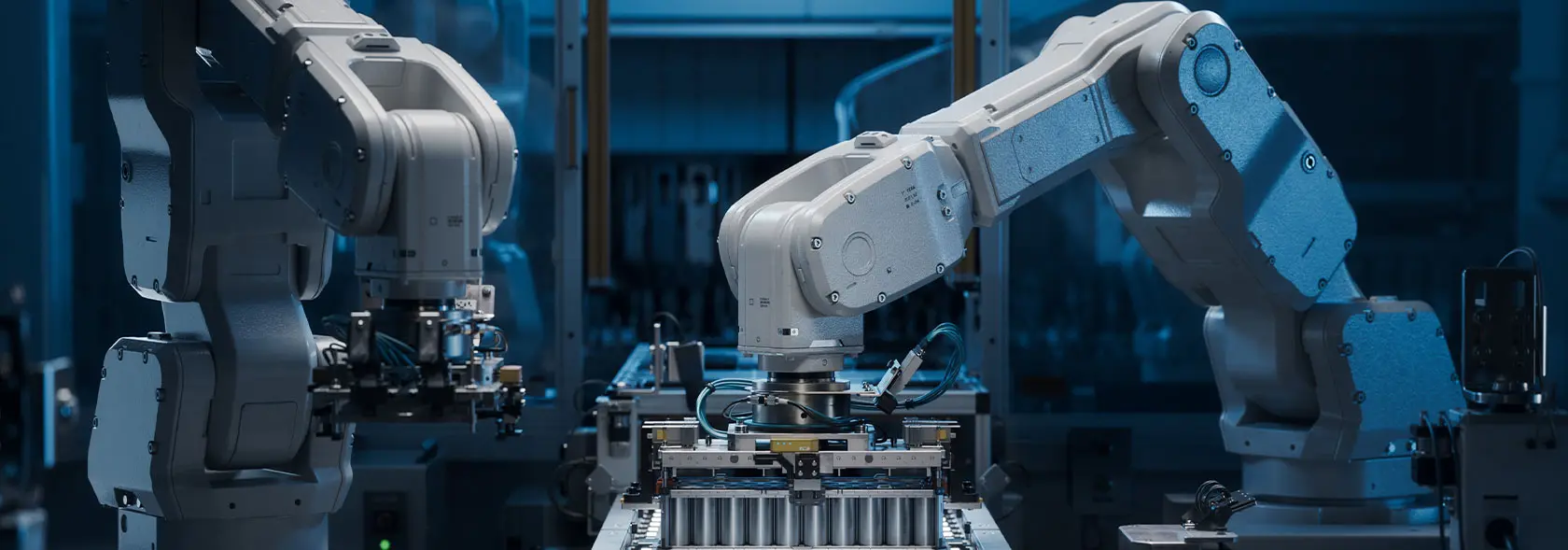
Our factory is equipped with fully automated and semi-automated production lines, along with advanced battery testing equipment and R&D laboratories. This allows us to support the entire manufacturing process—from research and design to module assembly and final testing—with high efficiency and reliability.
Certified to meet strict international safety and transportation standards, ensuring safe shipping and long-term operating parameters.
Continuously upgrading and innovating technologies. We specialize in high-voltage packs and smart active cooling systems.
Lithmate has the capability and logistical networks to reliably supply and support commercial clients across the global market.
Customize your own brand battery packs with structural integrations, smart BMS software profiles, and complete thermal systems.
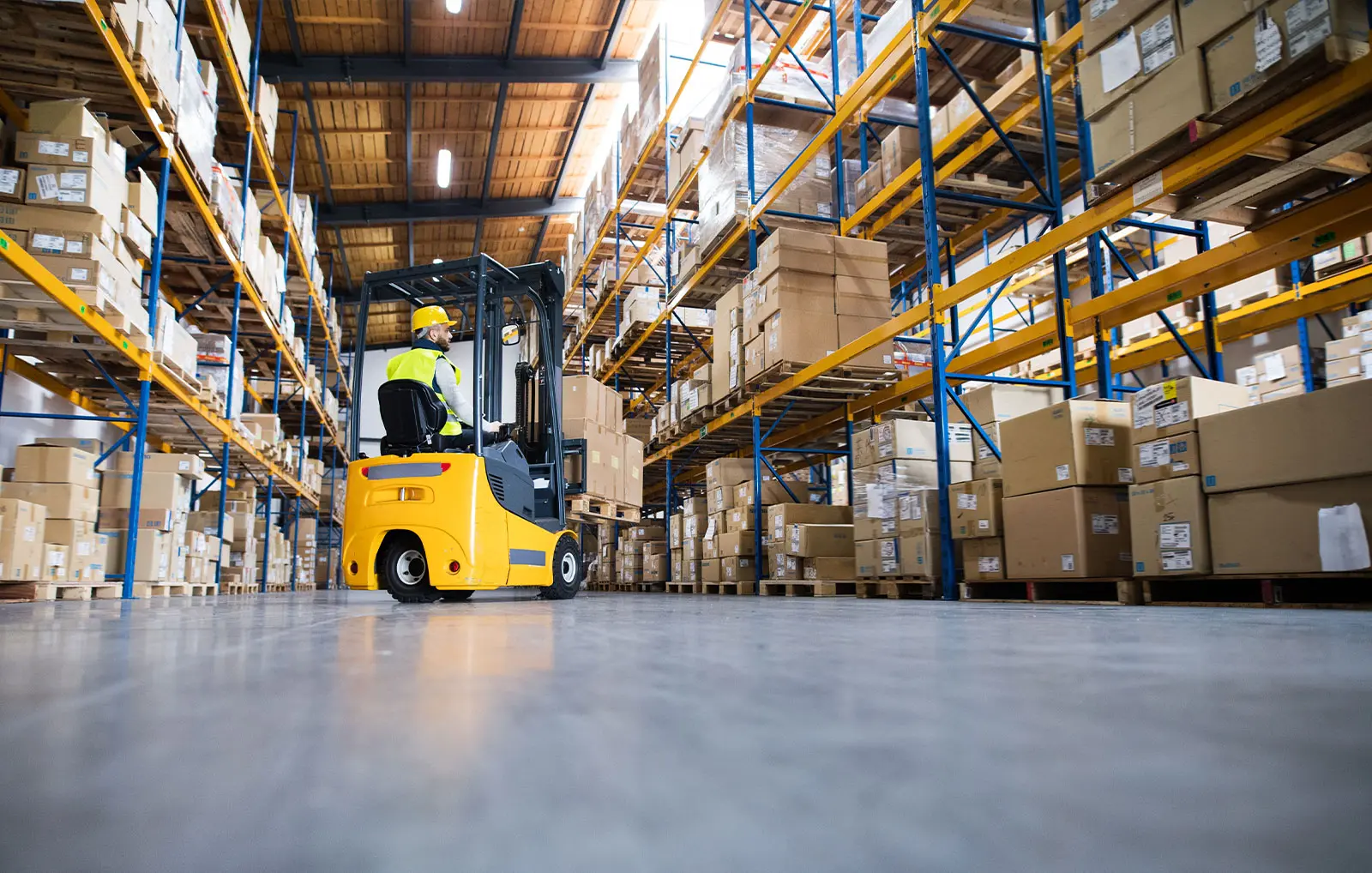
Modern maritime ports and inland freight hubs are undergoing a rapid transformation to meet zero-emission mandates. Heavy equipment like reach stackers, empty container handlers, and straddle carriers operate under intense duty cycles where uptime and rapid high-power cycles are non-negotiable.
Historically dominated by diesel engines, these heavy lifters require sustained power outputs and extreme torque curves. Moving to a lithium-ion or sodium-ion alternative requires batteries to maintain safe working temperatures, withstand deep discharges, and handle continuous vibrations. Our high-voltage battery configurations offer the structural resilience and continuous C-rate output required to match the capabilities of traditional combustion engines, without the costly fuel consumption and localized emissions.
By integrating Tier-1 LFP chemistry with proprietary multi-tier Battery Management Systems (BMS), Lithmate provides stable voltage under high peak load demands (like hoist acceleration and heavy counter-balance tilts), guaranteeing smooth performance.
Heavy machinery operates in diverse climatic zones. Our thermal and structural design mitigates environmental risks across global hubs.
Sub-zero temperatures drastically reduce battery efficiency and threaten cell plating. Lithmate batteries utilize integrated self-heating elements and advanced insulated casing to allow normal operations down to -30°C. For extreme cold regions, our sodium-ion starting and motive batteries offer discharge reliability at temperatures as low as -40°C, ensuring port operations remain uninterrupted.
High ambient heat combined with solar radiation can quickly cause battery thermal runaways. We integrate active liquid cooling configurations and heat-sinking structures to dissipate thermal energy. Intelligent sensors monitor cell-level temperatures, dynamically adjusting coolant flow to keep the battery within optimal operational windows, even when working under intense equatorial conditions.
Coastal and maritime environments expose equipment to corrosive salt air and humidity. Our structural engineering utilizes IP67 and IP69K-rated enclosures to completely seal the cells and critical BMS controls from external corrosive entry. Marine-grade structural brackets prevent electrolytic wear and safeguard internal electrical contacts.
Standard design baselines for container handling and heavy cargo vehicle battery replacements.
| Specification Metric | Standard LFP System | Heavy-Duty High-Voltage LFP | Low-Temp Sodium-Ion System |
|---|---|---|---|
| Nominal Voltage | 51.2 V / 96 V | 350 V – 750 V | 12 V – 48 V |
| Energy Density (Pack) | 130 - 150 Wh/kg | 140 - 160 Wh/kg | 85 - 110 Wh/kg |
| Cycle Life (80% DoD) | ≥ 6,000 cycles | ≥ 5,000 cycles | ≥ 3,500 cycles |
| Operating Temp Range | -20°C to 55°C | -25°C to 60°C | -40°C to 55°C |
| Charging Protocol | CC / CV (0.5C - 1C) | Opportunity Charging (up to 2C) | Fast Charge (up to 3C) |
Our commitment to long-term energy storage technology ensures our partners stay ahead of technical obsolescence.
Establishing ultra-reliable, cobalt-free chemistry with a cycle life exceeding 6000 cycles. Focus is placed on structural pack strength to isolate individual cells from vertical shock loads during container drops and rough terrain transport.
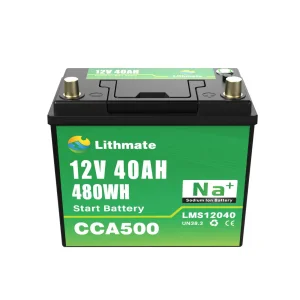
Commercializing Sodium-Ion chemistries for industrial start-stop and utility support. Sodium-Ion provides exceptional cold-temperature operation down to -40°C and avoids dependency on lithium pricing spikes, stabilizing manufacturing costs.
Moving industrial vehicles toward 800V architectures to decrease current load, reduce cabling heat losses, and allow megawatt-level opportunity charging. Planning early solid-state electrolyte integration for maximum thermal safety.

Why sourcing from Lithmate’s advanced factories guarantees reliable lead times, top-tier performance, and cost benefits.
We source premium prismatic cells directly from CATL and EVE. This integration guarantees consistent cell matching, uniform internal resistance, and predictable thermal output across all assembled high-voltage battery arrays.
Our production facilities utilize automated laser-welding robotics to join copper and aluminum busbars. Consistent busbar connections minimize voltage drops across series connections and eliminate risk points caused by manual welding errors.
Every industrial battery pack undergoes rigorous testing, including temperature-monitored high-rate cycling, insulation resistance tests, and multi-hour vibration testing. These tests ensure the product withstands the demands of heavy container movement.
Lithmate builds reliable energy packs for all types of industrial, marine, and commercial transport systems.
Safety and compliance are key in shipping and operating high-energy battery packs. Lithmate ensures all battery configurations comply with international industrial rules.
Long-term structural coverage for performance and capacity retention.
Direct line to technical staff for BMS tuning and field troubleshooting.
Streamlined manufacturing timelines and global shipping coordination.
Fully compliant with UL2580, CE, UN38.3, IEC62619, and RoHS.





Critical engineering and deployment answers for port fleet managers and industrial procurement agents.
Explore our additional customized options for marine, logistics, starting, and industrial applications.
 Lithmate